

WUACD Secretariat continues to expand its international engagement and community service initiatives through the implementation of WUACD IMPACT, a collaborative program conducted in partnership with Shizuoka University, Japan. Scheduled for 2026, the program brings together 16 selected students from Universitas Airlangga and four lecturers from Universiti Teknologi Malaysia to participate in an intensive academic and community-based learning experience centered on disaster resilience, intercultural exchange, and sustainable development.
The initiative is rooted in the growing urgency to strengthen disaster preparedness capacities, particularly in Indonesia which lies along the Pacific Ring of Fire, as well as Malaysia that additionally experience tropical rainforest climates with heavy, seasonal monsoon rains, which then because of this shared similar climate, both nations frequently face recurring natural hazards such as earthquakes, monsoon flooding, landslides, and seasonal forest fires (haze). By situating the program in Shizuoka Prefecture, one of Japan’s most disaster-prone regions, participants were provided with a unique opportunity to observe and learn directly from a country widely recognized for its advanced disaster risk management systems. Through exposure to early warning technologies, community-based preparedness practices, and resilient infrastructure, participants were expected to gain practical insights that can be adapted within Indonesian contexts.
Adopting a participant-centered and experiential learning approach, WUACD IMPACT is structured around four main focus areas: education, health, environment, and community economic empowerment. Each focus area was translated into concrete, community-oriented activities that emphasize both knowledge exchange and social impact.
In the field of education, participants had conducted cultural introduction programs such as the “Mini Indonesia Fair” at Salesio High School, where Japanese students are invited to explore Indonesia’s rich cultural heritage through interactive exhibitions, performances, and traditional showcases. Additional educational activities include participatory workshops such as the “Picture-in Show Workshop,” which utilizes visual storytelling to foster cross-cultural dialogue, particularly among youth and local communities.
From a social and humanitarian perspective, the program included volunteer-based initiatives aimed at strengthening inclusivity and empathy. Students will provide basic translation assistance for elderly residents in Shizuoka, helping to bridge communication gaps while fostering meaningful interpersonal connections. Complementing this, health-focused activities such as emotional regulation programs for children are designed to promote mental well-being and create safe, supportive spaces for self-expression.
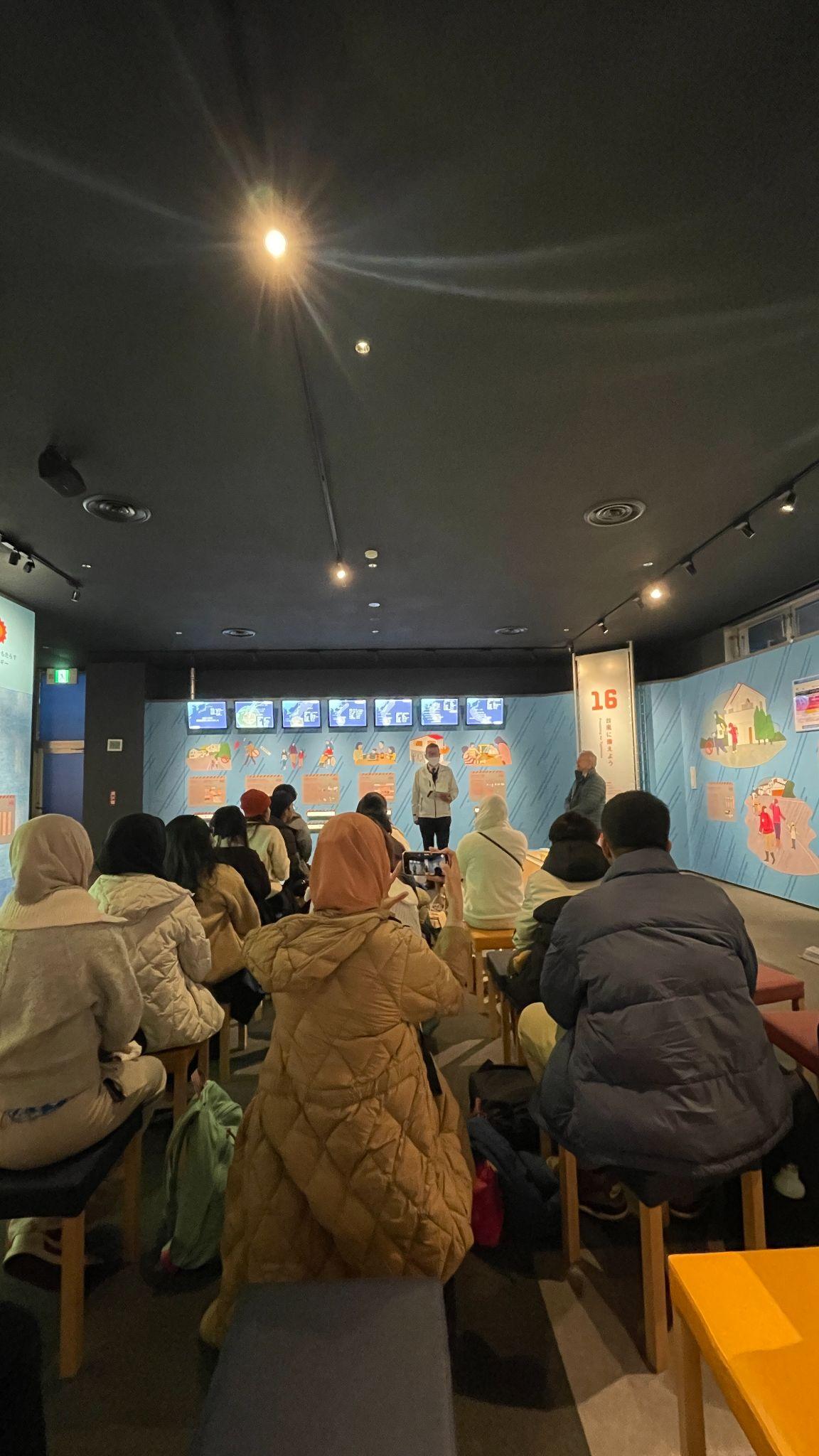
Environmental sustainability also forms a key pillar of the program. Participants were being introduced to circular economy practices through demonstrations of organic waste conversion into fish feed. In addition, collaborative environmental volunteering activities, such as pine needle collection in public spaces, were conducted alongside students from Shizuoka University. These initiatives not only contribute to local environmental maintenance but also serve as platforms for intercultural collaboration and shared environmental responsibility.
A significant component of the program lies in its research-based approach to disaster preparedness. Participants were being engaged directly with local residents through structured interviews to explore community-level disaster prevention practices, with particular attention to vulnerable groups such as the elderly. These field-based insights are expected to enrich participants’ understanding of how social dynamics, local wisdom, and community cohesion contribute to resilience in disaster-prone environments. Crucially, this allows participants to synthesize these field observations with their respective backgrounds in education, health, environmental sciences, and economics, fostering a multidisciplinary approach to global disaster risk management.
Furthermore, the program integrates elements of cultural diplomacy and economic empowerment by introducing Indonesian batik as a recognized cultural heritage. Through interactive sessions, participants will share the philosophical meaning and artistic value of batik, fostering cross-cultural appreciation while promoting Indonesia’s creative industries on an international stage.
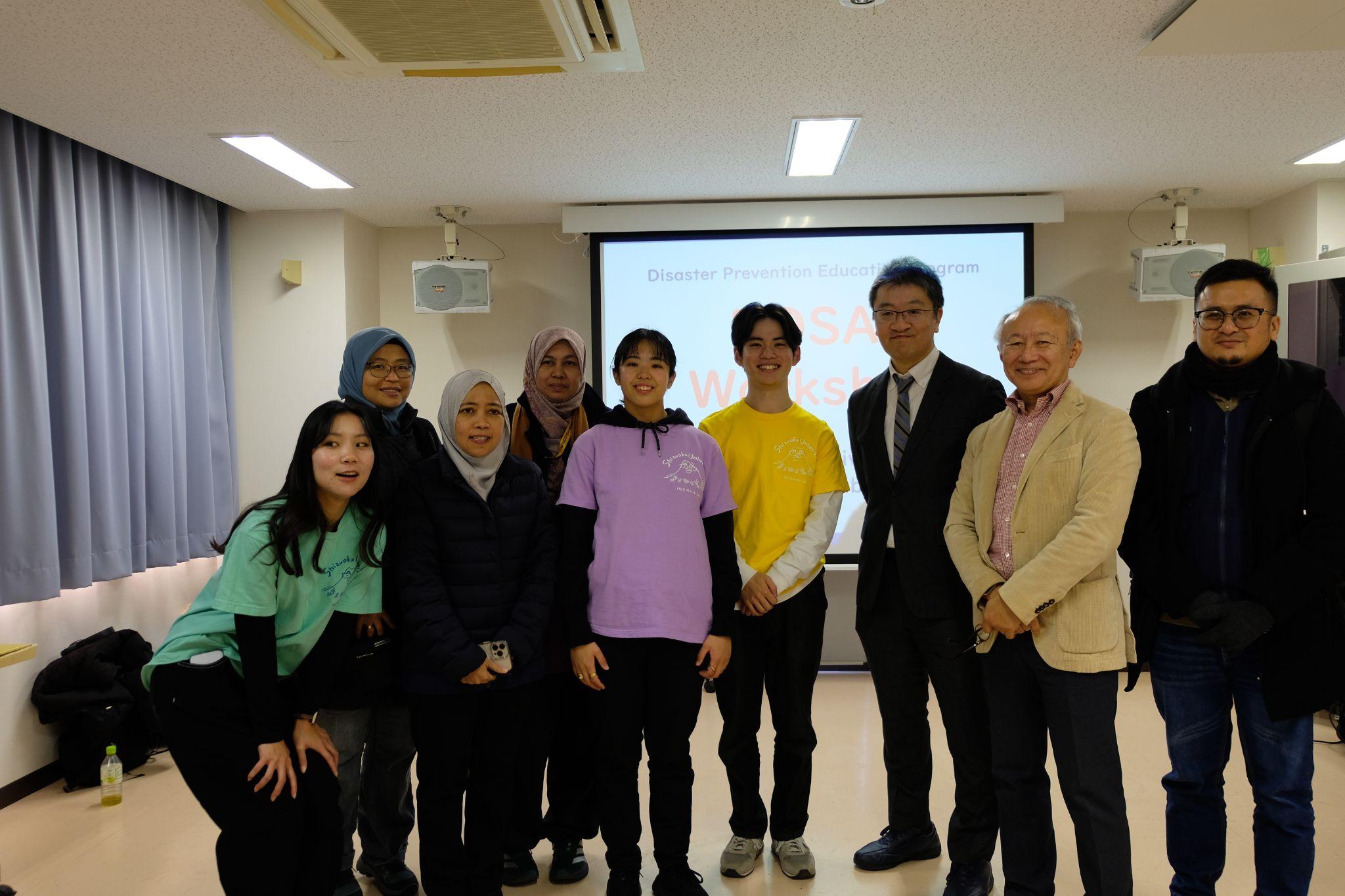
Aligned with the Sustainable Development Goals (SDGs), particularly SDG 4 (quality education) and SDG 17 (Partnerships for the Goals), WUACD Impact’s commitment to delivering transformative education that extends beyond the classroom. The program emphasizes the development of global competence, critical thinking, and social responsibility, equipping students with the skills necessary to address complex global challenges.
Ultimately, WUACD IMPACT is expected to generate long-term impact, not only by enhancing students’ disaster literacy and intercultural understanding, but also by strengthening institutional collaboration between Universitas Airlangga, Shizuoka University, Universiti Teknologi Malaysia, and local communities in Japan. Through this initiative, WUACD reaffirms its role as a globally engaged institution committed to fostering resilient, informed, and socially responsible future leaders.
0 Comments