
Kamikatsu is a village in the mountains of Japan, known for its commitment to zero-waste efforts. Since becoming a pioneer of the zero waste movement in 2003, Kamikatsu has been dedicated to sustainable living for over 20 years. This continued commitment and effort have inspired students from Universitas Airlangga to participate in the WUACD International Community Development program to experience and learn from Kamikatsu’s journey toward reducing waste and living sustainably.
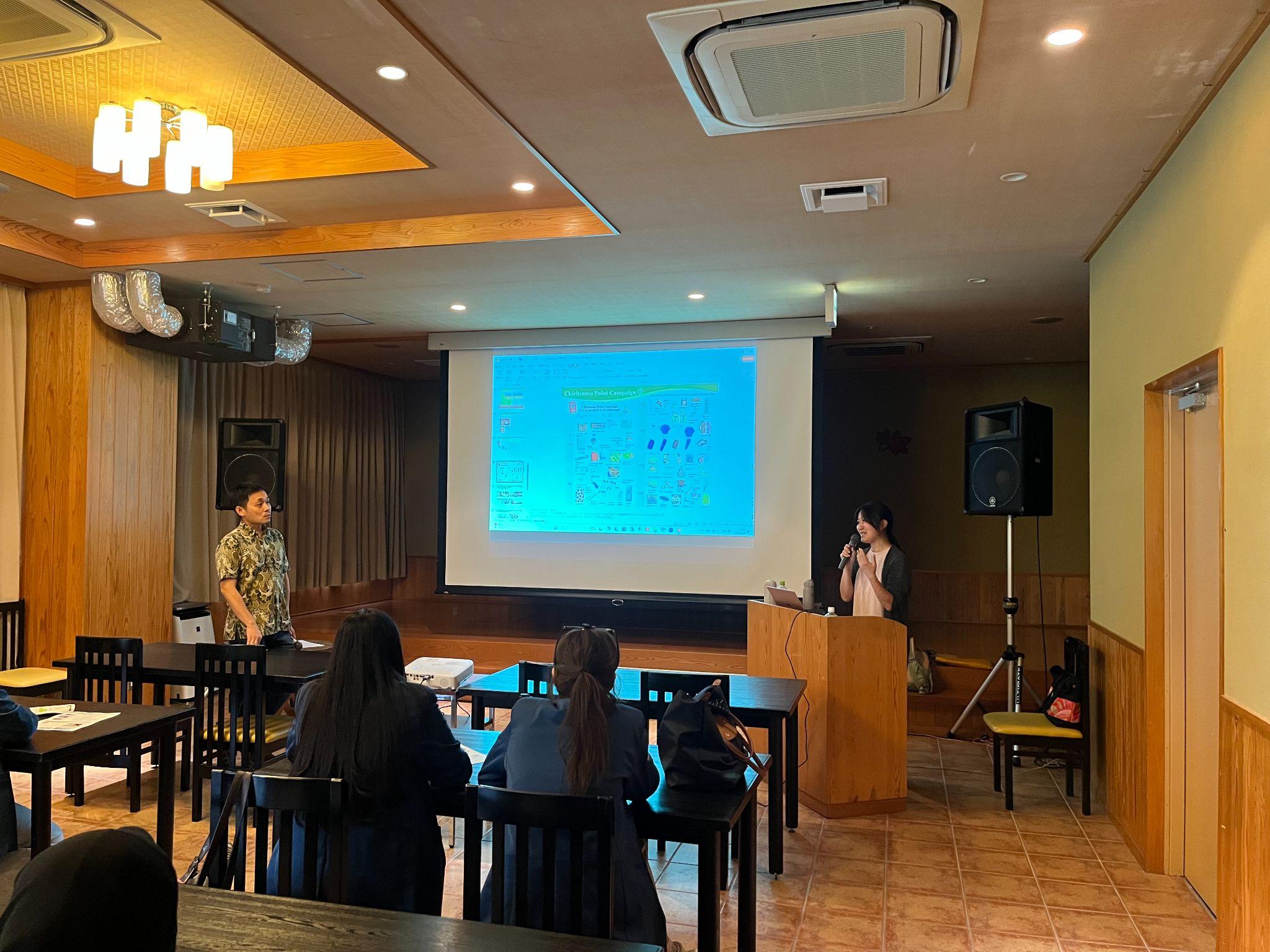
On the first day of the program, before heading to the Kamikatsu Zero Waste Center, the students were given an introduction to the concept of zero waste and conducted interviews with officials from Kamikatsu City Hall. Through these introductions and the interviews, the students discovered that there are no shortcuts to achieving zero waste. It requires contributions and cooperation from the local government and residents through consistent waste reduction. The local government recognized that educating the public is key to the program’s success. Therefore, in efforts to achieve zero waste, the officials conduct visits to each household to share helpful information and ensure everyone is on board. Because of the dedication of both local government and residents, Kamikatsu has successfully transformed its waste management practices.
Before Kamikatsu became an established zero-waste city, the community was dependent on open burning and incinerators. Currently, they take full responsibility for managing their waste by transporting it to the designated waste collection center. The waste collection center focuses on accepting inorganic waste and encourages all local residents to participate by sorting their household items into 45 different categories. To help keep everything organized, it is important that items like plastic bottles, cans, paper, and even product labels are clean and dry before being dropped off. For organic waste, the residents received great support, with machines subsidized by the local government, which allows residents to compost at home.
However, the officials in Kamikatsu emphasized that zero waste is not just about handling waste effectively, but also about preventing it from being created in the first place. Transitioning to a zero-waste lifestyle means focusing on reducing and avoiding wastefulness. While sorting and recycling help with waste that has already been generated, these actions can inspire positive changes in how people consume, ultimately leading to less waste overall.
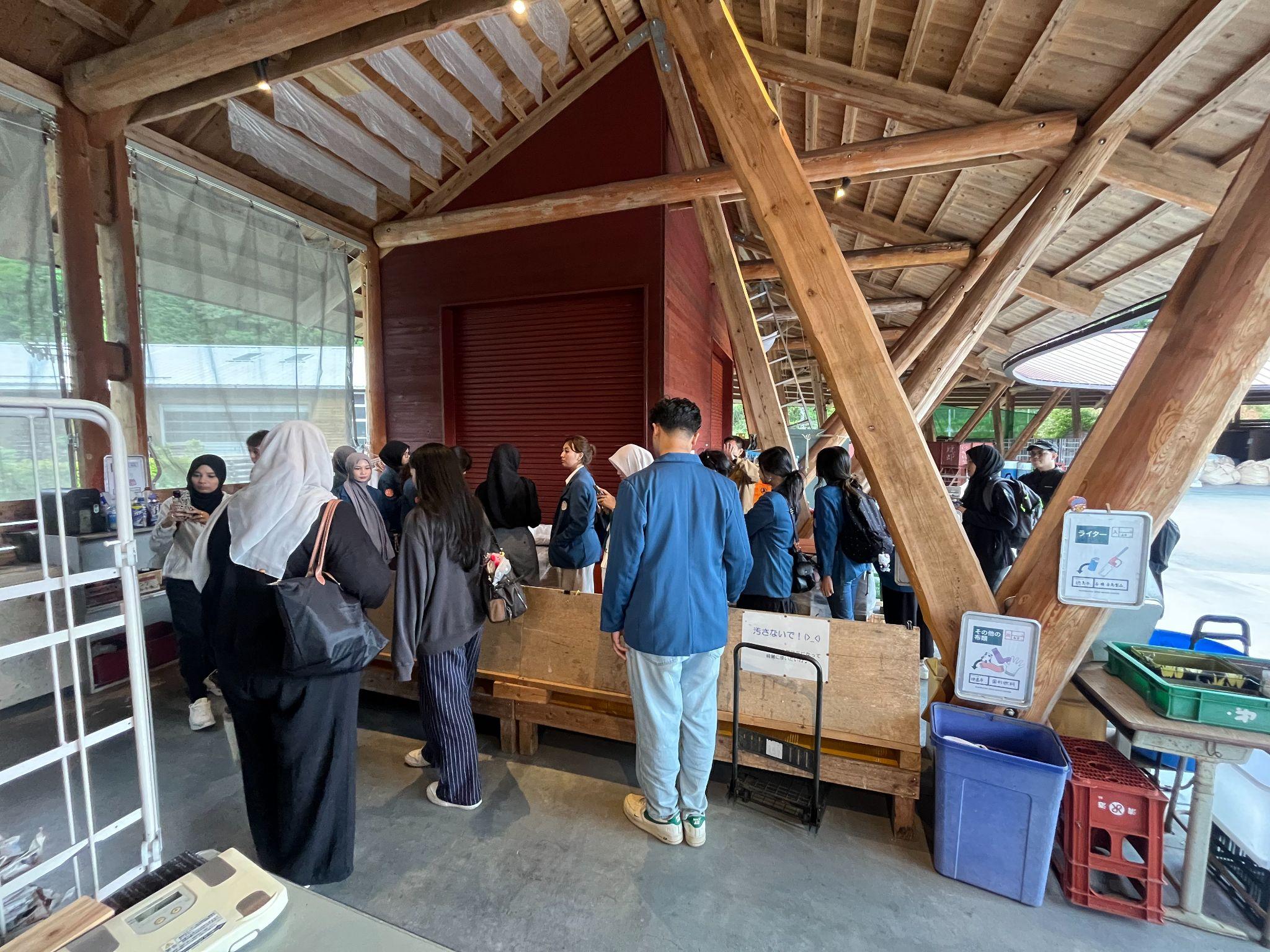
After learning about the concept of zero waste, the students had a chance to visit the Zero Waste Center. At the Zero Waste Center, students observed the waste sorting process that local residents typically carry out daily. The sorting process is divided into five main categories: paper, plastic, metal, glass, and general waste, which are then sorted more specifically within each category for further waste management. The center also includes complementary initiatives such as the Kuru-Kuru Store and the Kuru-Kuru Center. These places encourage residents to swap items they no longer need and turn used textiles into beautiful handicrafts. As a result, Kamikatsu has achieved a recycling rate of up to 80%, which is significantly higher than the national average in Japan of 20%.
Despite all the established efforts made by communities in Kamikatsu in supporting the achievement of zero waste, there are still some challenges to address. Certain types of waste, like rubber, sanitary products, and tissues, cannot yet be recycled. In response, Kamikatsu has set a new target for 2030 and is advocating for producers to create more recyclable and biodegradable products.
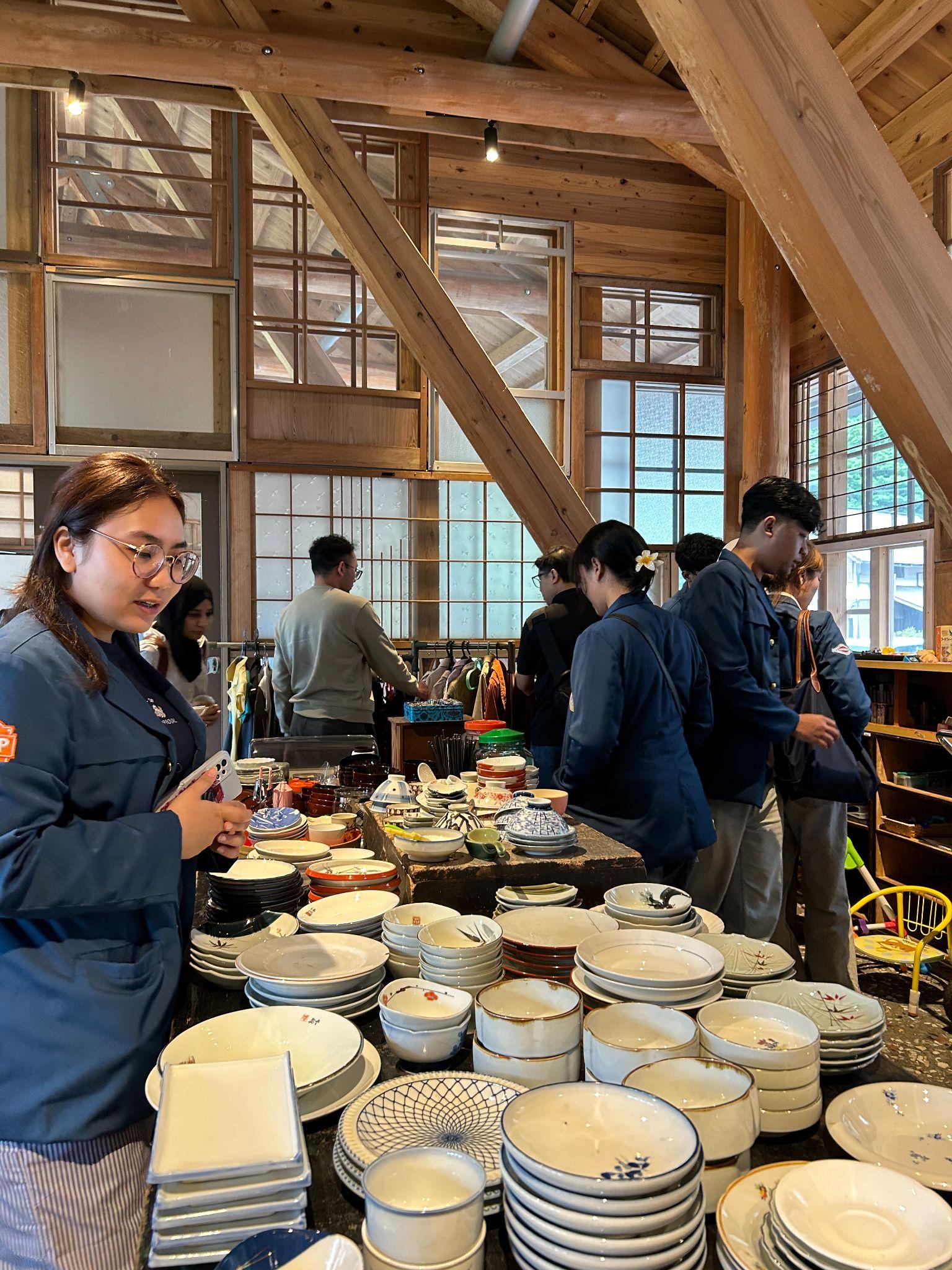
Through these activities, students had the opportunity to engage with local governments’ efforts and learn about how residents can adopt sustainable lifestyles by reducing waste. Kamikatsu stands out as a great example of how to implement Sustainable Development Goals (SDG) 12 (responsible consumption and production), SDG 13 (climate action), and SDG 15 (life on land) into action. With a focus on community involvement and innovative local governance for zero waste, Kamikatsu is not just about a waste policy, but it’s a social change that views waste as a resource instead of a burden. It serves as an inspiring model for making a positive impact on the global community, including Indonesia, as the students’ origin country.
0 Comments