
As one of the WUACD featured initiatives, WUACD IMPACT aims to contribute more across communities, globally. This initiative involves collaboration with international universities and institutions, particularly through mobility programs. From the 27th of January to the 5th of February 2026, the WUACD facilitated a collaboration between Universitas Airlangga (Indonesia), Universiti Teknologi Malaysia (Malaysia), and Shizuoka University (Japan) in conducting the WUACD IMPACT
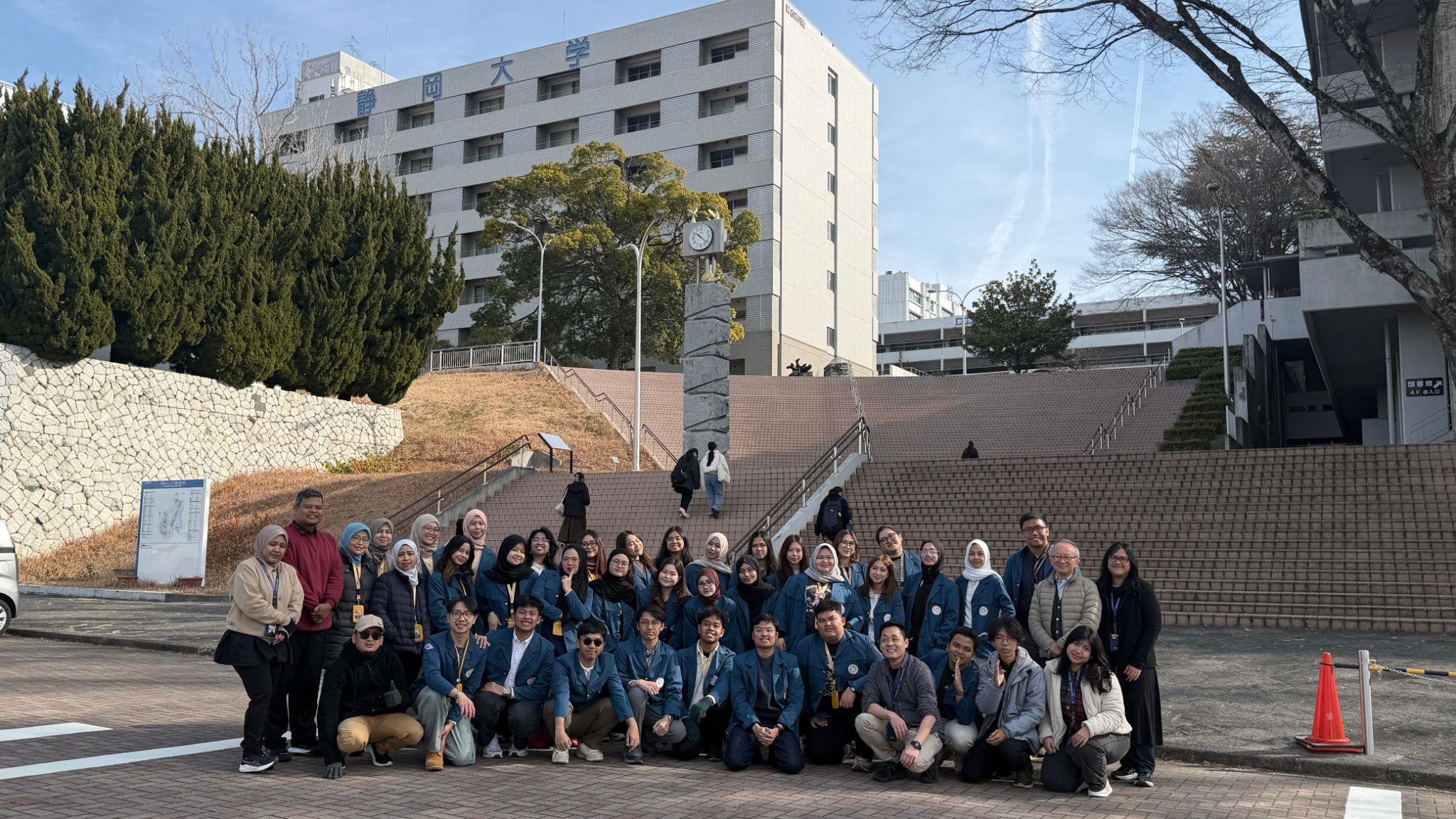
The program was intendedto integrate disaster risk reduction into research and community engagement, and prepare professionals in their respective fields to face complex disaster risk effectively. Japan’s disaster management has been viewed as a model of resilience and preparedness, characterized by a strong emphasis on community involvement, continuous improvement, and a structured disaster-preparedness system. Therefore, academic exchange in Japan focusing on disaster risk management will give students opportunities to critically reflect on how such approaches can be adapted and applied within Indonesian and Malaysian settings. Located in the highly active “Ring of Fire” exposes Indonesia and Malaysia to earthquakes, tsunamis, volcanic eruptions, and exacerbated by climate change, severe flooding, and landslides. Acquiring further knowledge on disaster risk management is a good starting step to avoid the generation of new risks, improve resilience to the effects of extreme events, and thus contribute to sustainable development.
Aside from the academic exchange, the students also got to learn and interact directly with the local residents. This opportunity was realized through the “Interviews with Local Residents Regarding Disaster Prevention and Elderly Preparedness” activity. By conducting interviews with local residents in Japan, participants were able to deepen their understanding of community-based disaster prevention practice. Exploring residents’ awareness of disaster prevention systems, their experiences during disasters, challenges faced by vulnerable groups–particularly the elderly–and the role of sustainable practices related to health, sanitation, and waste management helps in identifying challenges faced by elderly residents.
Held for two days, on the 31st of January and the 2nd of February, the activity consists of two days of fieldwork, which include designing research, arranging questionnaires, and conducting semi-structured interviews with local residents. Divided into two phases, by putting together different focuses, the students aimed to ensure comprehensive insight. After the students had settled the questionnaires, they were set to conduct the interviews.
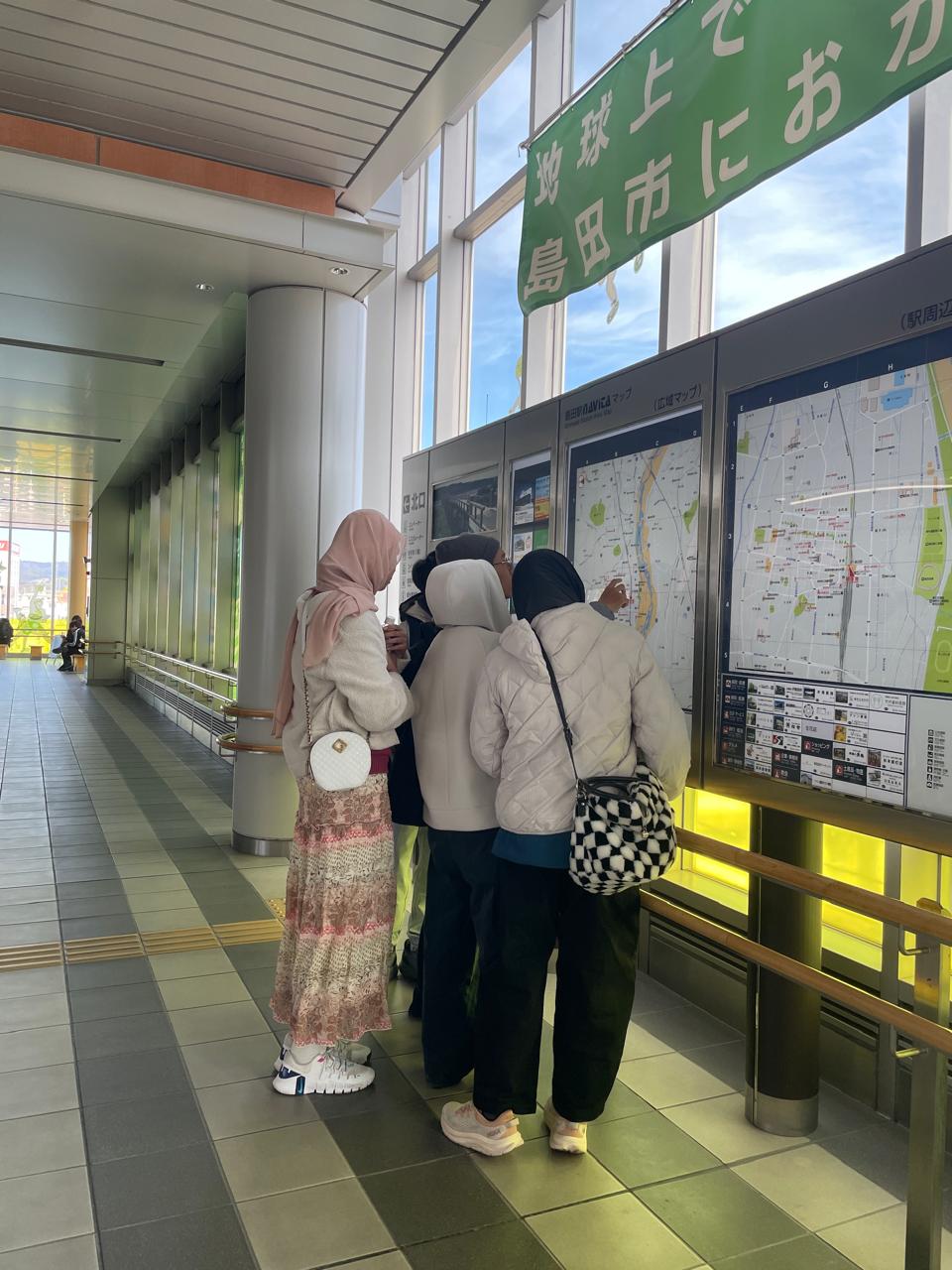
On both of the fieldwork days, all the participants were directed to go to a designated area without using any gadgets to assist their trip. Therefore, they had to ask around, check the information board, and the signs along the way. The circumstances require the students to engage directly with the citizens and foster intercultural interaction. Once they have arrived, the students are divided into groups, where some engage with local residents and the others conduct interviews with the officers at the disaster management office. By getting hands-on experience in conducting interviews with local residents and officers at the disaster management office, the students got to observe and understand more about local disaster management system, early warning mechanism, and community preparedness practice implemented in Shizuoka prefecture.
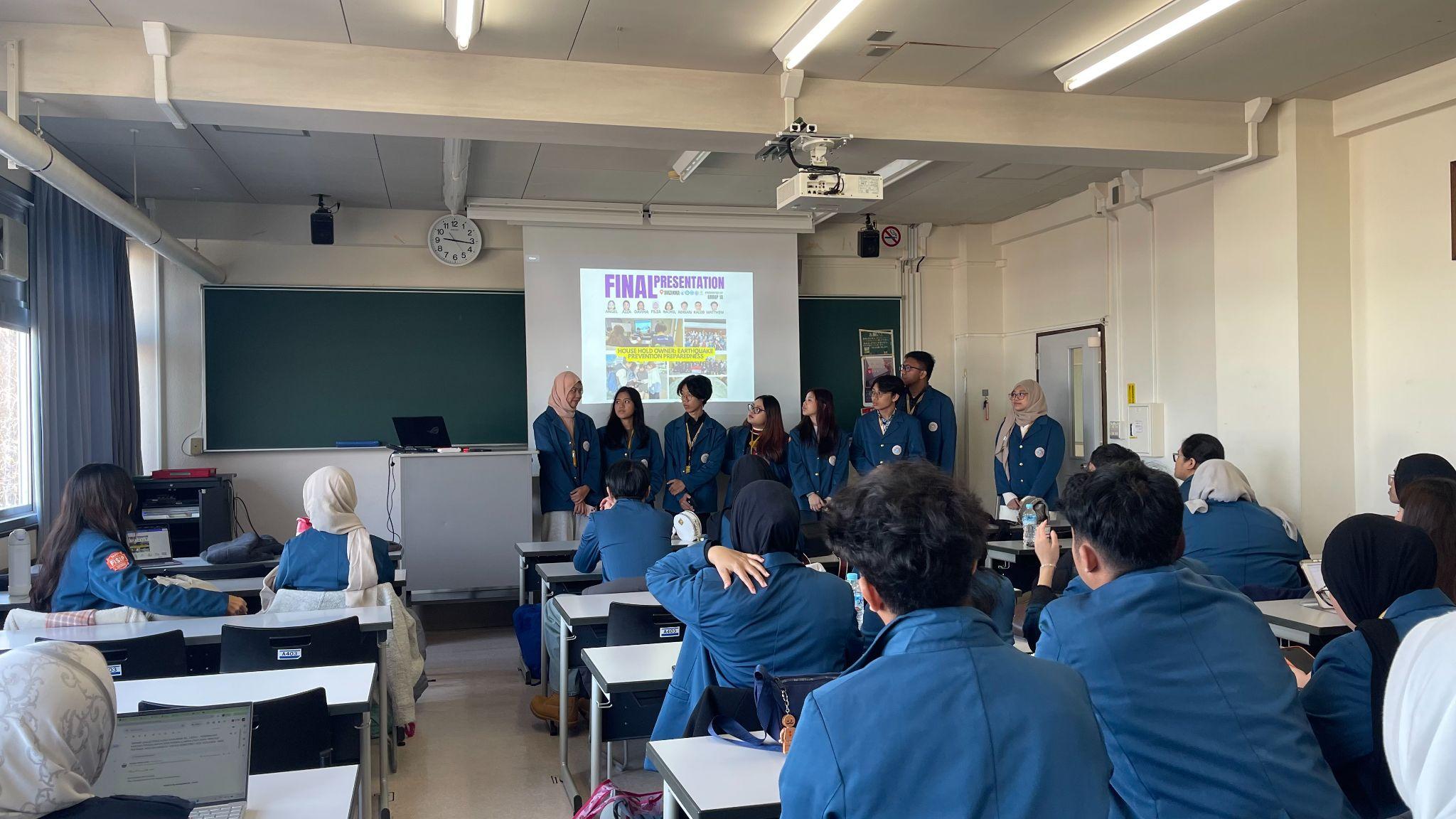
On 5th of February, the students held a final presentation. In this session, the students presented what they have learned and worked on the two fieldwork days.
The “Interviews with Local Residents Regarding Disaster Prevention and Elderly Preparedness” activity is closely aligned with SDG 11 (Sustainable Cities and Communities) through its effort to push community involvement in disaster prevention, SDG 3 (Good Health and Well-Being) by identifying sustainable practices related to health, sanitation, and waste management in disaster situations, and SDG 13 (Climate Action) that emphasize on adaptation and resilience, which involves managing risks from climate-related disasters.
0 Comments