
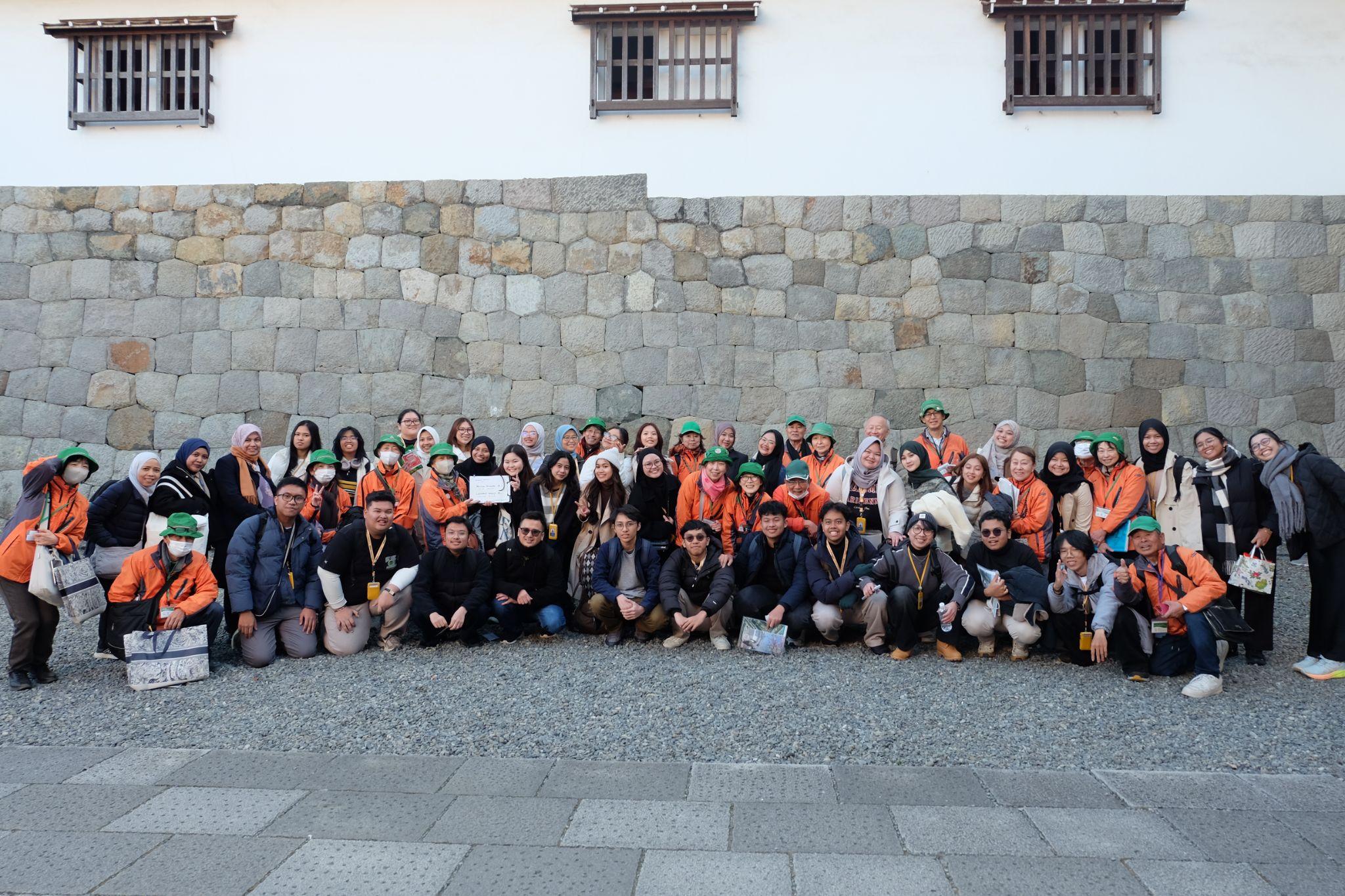
Universitas Airlangga and Universiti Teknologi Malaysia, through the World University Association of Community Development (WUACD), have successfully conducted a WUACD IMPACT program in collaboration with Shizuoka University, Japan, on the 30th January to 4th February 2026. The program highlighted a strong commitment to community engagement, environmental sustainability, and cross-cultural collaboration between Indonesian and Japanese communities. It aimed to expand its impact on a broader global scale. Through collaboration with Shizuoka University, the initiative fosters experiential and practice-oriented learning, particularly in areas such as community engagement and disaster awareness. By integrating academic exchange, experiential activities, and direct interaction with local communities, the program enabled participating students and staff to gain practical insights while reflecting on how such approaches can be adapted to their home countries, Indonesia and Malaysia.

On February 3, 2026, participants carried out a volunteer activity titled “Providing Translation Support for the Elderly.” The initiative aimed to assist elderly residents in overcoming language barriers that often hinder their understanding of daily communication, administrative processes, and public services. This activity became one of the highlights of the program because Japan is known as a country with a rapidly aging population, where many elderly people experience difficulties adapting to the increasing use of multicultural communication and digital-based public services. In several communities, especially those interacting with international students and foreign residents, translation assistance is essential to ensure that elderly citizens can continue to access information and participate comfortably in society without feeling isolated.
During the activity, students acted as companions by offering simple translations and explanations through direct and friendly interactions. Not only did the program offer translation support, but it also encouraged empathy, patience, and meaningful social connections between the students and the elderly community. The initiative reflected the importance of intercultural understanding and social inclusion, particularly in Japan’s society, where respect for the elderly and community harmony are highly valued cultural principles. Through these interactions, participants not only improved communication access for the elderly but also gained valuable experiences in community engagement and humanitarian service. This activity aligns with several global development goals, including Sustainable Development Goals (SDG 4: Quality Education, SDG 8: Decent Work and Economic Growth, and SDG 10: Reduced Inequalities), which highlight the importance of inclusive communication and lifelong learning opportunities for the elderly.

The following day, on February 4, 2026, participants were involved in a community-based environmental program titled “Pine Needle Collection and Environmental Awareness Activity” at Miho no Matsubara, also widely known as Miho Pine Forest. The initiative focused on collecting fallen pine needles in public and residential areas as part of environmental maintenance and disaster risk reduction efforts. The activity was particularly meaningful because pine forests, especially Miho no Matsubara in Shizuoka, hold strong cultural, historical, and environmental significance in Japan and are considered important natural heritage sites that require continuous community-based preservation efforts. In collaboration with students from Shizuoka University, the activity also served as a platform for intercultural communication and knowledge exchange. Participants worked together to promote sustainable practices while strengthening cross-cultural understanding. The program emphasized key objectives such as increasing environmental awareness, contributing to local sustainability, and fostering international partnerships. It supports SDG 11 (Sustainable Cities and Communities) and SDG 17 (Partnership for the Goals), which reinforce the role of collaborative action in addressing global challenges.
Through these activities, participants from Universitas Airlangga and Universiti Teknologi Malaysia demonstrated their commitment to applying academic knowledge in real-life practice while building meaningful international relationships. The program reflects the growing importance of global collaboration in higher education, particularly in addressing social and environmental issues at the community level. By combining community service, practical learning, and cultural exchange, Universitas Airlangga and Universiti Teknologi Malaysia, through WUACD, demonstrate how WUACD IMPACT programs contribute not only to local communities but also to students’ personal and professional development in a globalized world.
0 Comments