
As part of the Go East Java 2.0 program, students from Universiti Teknologi Malaysia (UTM), Malaysia, and Universitas Airlangga, Indonesia, teamed up to engage in community empowerment activities in several villages in Banyuwangi, Indonesia, including Desa Banjar Village, Desa Gumuk, Desa Jelun, and Desa Licin. One of the main focuses of their activities was the “Jejak Kaki Sehat” educational campaign, which aimed to raise awareness about the significance of wearing proper footwear for health and hygiene. This initiative not only addresses important health issues but also fosters positive behavior within the local community, which contributed to the overall well-being of hygiene and health of the community.. This agenda was expected to benefit the local community by providing them with sufficient knowledge of the importance of wearing proper footwear and raising awareness about the significance of hygiene and health in daily life.
The importance of this agenda came from the observation done by students from Universiti Teknologi Malaysia and Universitas Airlangga during the program that many locals often go without shoes or sandals while doing outdoor activities, especially the local kids. Some of them consider wearing footwear unimportant, influenced by habits, and the lack of understanding regarding the way not wearing sandals or shoes during outside activity could affect health impacts which this activity may increase the risk of infections and injuries. The soil and roads may be contaminated with bacteria, viruses, and parasites that can lead to illness. Furthermore, uneven surfaces or sharp objects found on the ground can cause foot injuries that might lead to serious infections if not treated properly.
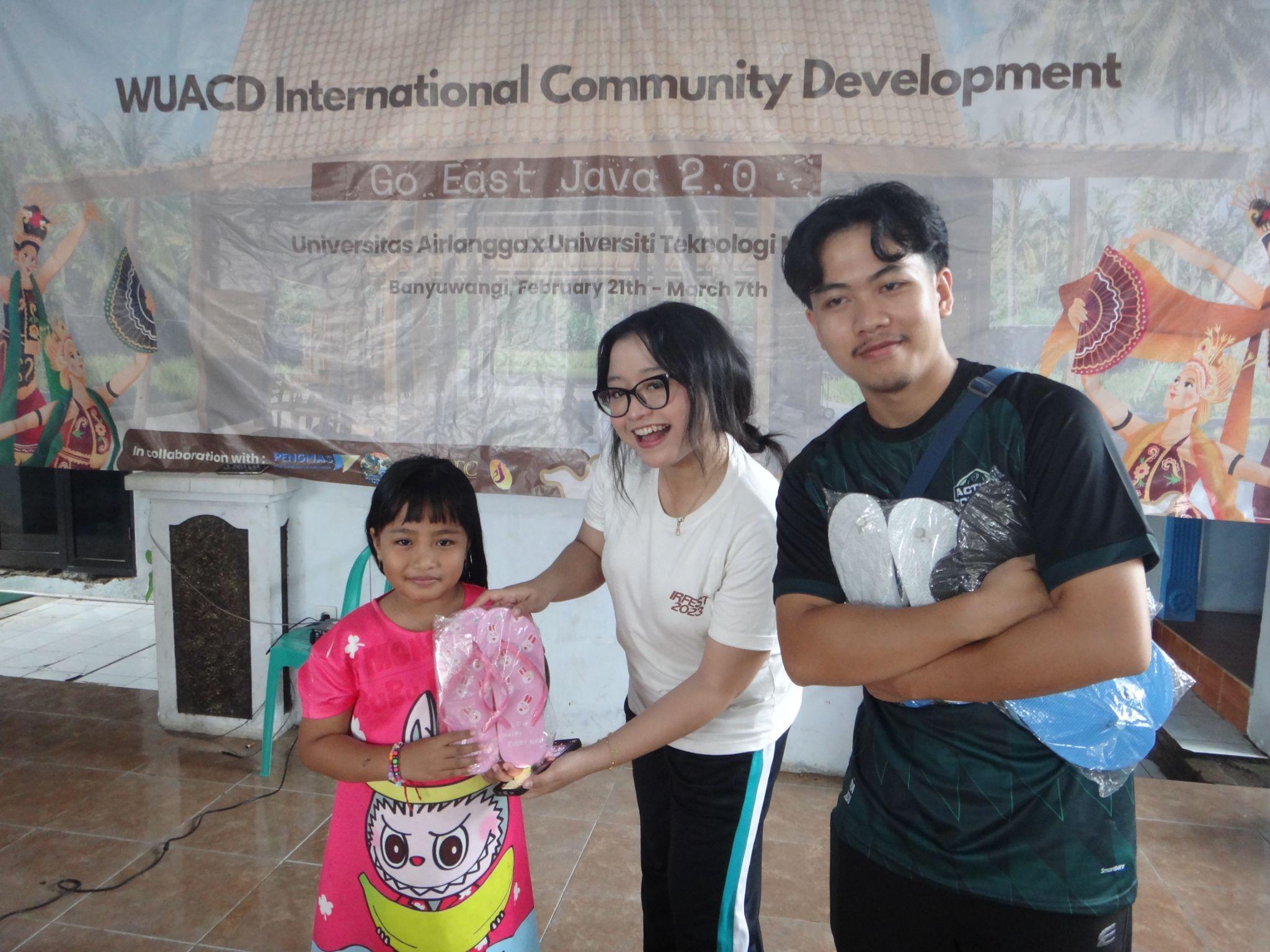
Based on these observations, the “Jejak Kaki Sehat” campaign is highly relevant to the activities of the Go East Java 2.0 program, which aimed to educate the public about the importance of wearing footwear, especially for children, in order to protect them from health hazards associated with not wearing shoes or sandals. To address this issue, students organized a variety of interactive and engaging educational activities for children. They provided counseling on the benefits of wearing appropriate footwear and discussed the negative consequences of not doing so. By transforming this habit through their educational campaign, they are helping to create a healthier future. Additionally, the students distributed free footwear to children to directly encourage the habit of wearing shoes. The campaign also emphasized the importance of maintaining personal hygiene and keeping the surrounding environment clean.
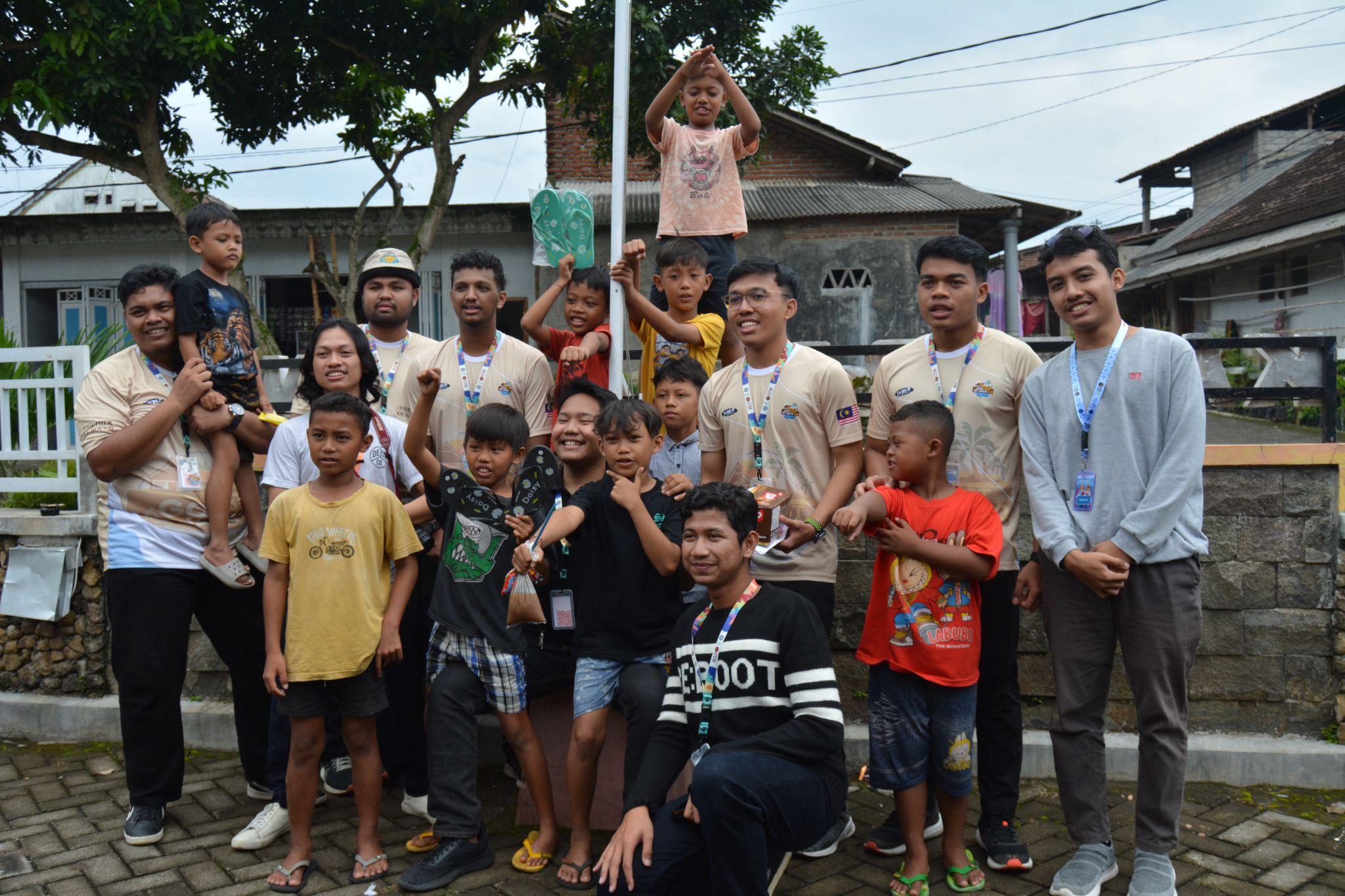
The “Jejak Kaki Sehat” campaign aligns with Sustainable Development Goals 3 (Good Health and Well-Being) and 4 (Quality Education) by promoting the habit of wearing footwear for health and hygiene. The campaign aims to educate the public, especially children, about the importance of healthy practices. Beyond health benefits, the campaign also emphasizes the power of education in shaping long-term behavioral change. By educating parents, teachers, and children, the program ensures that the knowledge gained extends beyond the campaign itself, creating a ripple effect that encourages better hygiene and safety practices for future generations.
The campaign also highlights the significance of partnerships in driving meaningful change, as seen in the collaboration between students from Universiti Teknologi Malaysia (UTM) and Universitas Airlangga, who worked together to implement this program. Their efforts demonstrate how cross-border cooperation can address local challenges and contribute to global development goals. Through this initiative, we hope the community will gradually and sustainably adopt the habit of wearing footwear, understand its benefits, and incorporate it into a healthy lifestyle. This campaign demonstrates that positive change can begin with simple actions that are consistently and sustainably practiced.
0 Comments