

As part of the WUACD Summit 2025, held in conjunction with the ASEAN Microbial Biotechnology Conference (AMBC) and the AUN/SEED-Net Regional Conference 2025, ASEAN BCG Network Meeting and Conference 2025 stood out as a hallmark event promoting regional collaboration for sustainable development. Organized under the ASEAN Bio-Circular-Green Economy Network (ASEAN BCG Network), the event gathered leading academic, policy, and research stakeholders committed to advancing the principles of bioeconomy, circular economy, and green economy across Southeast Asia. This year’s programs were co-hosted by Institut Teknologi Sepuluh Nopember (ITS) in Surabaya and Universitas Airlangga (UNAIR) through the World University Association for Community Development (WUACD), supported by the Japan International Cooperation Agency (JICA) and the ASEAN University Network/Southeast Asia Engineering Education Development Network (AUN/SEED-Net).
ASEAN BCG Network Meeting
ITS hosted this year’s ASEAN BCG Network Meeting, bringing together 17 delegates from six ASEAN countries, which are Indonesia, Malaysia, Thailand, Brunei Darussalam, Cambodia, and Myanmar. The event served as a platform to report on recent activities, assess ongoing programs, and propose new initiatives to strengthen regional collaboration in promoting sustainable development through the bio-circular-green economy framework. Held at ITS in Surabaya, the meeting underscored the university’s growing role as a regional hub for innovation and sustainability. The discussions reflected a shared commitment among ASEAN member states to accelerate the transition toward more circular, inclusive, and eco-friendly economic models.
In addition to ASEAN delegates, the meeting welcomed representatives from the Japan International Cooperation Agency (JICA) and the ASEAN University Network/Southeast Asia Engineering Education Development Network (AUN/SEED-Net). JICA, Japan’s official agency for implementing overseas development assistance, provides financial and technical support to developing countries to boost socio-economic development, recovery efforts, and economic resilience. AUN/SEED-Net, a thematic network under the ASEAN University Network, is a collaborative initiative supported by JICA. It focuses on developing engineering human resources to support sustainable socio-economic progress across the ASEAN region.
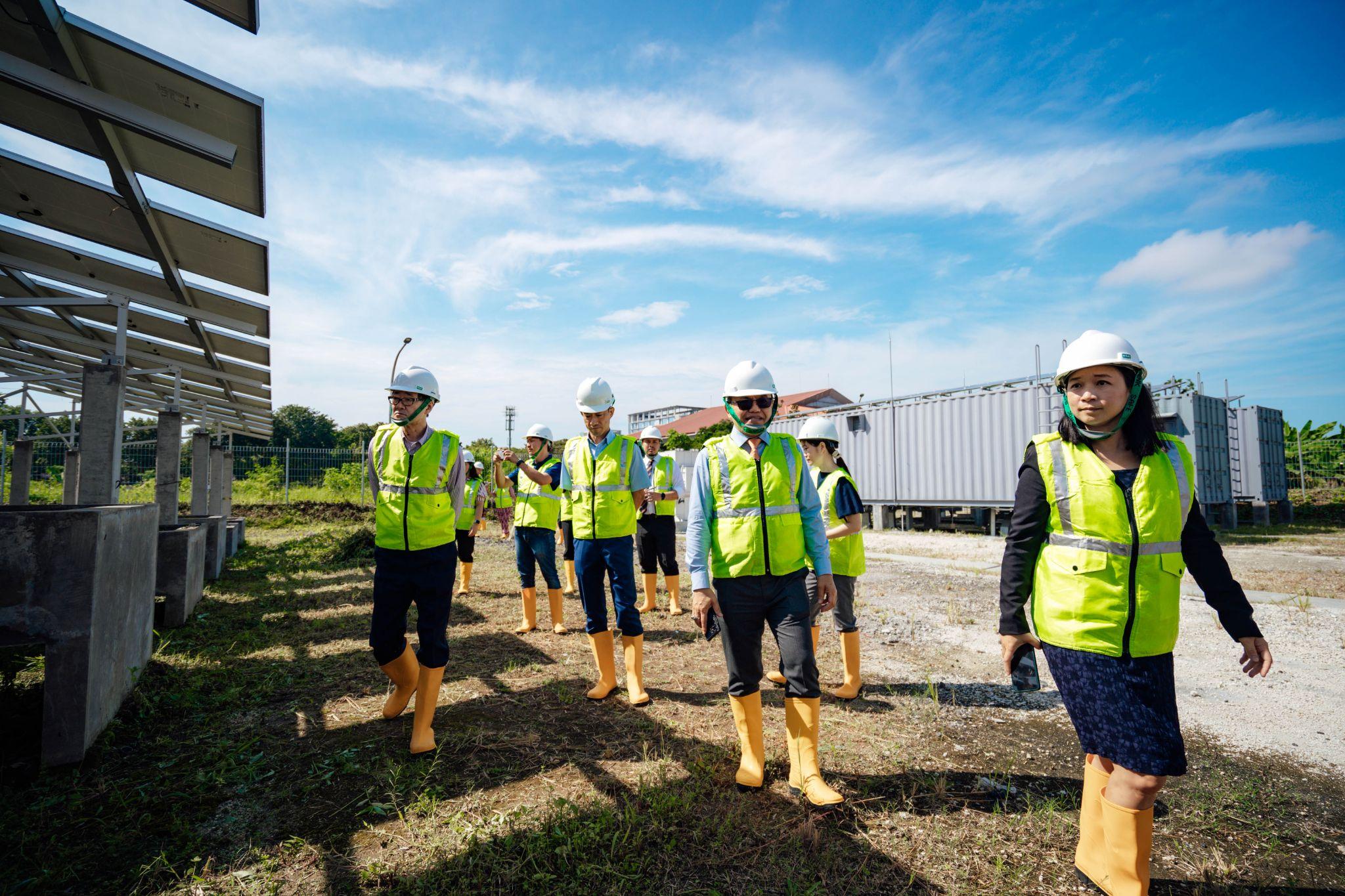
The agenda began with a visit to two of ITS’s living laboratories that are at the forefront of research in the Bio-Circular-Green Economy. Delegates were first introduced to the Renewable Energy Innovation and Development Initiative (REIDI) Laboratory, a facility established under the INSPIRASI program, a major collaboration between ITS, Nanyang Technological University (NTU) Singapore, and several other Indonesian universities. REIDI is recognized as Indonesia’s first renewable energy living lab and was inaugurated in late December 2023. During the visit, delegates observed firsthand the laboratory’s operations and its vital contributions to renewable energy development and innovation, which could benefit the participants in designing and implementing similar models in their home countries. The tour highlighted REIDI’s ongoing pilot projects in solar energy integration, biomass conversion, and battery storage systems, sparking meaningful discussions about how such technologies can be adapted regionally to support the goals of the bio-circular-economy. This activity also reflects a strong alignment with several key Sustainable Development Goals (SDGs). Most notably, it supports Goal 7 (Affordable and Clean Energy) by showcasing scalable solutions for increasing access to reliable and renewable energy sources. It also advances Goal 9 (Industry, Innovation, and Infrastructure) through its promotion of cutting-edge research and collaboration between academia and industry, aimed at building sustainable energy infrastructure.
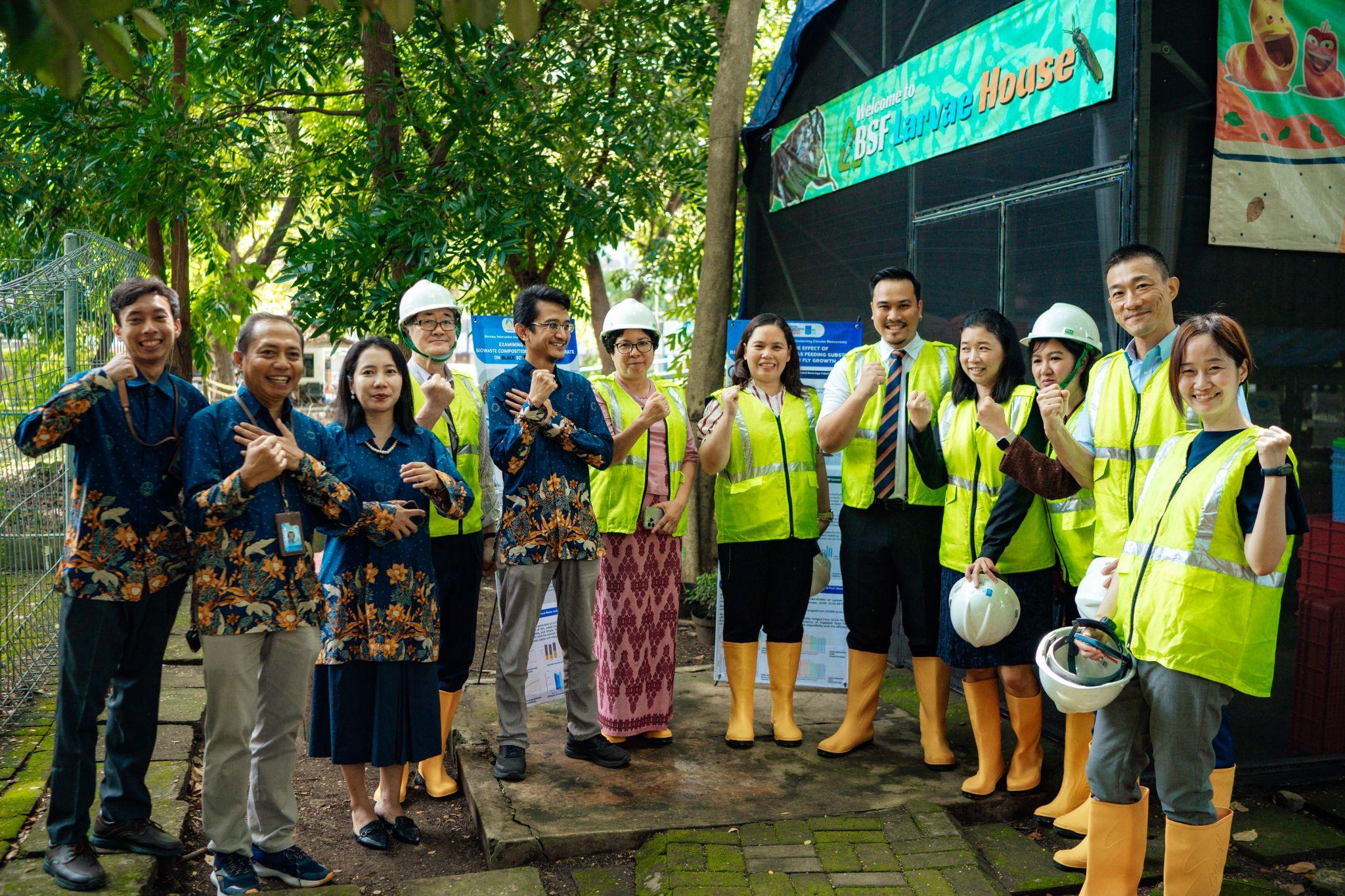
Following the REIDI tour, delegates continued their visit to the Environmental Engineering Laboratory, where they explored ITS’s innovative research on utilizing black soldier fly larvae for organic waste conversion. This project, developed in collaboration with Nanyang Technological University (NTU) Singapore and other ASEAN institutions, provides a sustainable and nature-based solution to the growing challenge of organic waste management. By leveraging the natural decomposition abilities of BSF larvae, the project transforms food and agricultural waste into high-value biomass, such as animal feed and organic fertilizer, reducing landfill use and environmental pollution. This initiative is a strong reflection of the bio-circular-green economy, emphasizing biological processes, waste-to-resource cycles, and economic efficiency. Delegates showed great interest in how this model could be adapted and scaled in their respective countries, especially in urban and agricultural settings where organic waste poses a critical environmental concern. This activity also demonstrates direct contributions to several SDGs. It supports Goal 12 (Responsible Consumption and Production) by promoting waste reduction through circular resource use, and encouraging sustainable waste processing practices. Additionally, the reduction of methane emissions from decomposing waste aligns with Goal 13 (Climate Action), as it helps mitigate the impact of greenhouse gases.
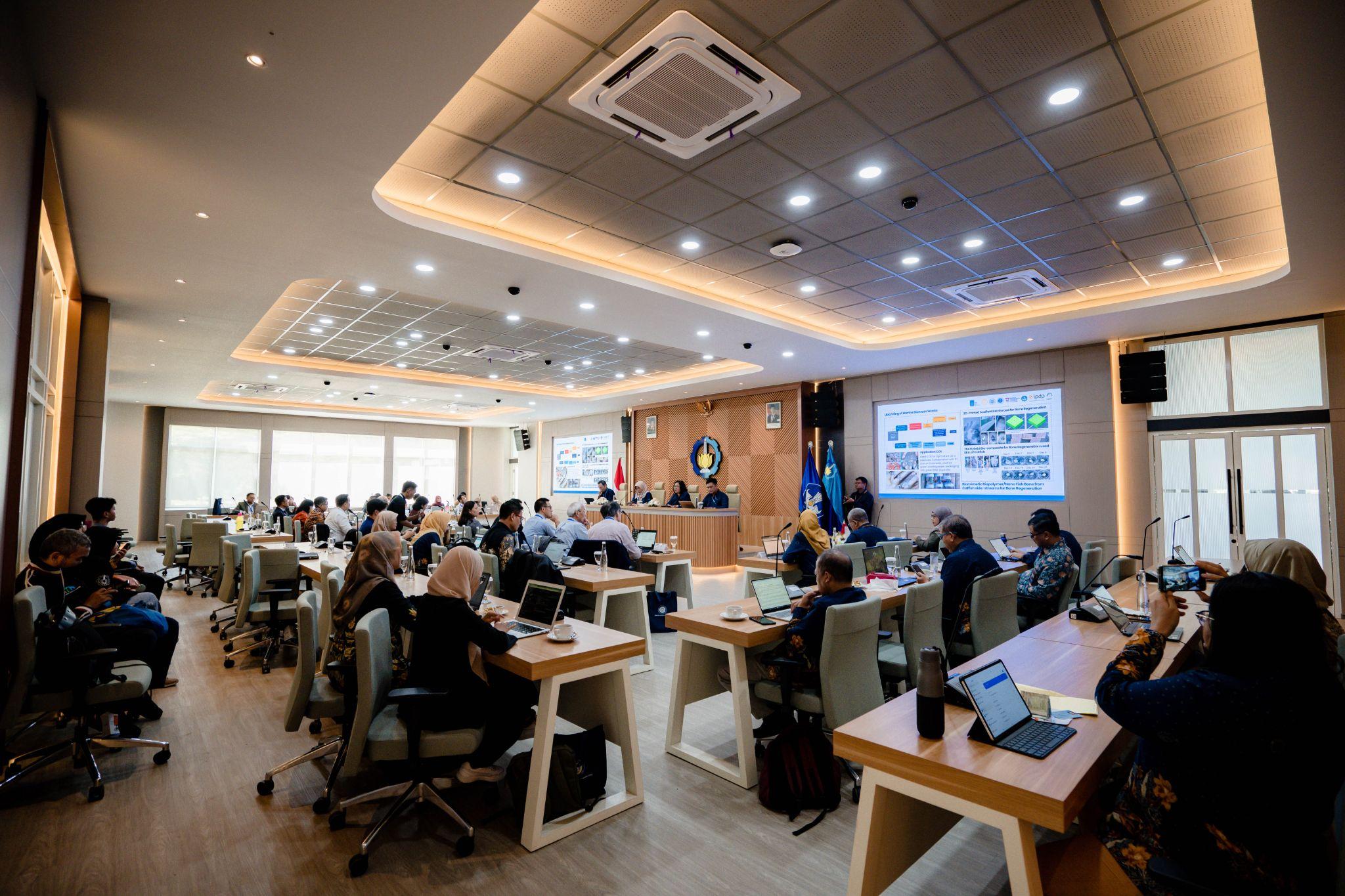
The meeting then proceeded to the ITS Rectorate Building, where formal discussions and institutional presentations took place. The session opened with a presentation by Professor Warmadewanti, who outlined ITS’s comprehensive approach to implementing circular economy principles across its academic and research ecosystem. This was followed by a detailed overview of the REIDI Laboratory presented by Mr. Dedet, highlighting its role as a catalyst for renewable energy innovation in Indonesia and beyond. In addition, the session featured a focused presentation on the potential of biotechnology in supporting the bio-circular-greenconomy, further showcasing ITS’s multi-disciplinary approach to sustainable development.
Transitioning into the main plenary session, opening remarks were delivered by representatives from both ITS and UNAIR. These remarks underscored the critical role of higher education institutions in shaping sustainable futures through collaborative research, innovation, and regional engagement. The ASEAN BCG Network Secretariat then presented its annual report, summarizing key milestones achieved over the past year and outlining strategic directions moving forward. This was followed by a series of presentations from member universities across ASEAN, each sharing updates on their research initiatives, best practices, and breakthroughs in advancing the BCG agenda. These included projects in areas such as waste valorization, sustainable materials, bioengineering, and green infrastructurem each demonstrating the unique ways institutions are localizing BCG principles to fit their socio-economic and environmental contexts.
The meeting concluded with a keynote address by Professor Dr. Kazuhito Fujiyama, who emphasized the urgency of multi-sectoral and cross-border collaboration to accelerate green innovation and inclusive growth across the ASEAN region. He highlighted how academic networks like the ASEAN BCG Network can act as strategic platforms for driving regional synergy, sharing resources, and co-developing scalable solutions that support the transition toward a resilient, low-carbon economy. This session of the ASEAN BCG Network Meeting strongly aligned with the Sustainable Development Goals (SDGs), particularly Goal 17: Partnerships for the Goals, by exemplifying the power of cross-institutional cooperation and international collaboration in addressing shared environmental and developmental challenges.
ASEAN BCG Network Conference
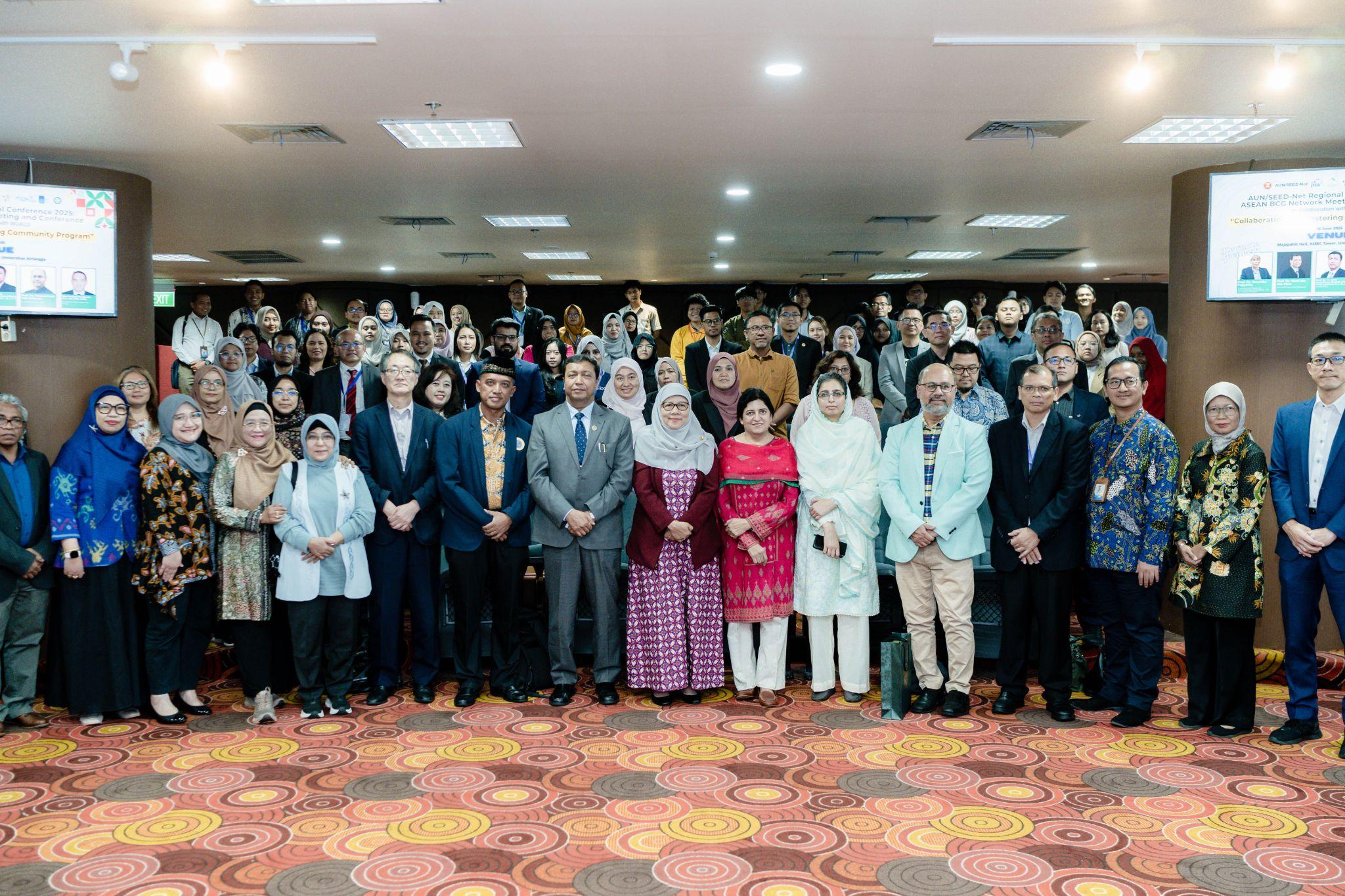
The AUN/SEED-Net Regional Conference (RC) 2025: The ASEAN BCG Network Meeting and Conference resumed on 15 June 2025 with the ASEAN BCG Network Conference. The day opened with welcoming remarks from Mr. Hideki Shimazu of AUN/SEED-Net, followed by a presentation by Dr. Sirin Chakamanont, who emphasized AUN/SEED-Net’s evolving contributions to strengthening regional science and engineering education through collaborative platforms and mobility programs. Continuing the session, Professor Ir. Dr. Muhamad Ali bin Muhammad Yuzir introduced the ASEAN Engineering Journal (AEJ) as a crucial channel for fostering scholarly exchange and disseminating research aligned with BCG and sustainability principles. The agenda then moved into deeper dialogue on cross-sectoral integration, led by Professor Hideaki Ohgaki and Assistant Professor Dr. Shintami Hidayati, who discussed coordination mechanisms for science, technology, and innovation (STI) across ASEAN institutions. Their insights highlighted how establishing more cohesive and collaborative STI frameworks is essential to ensuring the effective implementation of bio-circular-green principles across national contexts, particularly in addressing complex, transboundary challenges such as climate change, sustainable industry, and food-energy-water security.
This session was especially timely and relevant for the attending academics, policymakers, and institutional leaders, as it addressed a pressing need: how to transform fragmented innovation ecosystems into interconnected, results-driven networks. By focusing on STI coordination, the session directly responded to the urgency for actionable collaboration in research and education that aligns not only with ASEAN’s sustainable development goals, but also with the broader SDGs agenda, particularly Goal 9 (Industry, Innovation, and Infrastructure) and Goal 17 (Partnerships for the Goals). As ASEAN faces shared regional priorities, ranging from clean energy transitions to circular economic practices, this session underscored the critical role of academic institutions in shaping knowledge systems, policy recommendations, and innovation pipelines that can drive a resilient and inclusive ASEAN future.
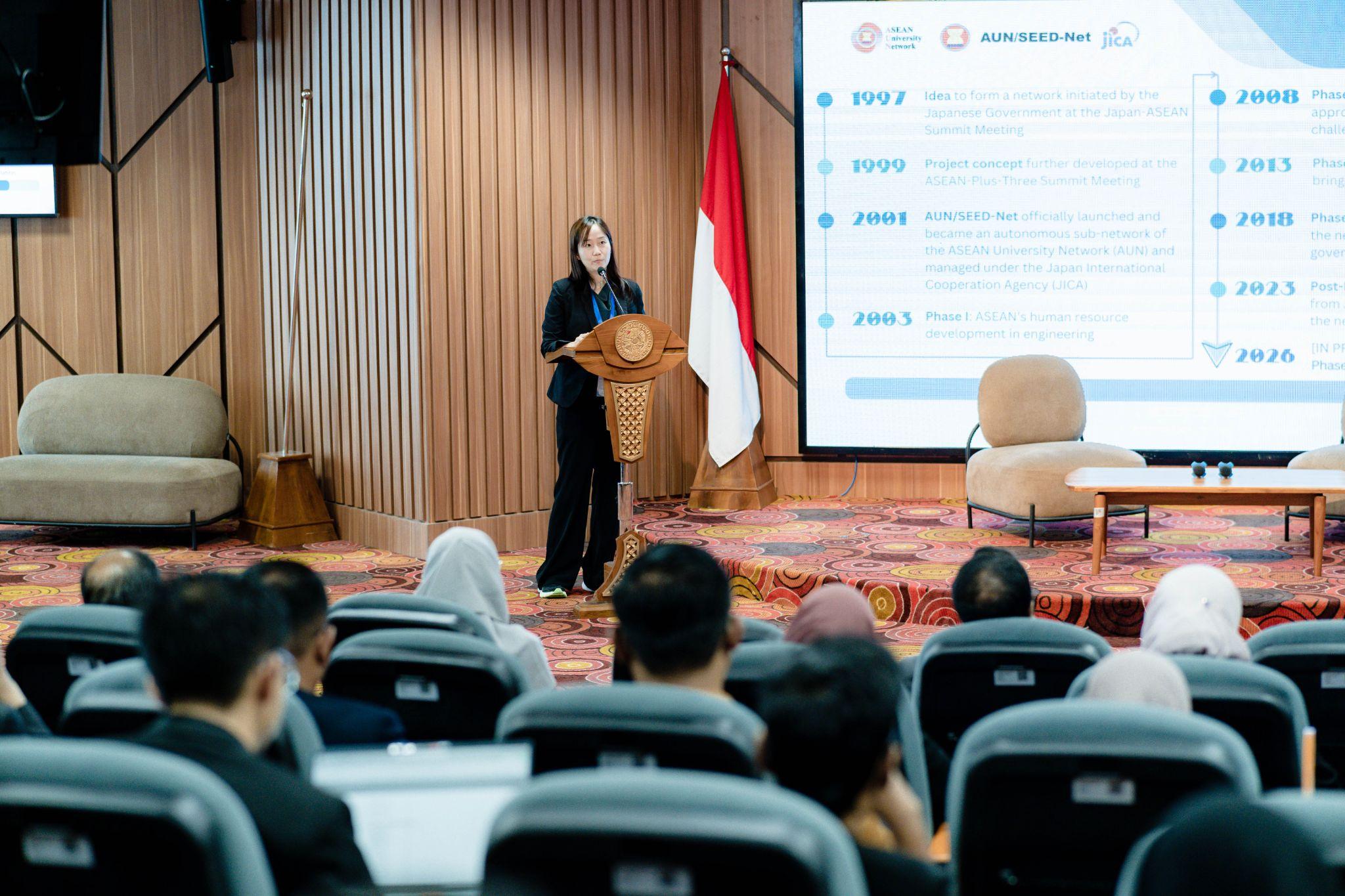
The program continued with keynote sessions, welcoming leading figures in regional research and development, including Professor Dr. Rosli bin Md. Illias of Universiti Teknologi Malaysia, Professor Dr. M. Iqbal Choudhary of COMSTECH, Professor Dr. Muhammad Aziz Rahman of Federation University, and Drs. Eko Harijadi Budijanto, former Director of Port Indonesia Group. Their presentations highlighted the critical role of collaborative science, technology, and innovation ecosystems in delivering solutions to pressing regional challenges, from clean energy and sustainable materials to inclusive economic models.
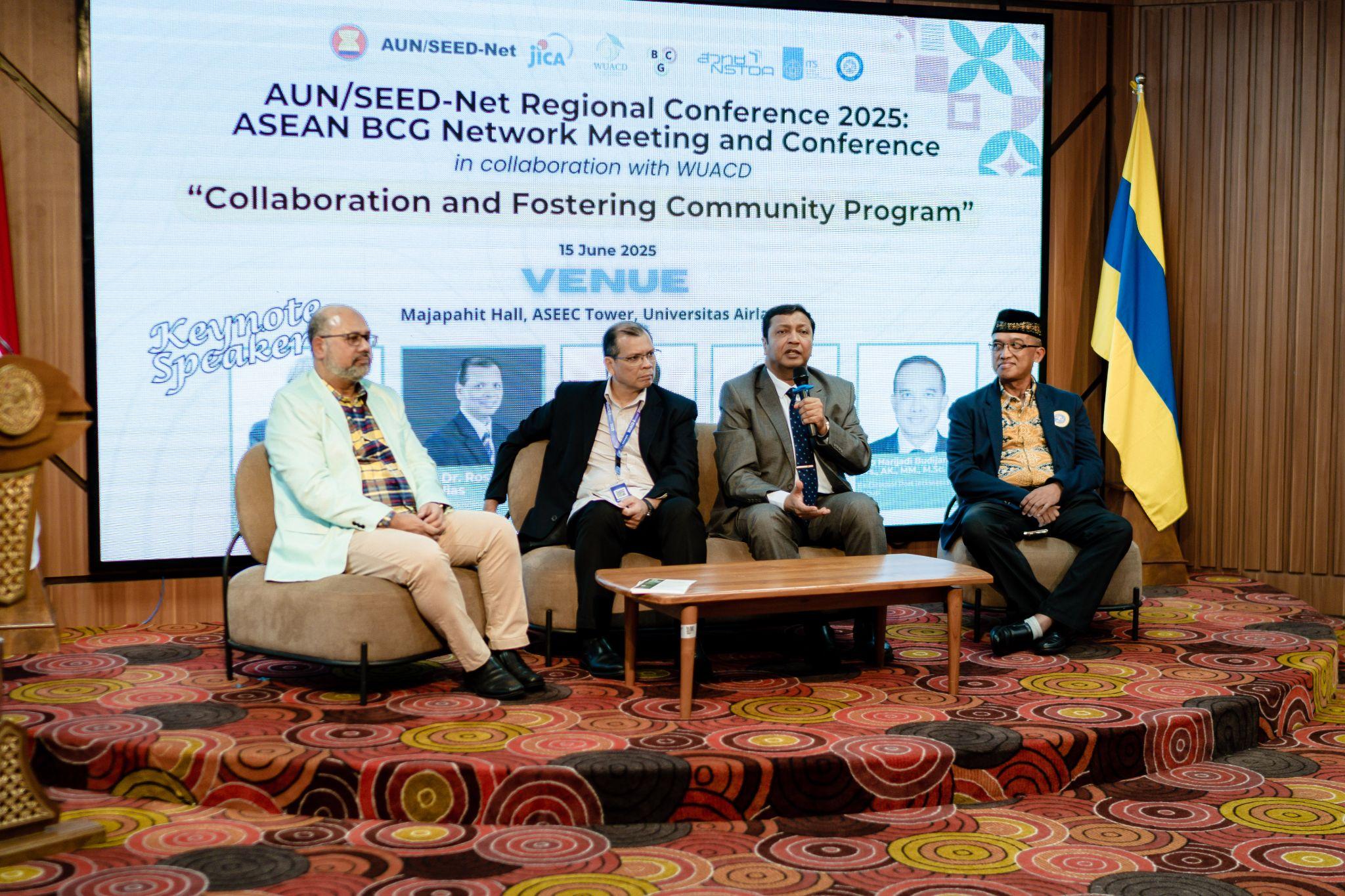
A key feature of the conference was a series of 14 presentations delivered by academics and researchers worldwide, ranging from Malaysia, Pakistan, and Indonesia. These sessions offered a platform to share ongoing studies, experimental methodologies, and preliminary findings across disciplines. Topics ranged from sustainable material innovation and biotechnology applications to climate-adaptive infrastructure and waste-to-energy systems. The diversity of content underscored the richness of regional academic collaboration and its potential to influence policy and practice.
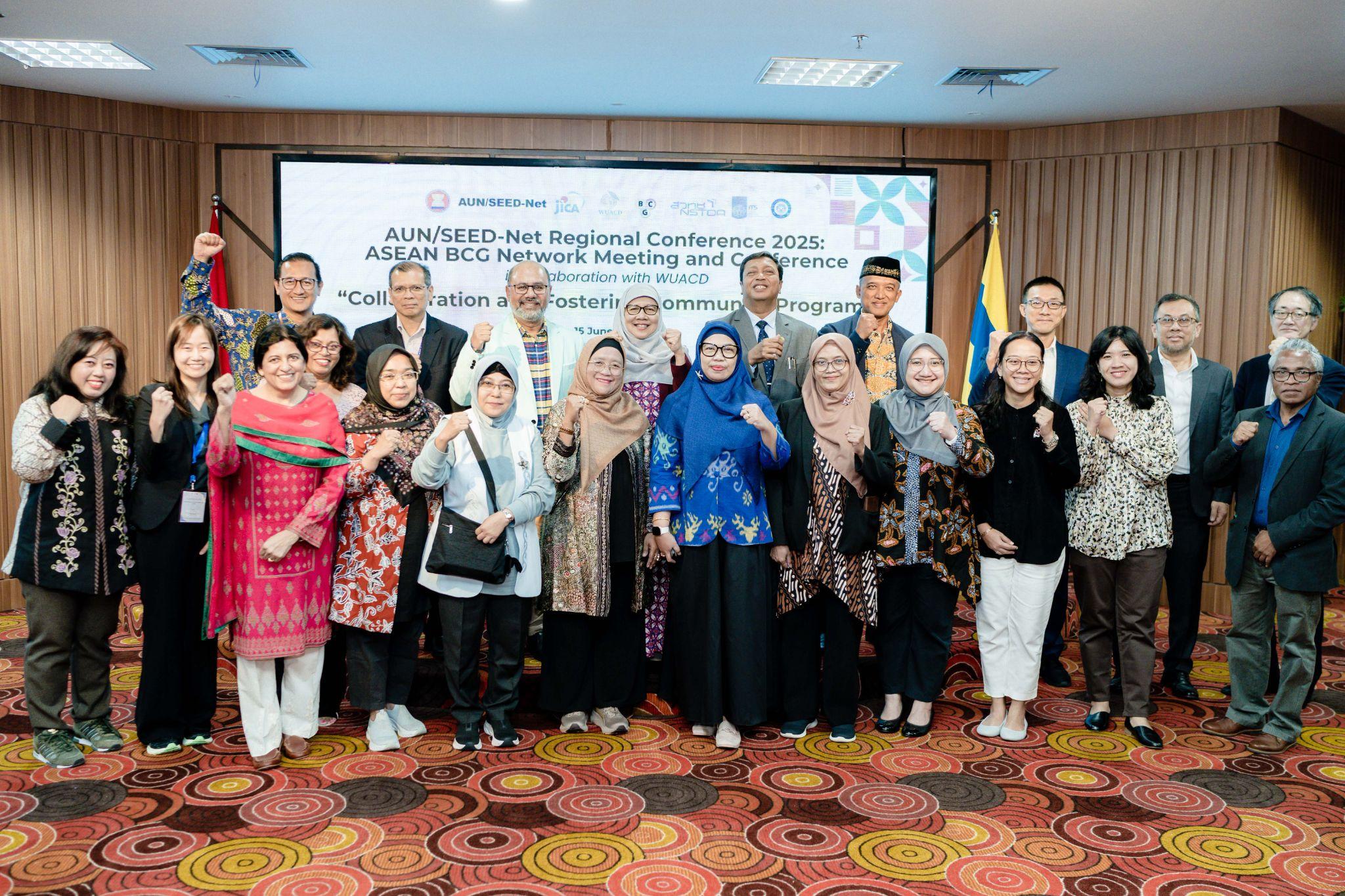
The day concluded with a vibrant networking session that encouraged interdisciplinary engagement and the formation of future research partnerships. This final session not only reinforced the objectives of SDG 17 but also reflected the shared aspiration of ASEAN institutions to unite in building a resilient, equitable, and environmentally sustainable region through science and collaboration. Throughout the week’s activities, the importance of Partnerships for the Goals (SDG 17) remained a recurring theme. The ASEAN BCG Network Meeting and Conference served as a living testament to the value of cross-institutional, cross-sectoral, and cross-border collaboration in tackling the interconnected challenges of the 21st century. Whether through shared laboratory access, co-authored research, or coordinated policy dialogues, the event demonstrated that sustainable development can only be achieved when partnerships are inclusive, strategic, and forward-thinking.
0 Comments