
WUACD and the World Association for Sustainable Development (WASD), on Monday, October 28, 2024, organized an international joint conference on “Implementation of Artificial Intelligence in Digital Health to Support Sustainable Development.” The conference brought together leading experts and researchers worldwide to explore the use of Artificial Intelligence and how it can contribute to further developing healthcare and improving our environment.
After the presentations of the keynote speakers and invited speakers in the main session, the conference led to the oral presenter parallel session, where the main session’s participants and speakers were divided into two rooms to discuss different topics taken from the main session’s insight. Each oral speaker was able to address their presentations or case studies to the room, and each speaker had a 5-minute discussion session with the participants and other experts who were in line to present. This creates opportunities for students and researchers to make partnerships and share their own experiences in each case.
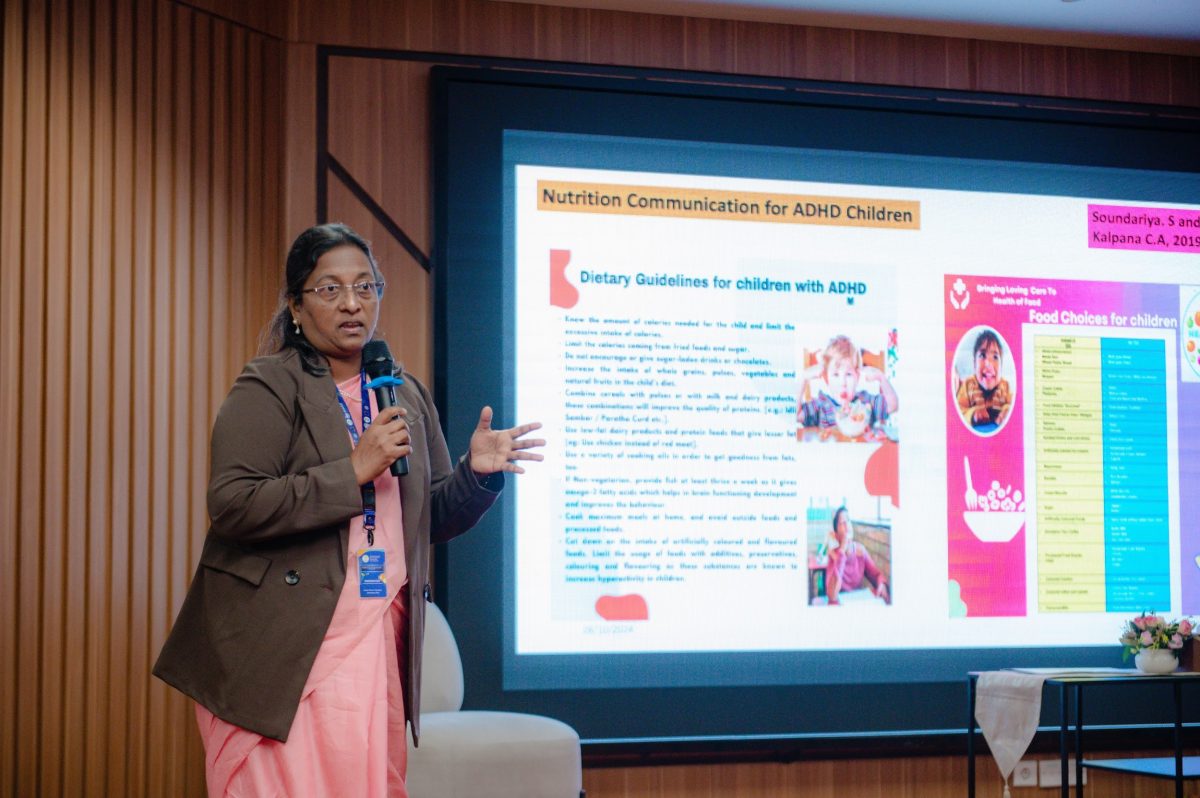
The first room discussed the theme “How AI can support the link between global health and environmental issues of conservation, food security, green economy, blue economy, and circular economy.” This topic relates to SDG point 2: Zero Hunger, point 3: Good Health and Well-Being, and point 8: Decent Work and Economic Growth. Artificial Intelligence can revolutionize the way we approach challenges in various forms. These challenges relate to one another as environmental factors can significantly impact our health and vice versa. One of the cases being discussed in this room was “Synergistic role of Artificial Intelligence and 3D Food Printing in Food Security and Environmental Conservation” by Prof. Dr. Chinnappan Ambrose Kalpana from Avinashilingam Institute for Home Science and Higher Education for Women. Food security is an important topic to be discussed as nutrition is a staple of health. Food security relates closely to healthcare as having reliable access to sufficient, affordable, and nutritious foods can lead to a better and healthier lifestyle. In correlation to the theme and the focus being discussed, AI can be a powerful tool to improve healthcare outcomes and address food security challenges.

Another way artificial intelligence can revolutionize the way we approach challenges is through “Applications of AI in Telemedicine Using Physiological Signal-Based Approaches” by Dr. Muhammad Asim Waris from National University of Sciences and Technology. Artificial intelligence in telemedicine when combined with physiological signs enables remote patient monitoring, remote diagnosis and consultation, as well as mental health monitoring. This shows that artificial intelligence is able to take challenges in many forms.
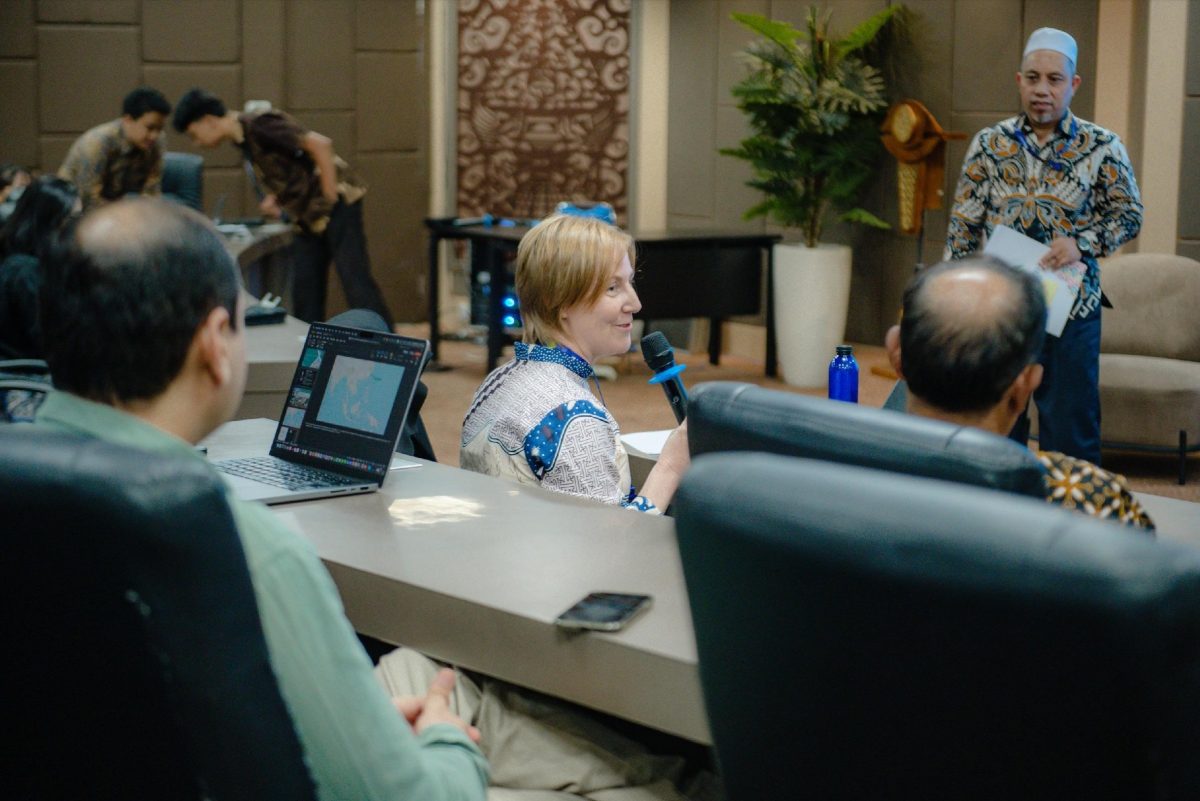
While the first parallel room discussed how AI can support the link between global health and environmental issues of conservation, food security, green economy, blue economy, and circular economy, the second room, on the other hand discussed “Implementation of telemedicine in empowering digital health transformation.” This topic relates closely with SDGs point 3: Good Health and Well-Being. Speakers elaborated more on telemedicine and its role in healthcare on a deeper level as experts showed more detailed cases about where they are from. This can be seen when Professor Charles C. N. Wang from Asia University talks about “Smart Peritoneal Dialysis Home Care Platform in Taiwan,” and Prof. Dr. Syed Waqar ul Qounain Jaffry from the University of Punjab addresses “Telemedicine in Empowering Digital Health Transformation in Pakistan.”

Both topics relate closely with developing healthcare through the implementation of artificial intelligence. A smart peritoneal dialysis home care platform can revolutionize patient care by providing remote monitoring, automated data collection, and personalized treatment plans. This conference provides a platform to share and exchange knowledge that Taiwan has been embracing peritoneal dialysis home care to provide high-quality, patient-centered PD home care, improving patient outcomes and reducing the burden on the healthcare system which may also be implied to other countries.
On the other hand, Pakistan faces significant challenges in providing equitable healthcare access. Telemedicine is a promising solution to address these challenges and empower healthcare transformation. Telemedicine is revolutionizing healthcare delivery, improving patient access and overall healthcare outcomes.
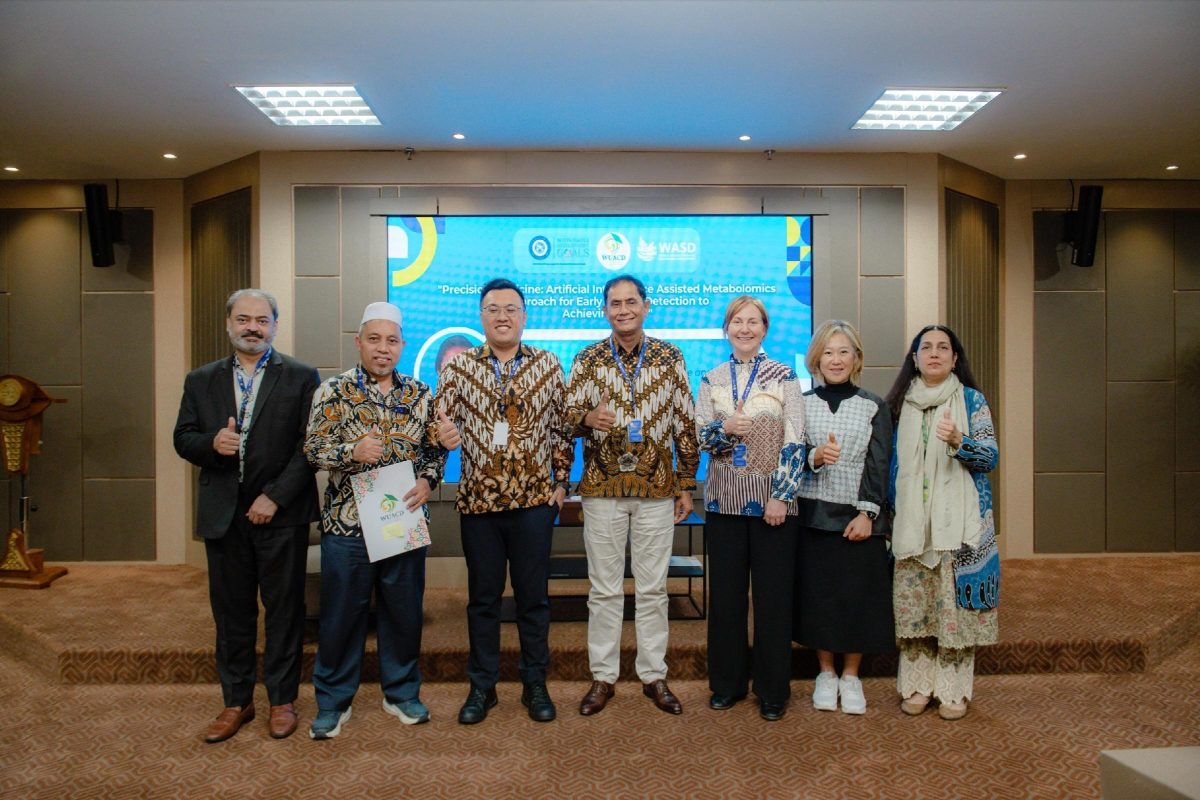
In conclusion, the discussions in both parallel rooms of the conference underscored the transformative potential of Artificial Intelligence and telemedicine in addressing global health challenges and advancing sustainable development goals. By showcasing innovative solutions like Taiwan’s smart peritoneal dialysis home care platform and Pakistan’s telemedicine advancements, the conference fostered an exchange of knowledge and ideas that could inspire actionable strategies for improving healthcare access and outcomes worldwide. As we navigate the intersection of technology and healthcare, such platforms serve as a beacon for collaborative efforts to create a more equitable, efficient, and sustainable future for global health.
0 Comments