
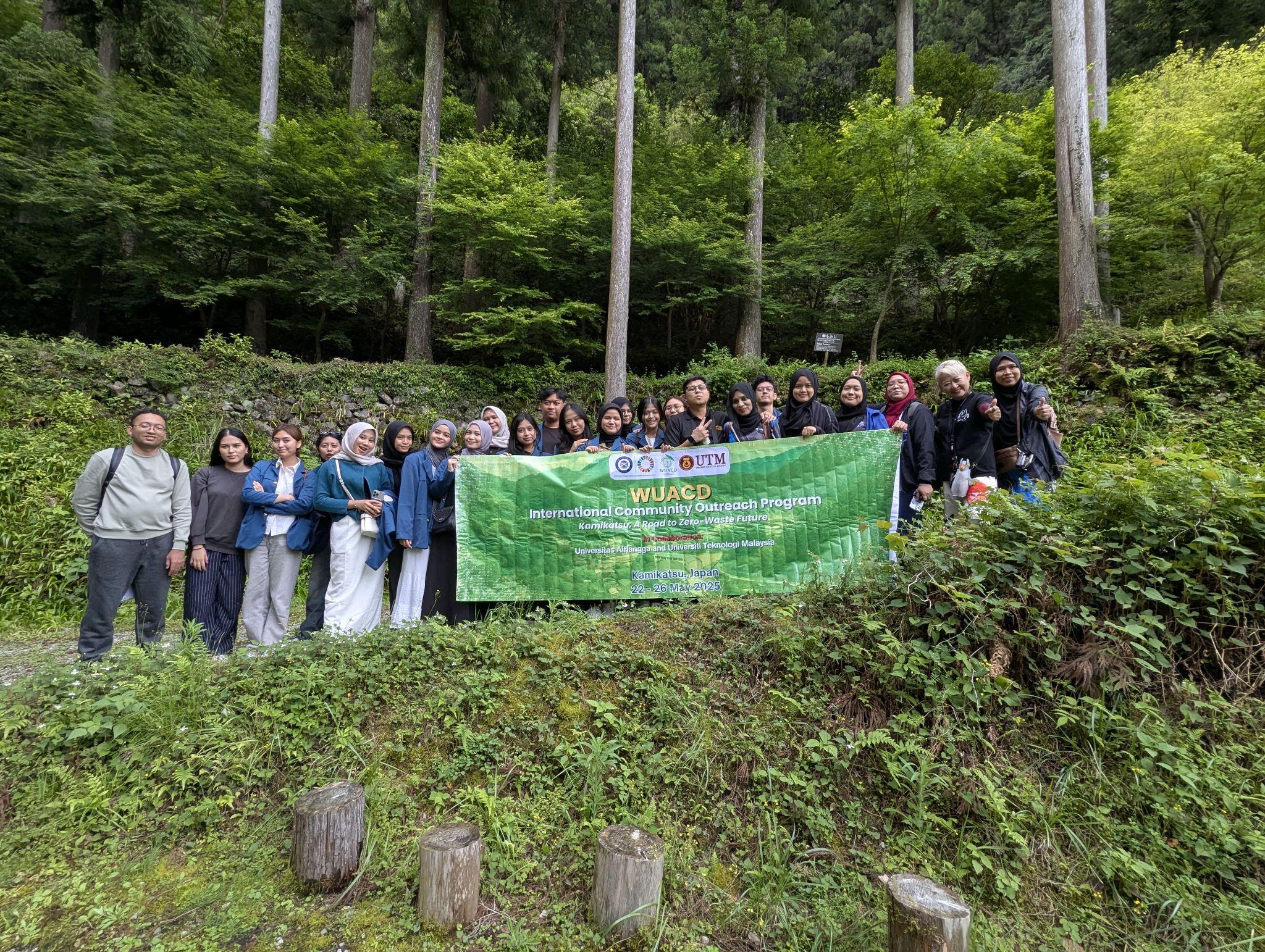
On May 25, 2025, participants of the International Community Outreach Kamikatsu Experience: A Road to Zero-Waste Future explored Kamikatsu, a small town in Tokushima Prefecture known globally for its zero-waste lifestyle. While Kamikatsu’s environmental practices have drawn considerable attention, the town also provides fascinating examples of how sustainability can serve as a foundation for local economic resilience. Through site visits and interviews, participants gained firsthand exposure to how rural communities like Kamikatsu integrate ecological values into innovative business models that empower citizens and support long-term economic viability.
The day began with a deep dive into Kamikatsu’s pioneering zero-waste system. Introduced in 2003, this policy eliminated the use of incinerators and called for a detailed waste separation process involving 45 categories. While the system demands high levels of civic participation, it significantly reduces costs for waste management. At the same time, it encourages a reuse culture supported by community facilities such as the Kuru Kuru Center. These practices do not only promote environmental stewardship but also nurture a local circular economy by implementing SDG 12 on responsible consumption and production.
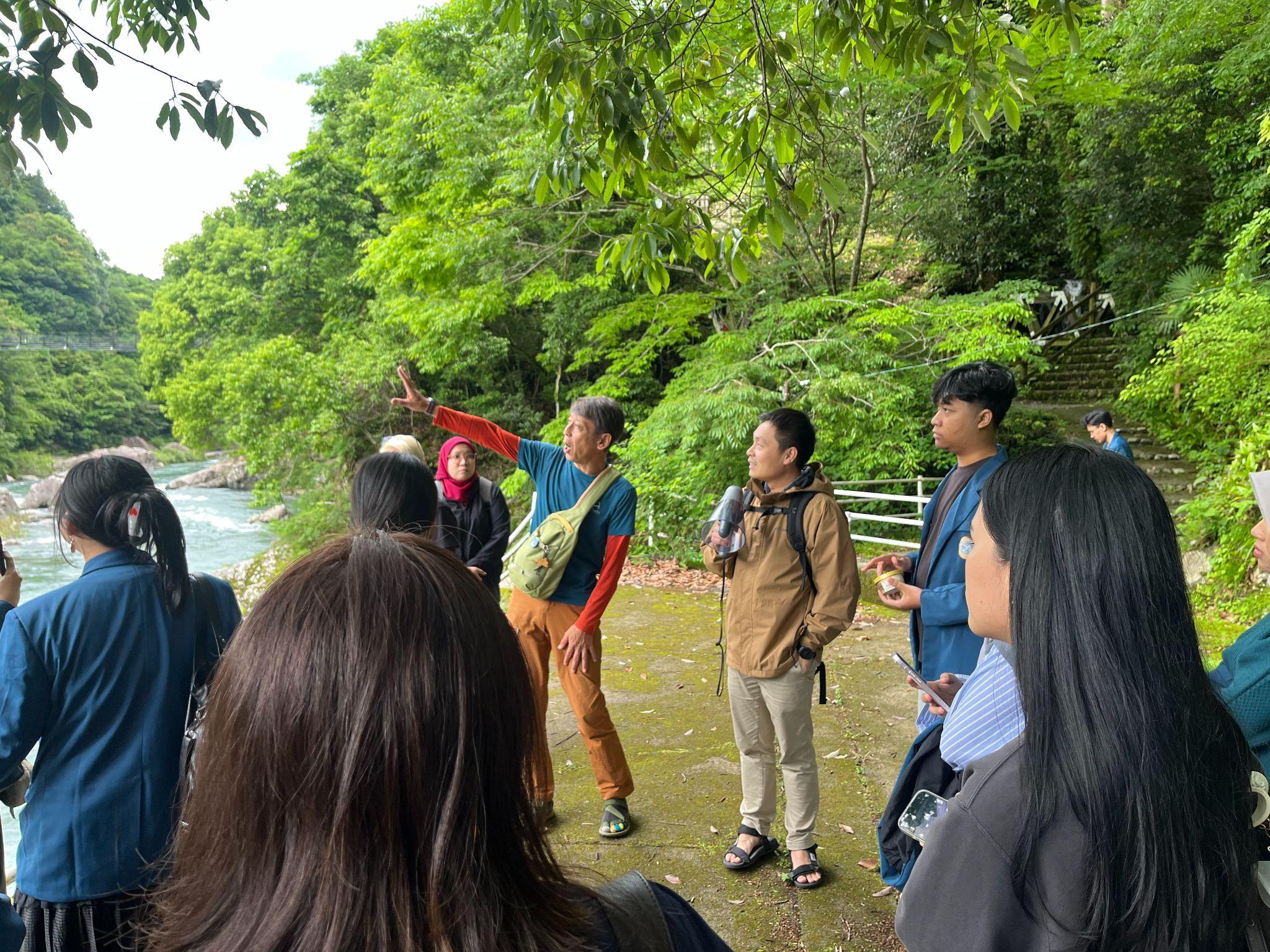
Continuing the journey, participants visited Aya Farm, a community-led initiative focused on organic agriculture. At Aya Farm, they learned about sustainable methods used to grow food that benefits both the land and the community. Instead of producing at industrial scale, farmers focus on maintaining high quality and chemical-free crops for health-conscious markets. This approach ensures economic returns while maintaining soil health and preserving biodiversity. It also allows older farmers to remain active contributors to the local economy. This visit offered an example of how sustainable farming can address foods needs while supporting local livelihoods, and helping them connect the knowledge with real-world solutions. Aya Farm reflects the principles of SDG 2 on zero hunger and SDG 8 on decent work and economic growth, illustrating how small farms can sustain both people and the planet.
Following the visit to Aya Farm, participants were introduced to the Irodori decorative leaf business as one of the economic innovation in Kamikatsu. Irodori began as a local response to agricultural decline, transforming seasonal leaves and flowers into premium culinary garnishes for luxury restaurants throughout Japan. Built on strong market research and branding, Irodori now generates approximately 260 million yen in annual revenue and exports over 330 types of decorative leaves. A majority of its producers are elderly women who previously had limited access to economic participation. This showed how creative business ideas can revive rural areas and reach global markets. This innovation highlights the power of inclusive entrepreneurship and supports both SDG 5 on gender equality and SDG 8 on inclusive economic growth.
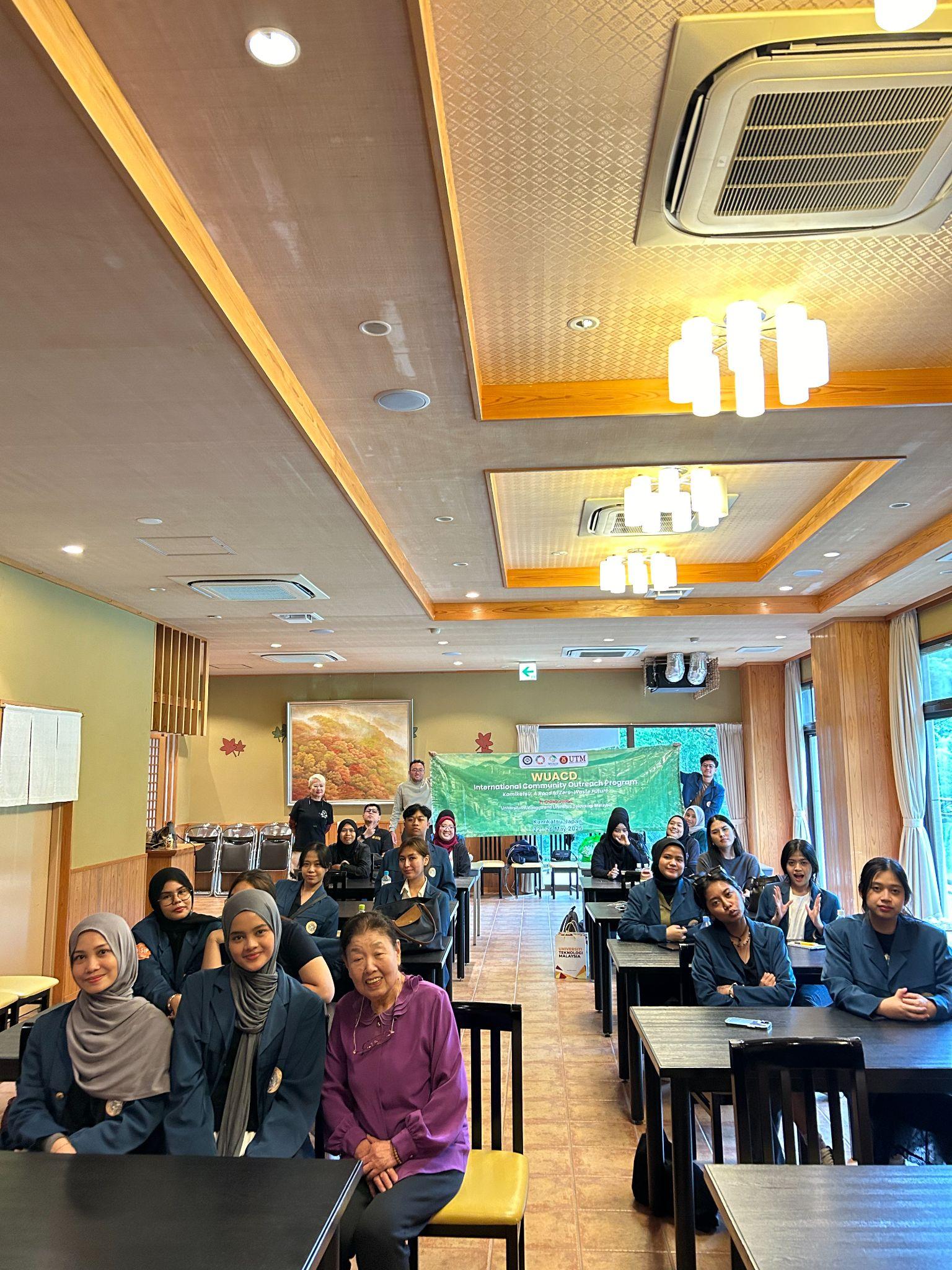
To better understand the human side of the business, participants conducted interviews with Irodori workers. These conversations revealed that beyond the numbers, Irodori provides personal and social transformation. Elderly women who once viewed themselves as dependents now see themselves as contributors. They earn income, receive recognition, and engage with their community on a daily basis. Importantly, the business has adopted a digital ordering platform designed specifically for ease of use by older adults, ensuring they remain active in an increasingly connected economy. This development of technology not only bridges generational gaps but also aligns with SDG 10 on reduced inequalities by ensuring access and opportunity across age groups.
The experience in Kamikatsu offered more than experience. It showed how a small town can turn environmental challenges into economic opportunities through community effort and innovation. From waste sorting to farming and leaf production, each initiative reflected how local economies can thrive when built on inclusion, creativity, and shared purpose. Participants left not only with insights and data, but with a deeper understanding of how sustainability, when rooted in people, can bring lasting economic value for the community.
0 Comments