
BBK International University of Notre Dame Australia 2025: Empowering Communities Through Inclusive and Integrated Welfare Models
Fremantle, a city located on the coast of Western Australia, plays a significant role as a major maritime hub. Beyond its economic activities, Fremantle faces complex social challenges, including homelessness, limited access to healthcare for marginalized communities, and environmental conservation issues. Addressing these challenges has the potential to create a more inclusive and sustainable community, ultimately improving the socio-economic well-being of its most vulnerable communities.
In recognition of this context, students from Universitas Airlangga participated in the Belajar Bersama Komunitas (BBK) International Program in collaboration with the University of Notre Dame Australia. Students collaborated with various local organizations in Fremantle as a way to contribute directly to community initiatives. More than just a volunteer initiative, the program, facilitated by The University of Notre Dame Australia, allowed students to study the operational efficiency and financial impact of various organizations in the social and circular economy sectors. This experience allows them to gain practical knowledge and a deeper understanding of social challenges, empowering them to translate these insights into meaningful action when they return to Indonesia.
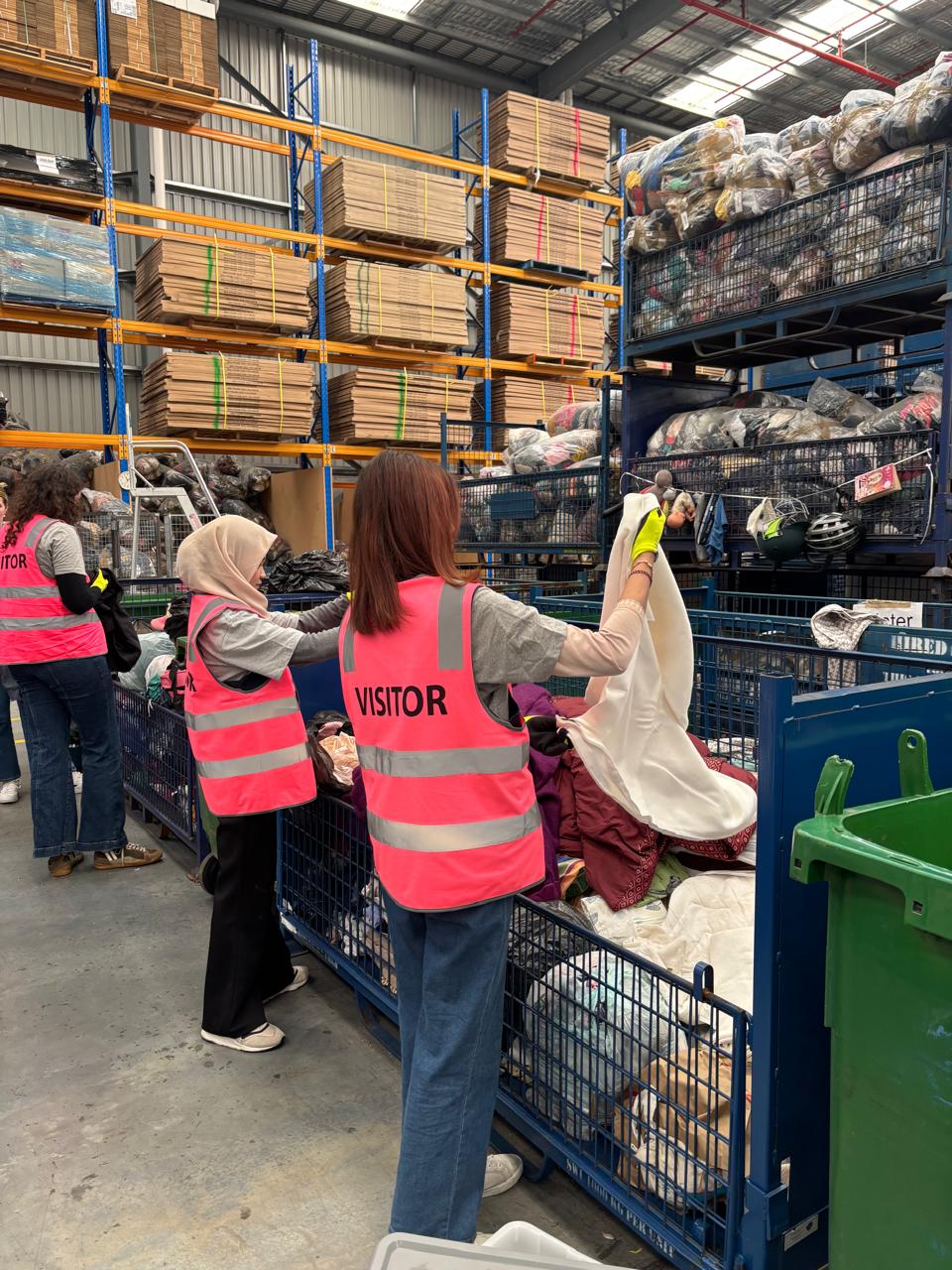
A primary focus was on the circular economy, where waste is transformed into valuable resources. Students engaged directly with Vinnie’s Warehouse on July 29, a facility that drives the second-hand goods economy. They learned the logistics of sorting donations for redistribution through charity shops, a social business model that reduces waste and provides affordable goods. This insight was reinforced by a visit to the Fremantle Recycle Centre, which implements direct economic incentives through the “Containers for Change” program, where the community receives financial compensation for recycling bottles and cans. The recycling center also has a clear fee structure for certain types of waste, demonstrating a financially self-sustaining waste management model. By participating in these activities, students enhanced their teamwork, time management, and attention to detail. Furthermore, this direct involvement fostered a stronger sense of empathy and social awareness, allowing students to understand the practical complexities of resource management and how grassroots initiatives can effectively drive sustainable consumption.
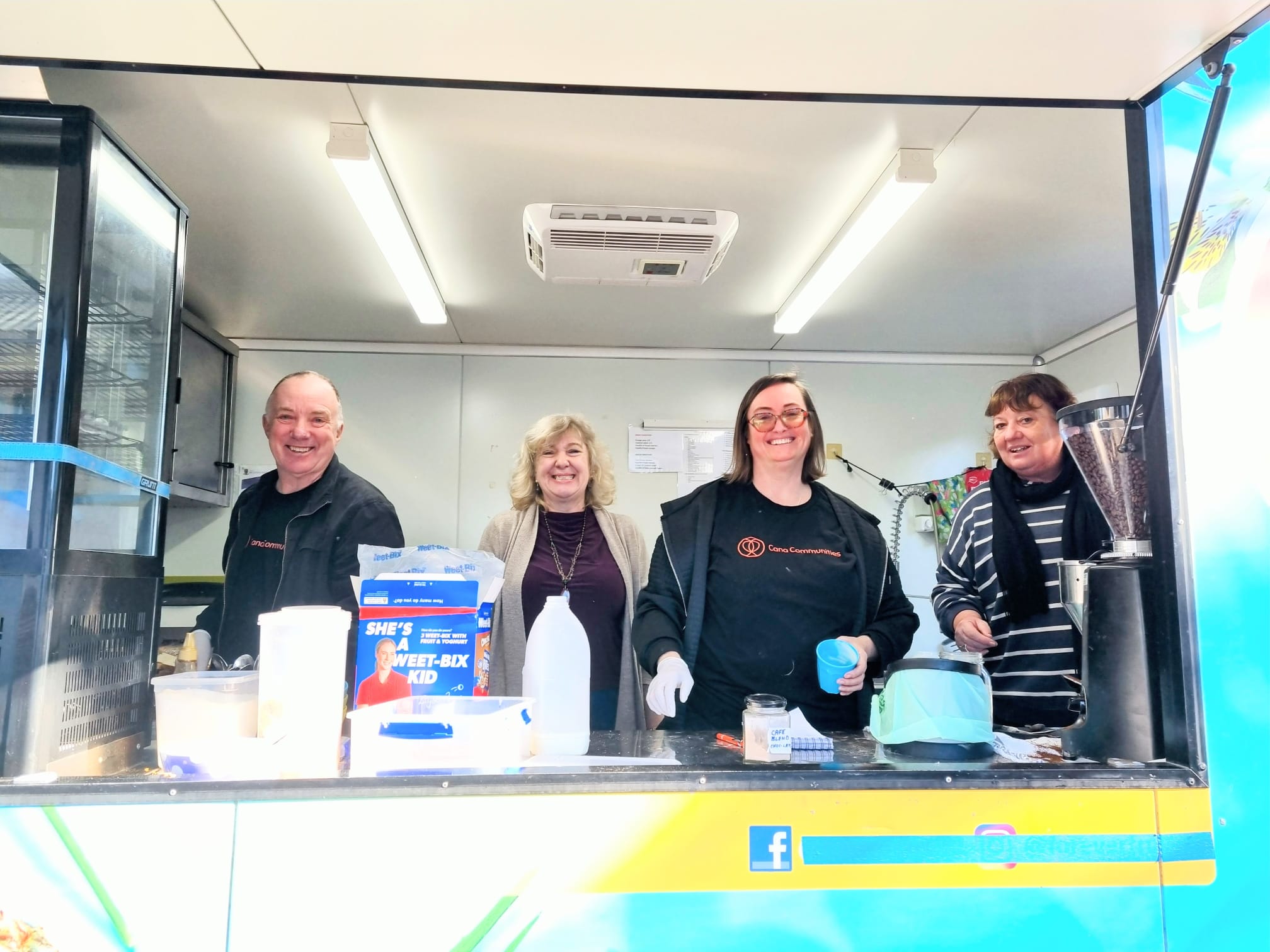
The economics of social support were highlighted during the visit to St. Pat’s Community Centre on July 28. Students observed how the organization efficiently manages resources to provide vital services with significant economic value. In 2023, St. Pat’s successfully distributed 27,701 food aid packages and 1,527 clothing distributions, representing the economic value of goods channeled to the vulnerable community. The operation of an on-site health clinic also shows how social investment can reduce the long-term economic burden on the public healthcare system. Students learned a lot by interacting with professionals and seeing how the center’s integrated approach works. They observed how support systems that combine healthcare, housing, and social work operate in real life. This experience helped them feel a strong sense of social responsibility. It also gave them the skills to analyze and, if desired, create similar inclusive welfare models in their own communities.
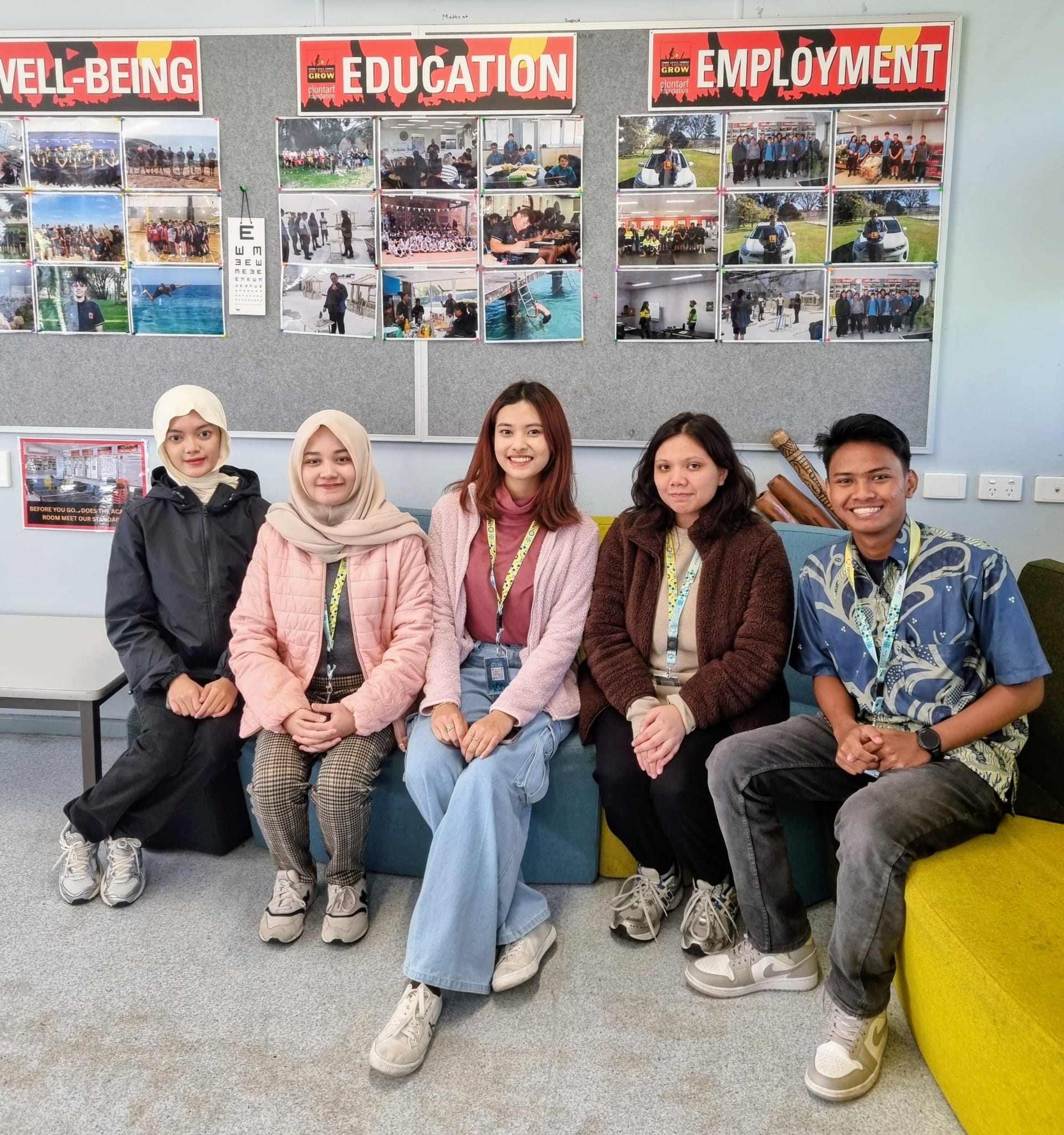
Furthermore, the program underscored economic empowerment as an end goal of social intervention. At Clontarf Academy, students witnessed a program designed to improve the “employment prospects” of young Aboriginal and Torres Strait Islander men. With post-graduation support to find employment, the academy directly aims to enhance their economic participation in society. A similar model was observed at the Walyalup Aboriginal Cultural Centre, which aims to create “economic opportunity for the Aboriginal community through arts and crafts, and cultural tourism”.
Overall, the experience in Fremantle gave students from Universitas Airlangga a holistic perspective on the local economic ecosystem through the BBK Initiative hosted by The University of Notre Dame Australia. They witnessed how nonprofit, circular, and culture-based models not only provide social support but also create tangible economic value. This insight is highly relevant for developing social entrepreneurship and sustainable economic solutions in Indonesia. These diverse initiatives collectively contribute to several Sustainable Development Goals, including SDG 8 (Decent Work and Economic Growth), SDG 11 (Sustainable Cities and Communities), and SDG 12 (Responsible Consumption and Production).
0 Comments