
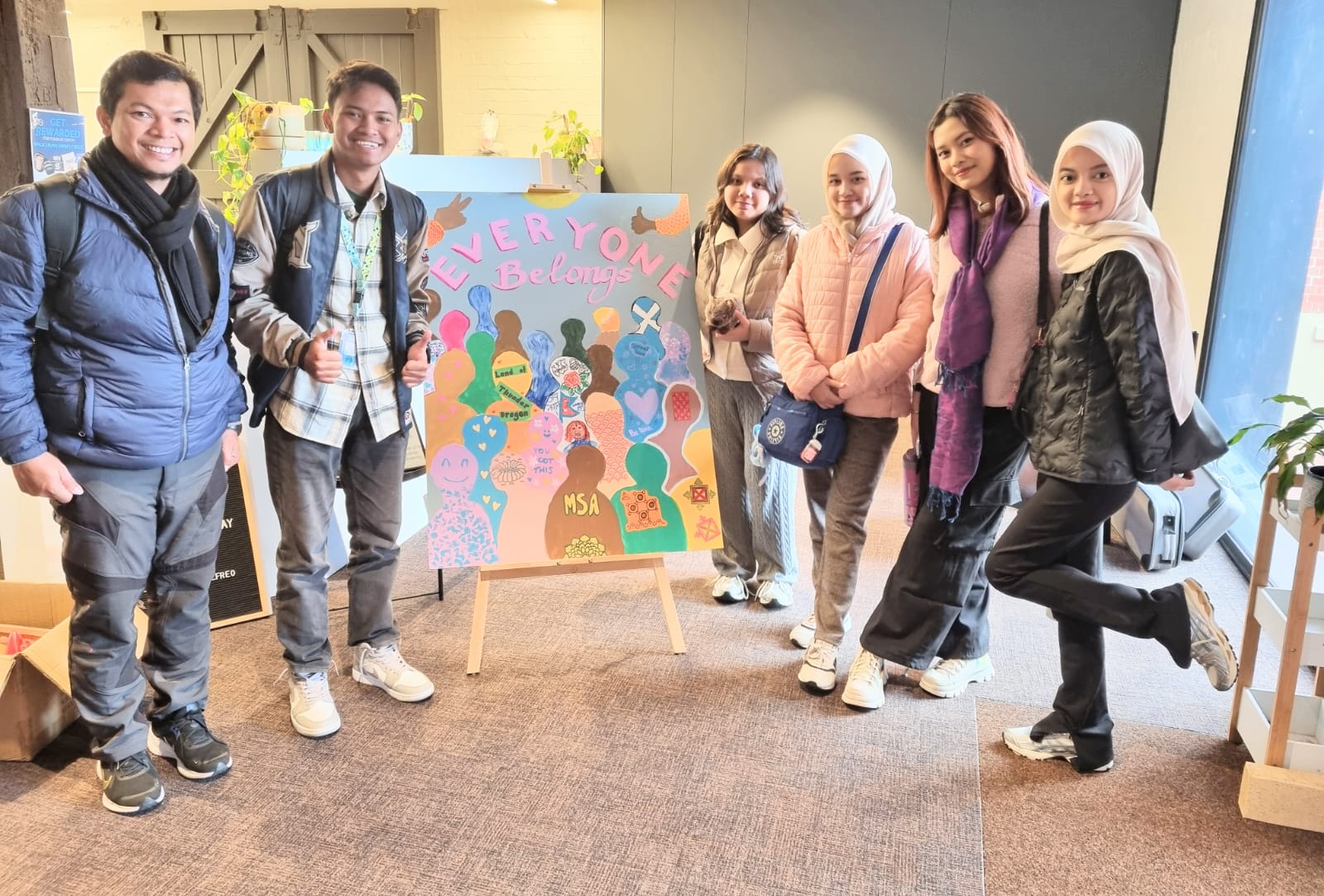
The World University Association of Community Development (WUACD) has once again launched its Belajar Bersama Komunitas (BBK) International program, and this year in collaboration with the University of Notre Dame Australia. Under the program, students from Universitas Airlangga participated in community healthcare initiatives in Fremantle, Western Australia, along with local staff and students. On July 30, 2025, participants joined the Freo Street Doctor on Freeman’s streets to observe and support the clinic by assisting staff and engaging with patients. The purpose of this program was to focus on equal access to healthcare for everyone, specifically individuals who are socioeconomically marginalized. They also aimed to raise public awareness of the importance of preventive health, reduce inequalities in healthcare services, and strengthen a sense of social concern through participation from medical and non-medical volunteers.
The Freo Street Doctor is a mobile clinic non-profit organization operated by Black Swan Health, a nonprofit health services provider in Western Australia that provides primary health, mental health, and disability services to communities in need. The mobile clinic parks at multiple places across the city. With their community-based approach, they offer free basic healthcare services, including medical examinations, immunizations, mental health services, and treatment for chronic diseases, to those who cannot afford or access them, such as the homeless, and to those most in need. The Freo Street Doctor uses medical trucks, and the service is operated by healthcare professionals, assisted by volunteers who want to improve Fremantle’s community health care. This service provides over 4,500 patients annually, with over a third of the patients identifying as homeless, and nearly 40% identifying as Aboriginal and/or Torres Strait Islander. It is also noted that over 80% of their patients have multiple medical conditions.
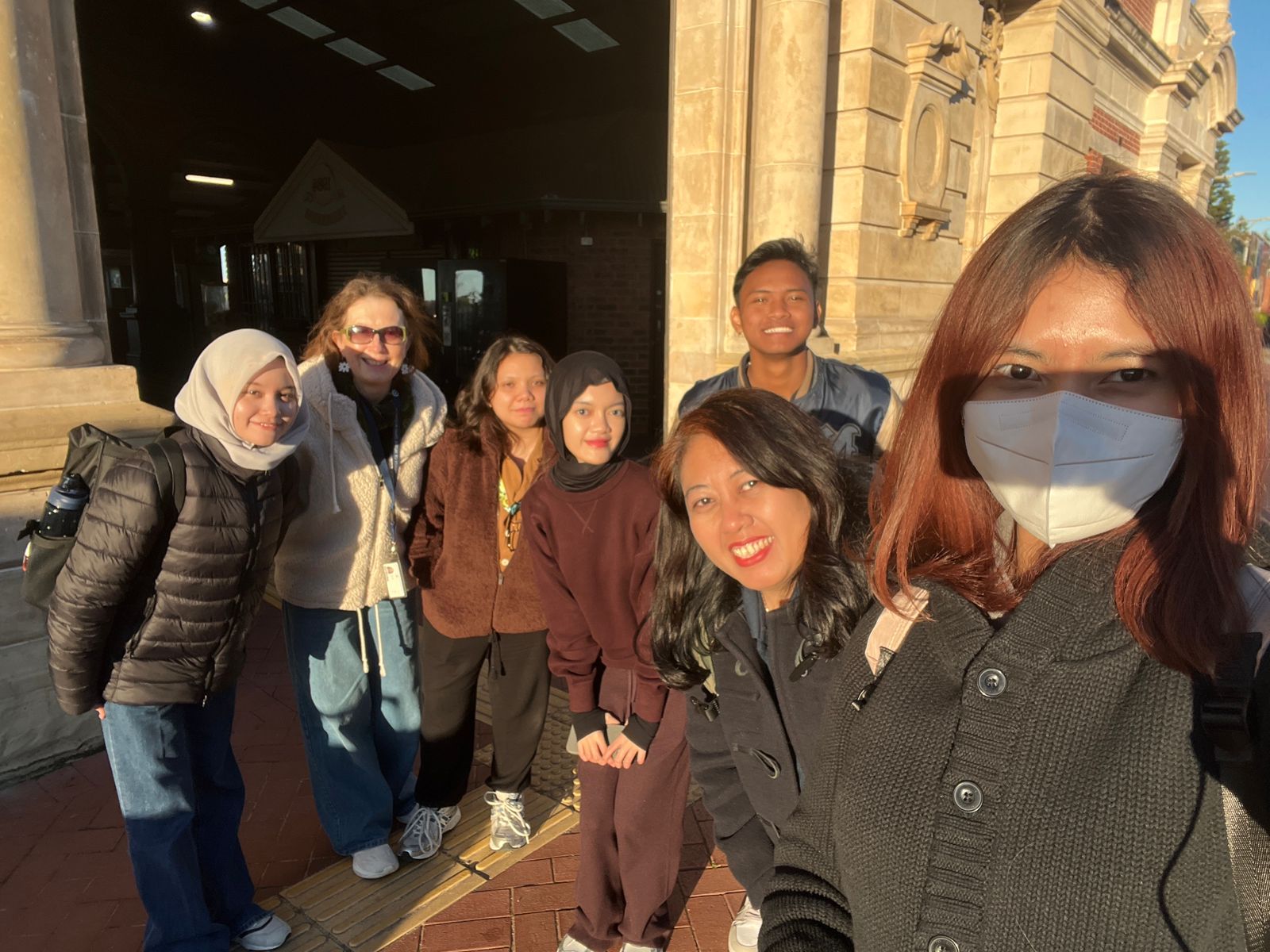
This program aligns closely with some of the United Nations Sustainable Development Goals (SDGs). The program, being the Freo Street Doctor, provides accessible basic healthcare services and preventive services for the community for free, reaching those who really need it indiscriminately, minimizing disparities between people, aligning with SDG 3 (Good Health and Well-being) and SDG 10 (Reduced Inequalities). Freo Street Doctor is managed by Black Swan Health, but they also have the support of the local community, collaborating with local healthcare services, medical professionals, and social services to make the community have better health care, supporting SDG 17 (Partnerships for the Goals). It also highlights the importance of cross-sector partnering to achieve a shared and sustainable social impact. Because the Freo Street Doctor provides inclusive healthcare services to marginalized groups, it reduces access gaps and strengthens the communities further advancing SDG 11 (Sustainable Cities and Communities), and all of that while also providing invaluable training for the next generation of practitioners.
In this initiative program, the students and student volunteers do not just observe and listen but also actively participate in supporting the clinic’s operations by assisting healthcare staff and engaging with the patients. During this time, participants witnessed firsthand the challenges of providing nondiscriminatory healthcare. This experience gave participants a better understanding of healthcare issues and a firsthand look at how grassroots health services address inequality in access to healthcare and how local grassroots organizations are working to bridge that gap. Like in Western Australia, Indonesia also has a similar program to the Freo Street Doctor known as the Mobile Community Health Center (Puskesmas Keliling), an initiative focuses on addressing the challenge of limited access to healthcare in rural areas in Indonesia. By participating in such initiatives, students gain valuable experience in addressing healthcare disparities and promoting equitable healthcare, aligning with global goals like the UN SDGs.
0 Comments