
Terengganu, a city located on the east coast of Peninsular Malaysia, is renowned for its tourism and marine resources, which are its main industries. Agriculture also plays a significant role in Terengganu’s economy, particularly with tropical fruits, and there is a growing focus on the production of Kelulut honey. This honey production has the potential to serve as a viable source of income, improving the socio-economic status of entrepreneurs, whether they are small-scale or commercial. Recognizing this potential, students from Universitas Airlangga visited Taman Kelulut Ayahku, one of the Kelulut honey production sites in Terengganu, as part of the Belajar Bersama Komunitas (BBK) International Universiti Malaysia Terengganu 2025. Their visit aims to foster knowledge exchange and experience at Taman Kelulut Ayahku regarding the production of Kelulut honey, as well as to explore its potential benefits for the socio-economic well-being of the community.
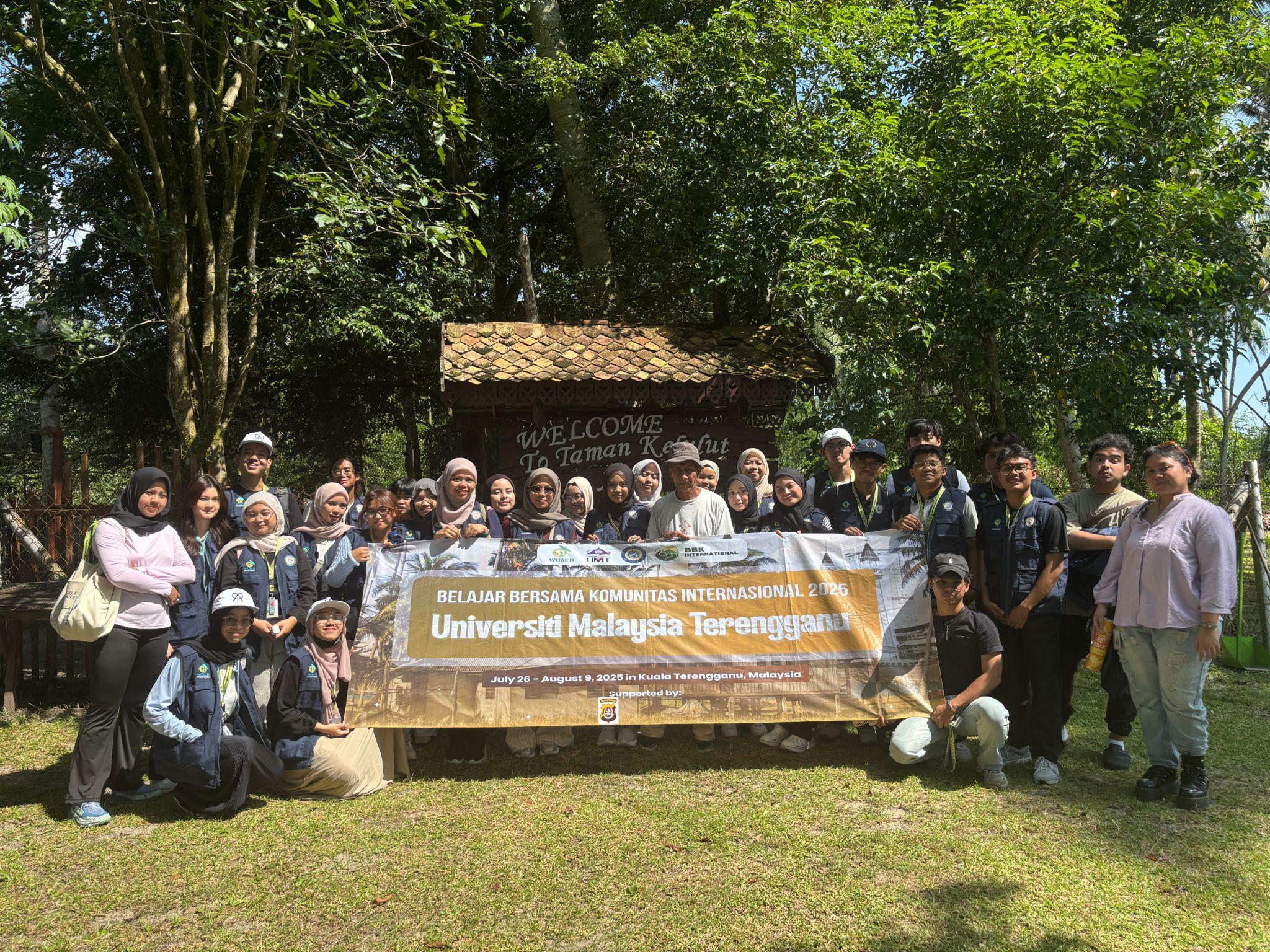
Taman Kelulut Ayahku is a family-owned kelulut honey production facility in Terengganu. The owner invited students from Universitas Airlangga to observe the kelulut beehives situated in a garden filled with flowers and wild plants. This initiative not only offers valuable learning opportunities but also highlights the importance of selecting the right location for beekeeping. Choosing an optimal site for kelulut beekeeping is essential as it influences both the quality and quantity of honey produced. Ideal locations should be close to reliable water sources and provide a rich supply of food for the bees. Kelulut bees thrive on flowering plants that provide nectar (their primary food) and pollen (a food source for honeybee larvae, offering protein, vitamins, and minerals). Additionally, bees require resin to construct and protect their hives from disturbances. It is important to ensure that the beekeeping area is distanced from agricultural lands that use pesticides, as these chemicals can negatively affect the quality and efficacy of kelulut products.
The surrounding vegetation significantly contributes to the flavor profile of kelulut honey. For instance, in areas where Gelam trees are prevalent, the honey tends to have a herbal and slightly bitter taste, while in tropical forests, the flavor can be sweeter or more complex. Moreover, kelulut honey is notably thicker than conventional honey, with just one spoonful being equivalent to ten spoonfuls of regular honey. Harvesting is usually done every five weeks, allowing for the collection of this unique and nutritious product. The main benefits of honey for health are to help boost the body’s immune system. Ultimately, kelulut honey embodies a beautiful synergy between humans and nature, celebrating the richness of this remarkable relationship.
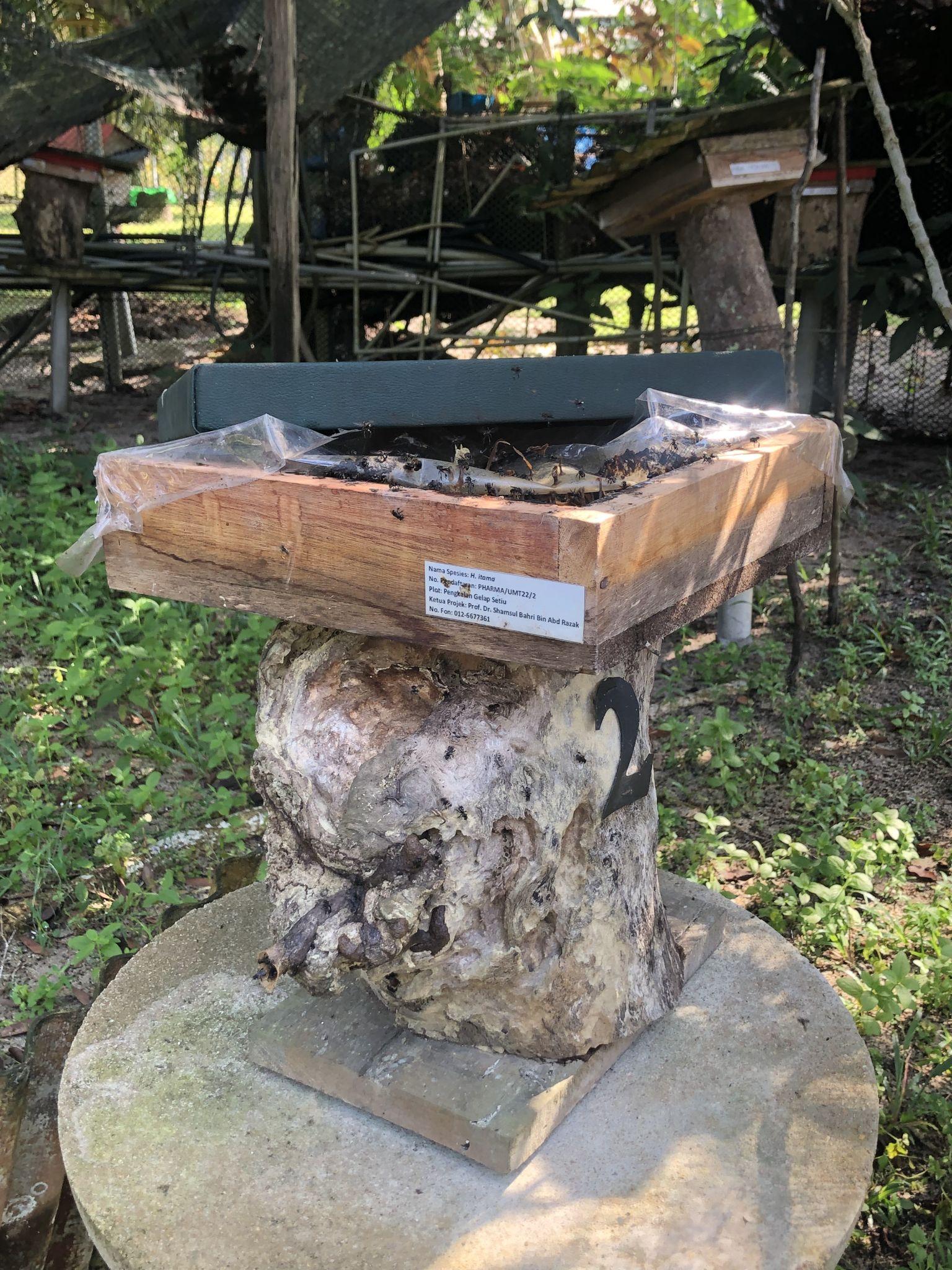
From this experience, students know that Kelulut bee colonies live in a well-organized social structure, where a single queen is responsible for reproduction, while 80–90% of the colony consists of female worker bees that forage for nectar and maintain the hive. The kelulut bee colonies are effectively housed in hive boxes (box-shaped hives), which are carefully designed and placed on top of wooden logs. It is constructed from dry wood planks; these hives are free from chemicals and odors, ensuring a safe environment for the bees. This thoughtful approach to beekeeping not only supports the bees’ health but also contributes to the production of pure and high-quality kelulut honey.
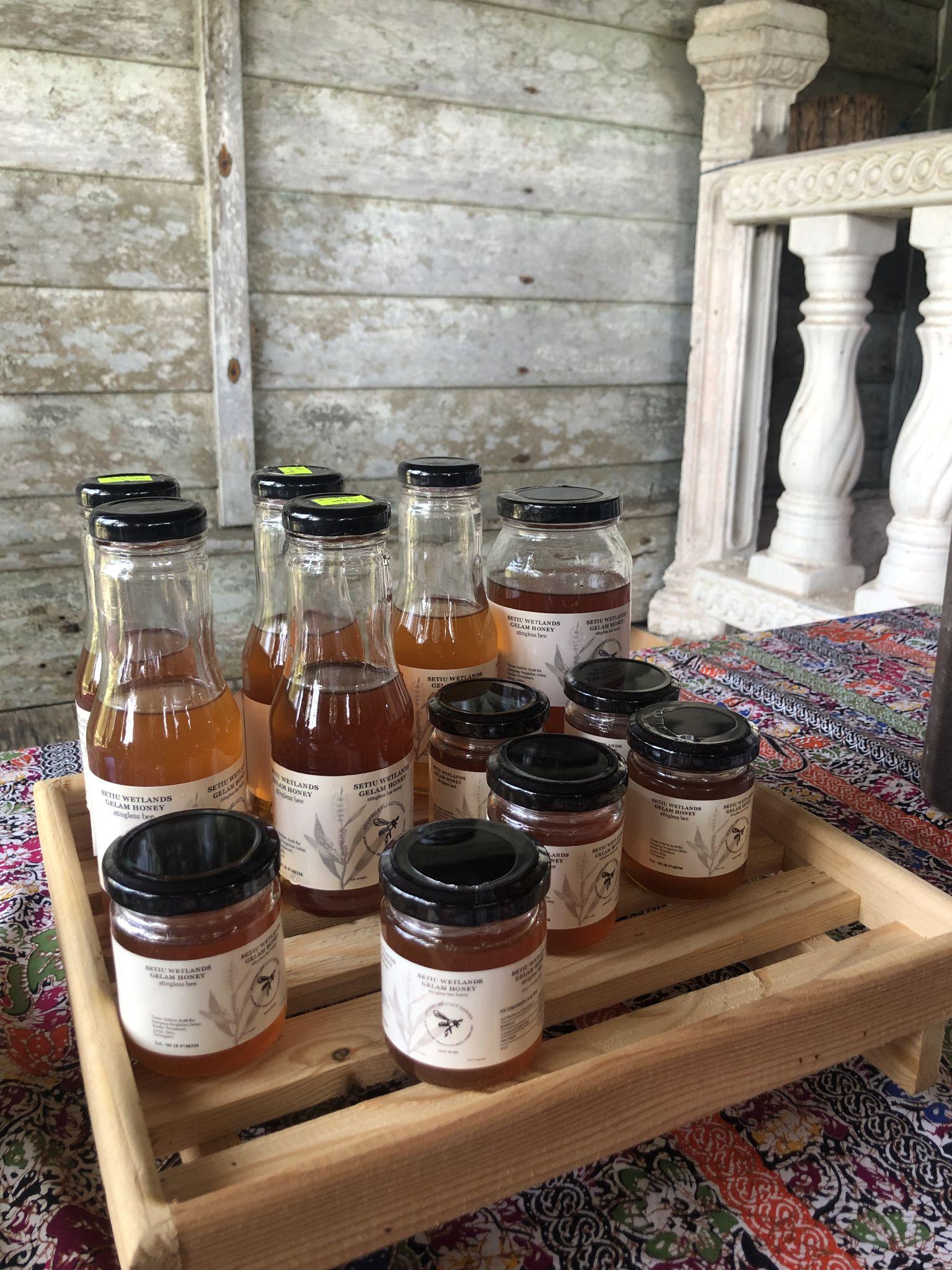
Through these activities, students have the opportunity to explore the process of producing Kelulut honey and discover its potential benefits for human health and the socio-economic well-being of the community. Currently, Kelulut honey production faces challenges in competing with regular honey in the market. However, by focusing on community involvement and innovative local governance to support Kelulut honey production, this has started to positively affect the community’s socio-economic welfare by supporting beekeepers and promoting Kelulut honey. Kelulut honey production exemplifies the Sustainable Development Goals (SDGs) 3 (Good Health and Well-Being), 8 (Decent Work and Economic Growth), and 15 (Life on Land). This initiative serves as an inspiring model for making a positive impact on the global socio-economic community.
Great post.