
As part of the BBK International Program, organized by the World University Association for Community Development (WUACD) in collaboration with Federation University, students embarked on an immersive educational journey in Australia, engaging in a series of activities that provided firsthand exposure to academic institutions, industrial sectors, and community-driven initiatives. Hosted in Federation University Gippsland, this program aimed to expand participants’ global knowledge and professional insights while fostering a deeper understanding of cross-cultural collaboration. Through direct engagement with experts and practitioners in various fields, the program aligned with several Sustainable Development Goals (SDGs), particularly SDG 4 (Quality Education), SDG 9 (Industry, Innovation, and Infrastructure), and SDG 3 (Good Health and Well-being), reinforcing the importance of international education, sustainable industrial practices, and accessible healthcare systems.
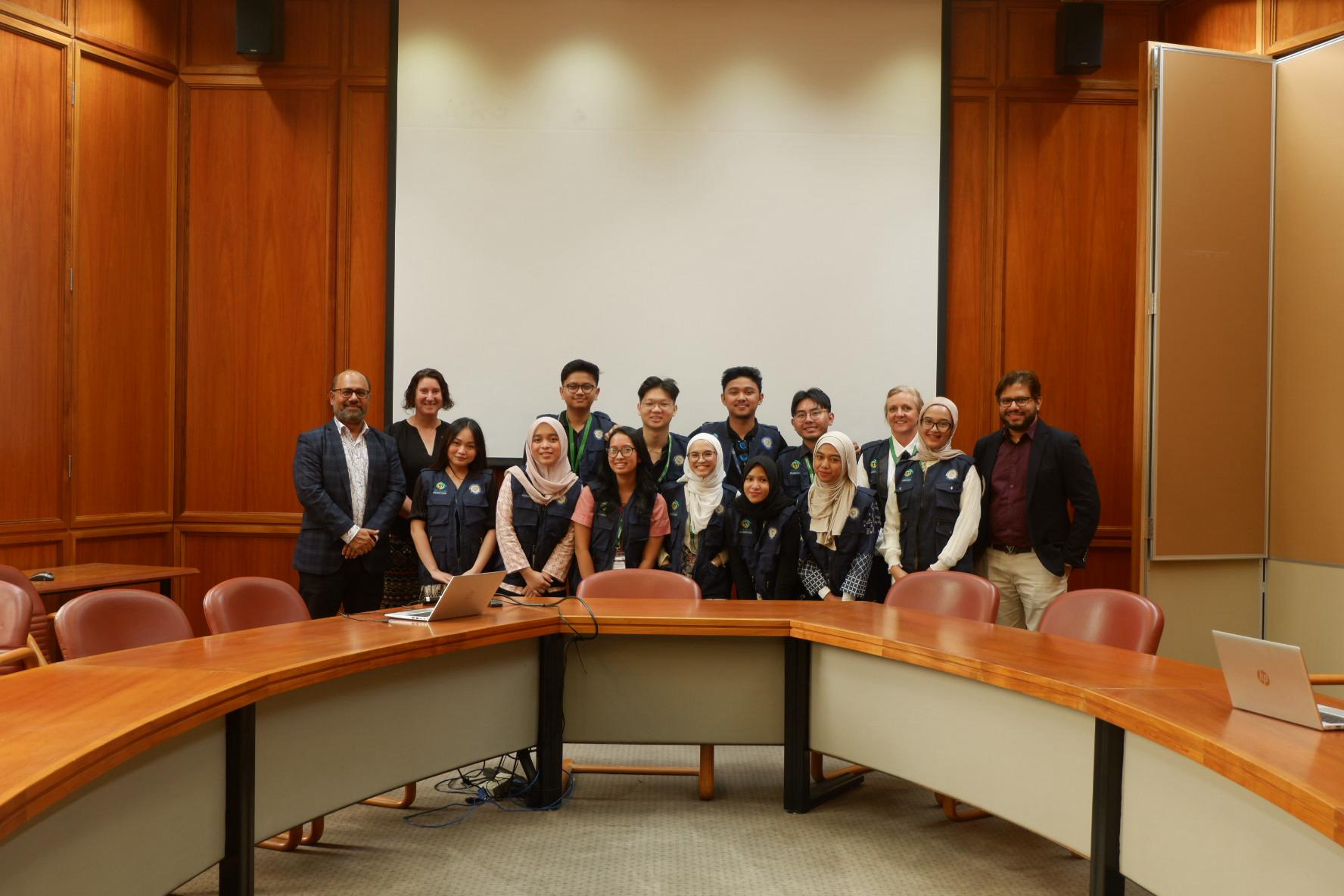
The program commenced on January 28, 2025, with a visit to Federation University Gippsland, where participants were introduced to Australia’s higher education system through a campus tour that covered lecture halls, research centers, student support facilities, and laboratories. This visit provided valuable insights into academic methodologies, student engagement strategies, and research innovation, allowing students to compare and contrast these elements with their experiences at Universitas Airlangga, their home university. Engaging discussions with faculty members and students also opened up possibilities for future academic collaborations and exchange programs, fostering long-term connections between institutions. Participants noted how the structured support systems at Federation University, particularly in research development and student services, provided an enriching learning environment that could serve as an inspiration for higher education improvements in their home country.
On January 29, 2025, the program shifted focus to industrial exposure to enrich students’ knowledge in a broader context with a visit to the Latrobe Valley, an essential hub for Australia’s energy production and manufacturing industry. Participants explored industrial sites in Morwell, Moe, and Traralgon, where they observed key operations in power generation, manufacturing, and resource management. The visit emphasized sustainable industrial practices, demonstrating how regional companies balance economic growth with environmental responsibility. Industry experts provided insights into the implementation of cleaner energy solutions and innovative industrial processes, highlighting the region’s role in supporting national energy needs while maintaining sustainable policies. This experience allowed participants to critically assess industrial advancements in Australia and explore potential applications for improving industry and infrastructure in Indonesia. The visit also sparked discussions on how developing nations can adopt environmentally conscious industrial policies without compromising economic development, reinforcing the critical balance between innovation and sustainability.
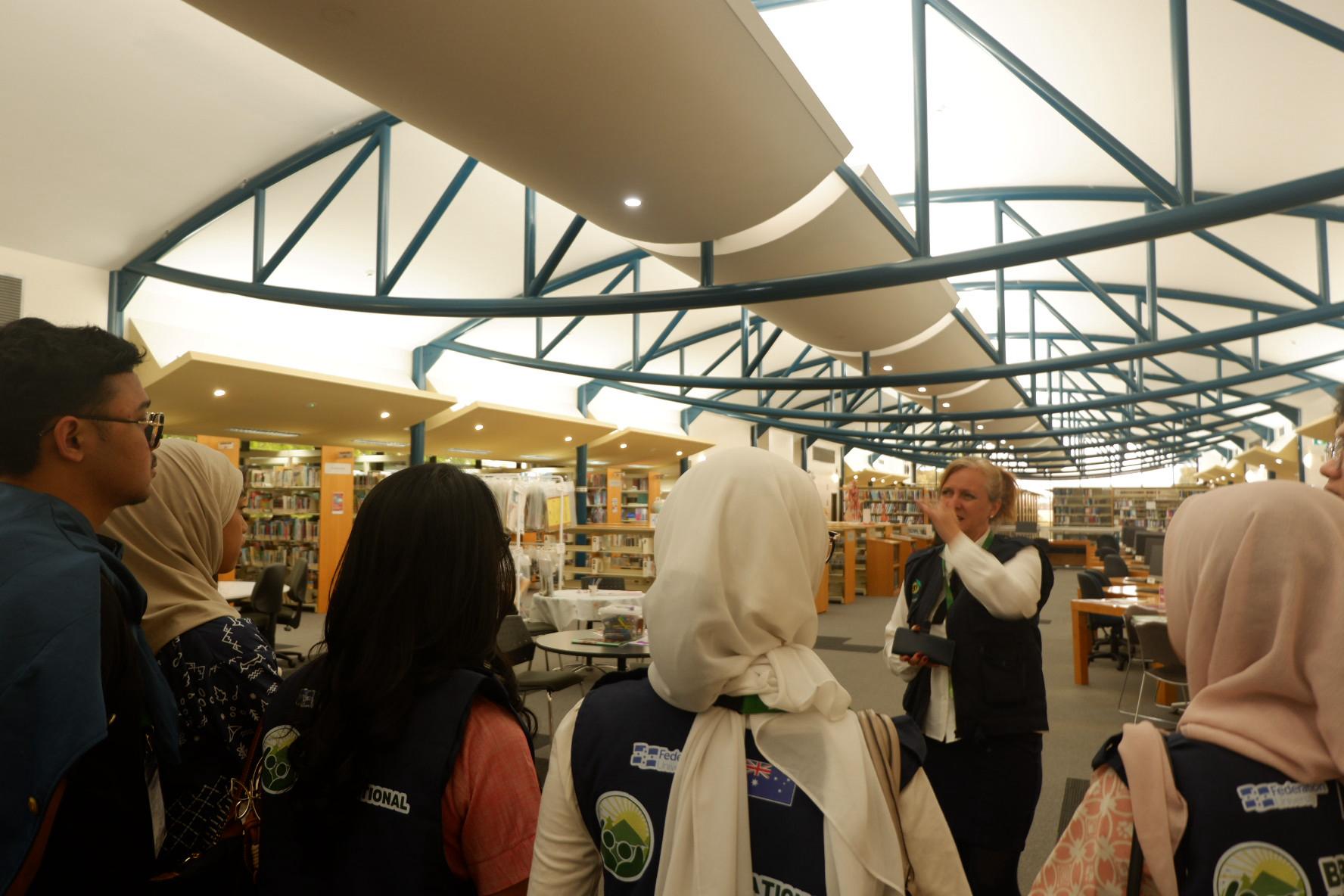
As the program progressed, participants gained knowledge from another perspective on community engagement and social welfare on February 5, 2025, with a visit to Well-being Emotional Support (WES). This initiative provided an opportunity to interact with local communities and gain a deeper understanding of the challenges faced by individuals in need of mental health support, public healthcare services, and social assistance programs. By observing how WES operates, participants learned about community-driven health initiatives and the role of public welfare organizations in bridging gaps in healthcare accessibility. Engaging discussions with social workers and healthcare professionals shed light on the importance of integrated mental health services and social support networks in improving overall community well-being. The visit allowed students to reflect on the role of grassroots initiatives in shaping public health policies, emphasizing how localized solutions can create lasting impacts on broader healthcare systems.
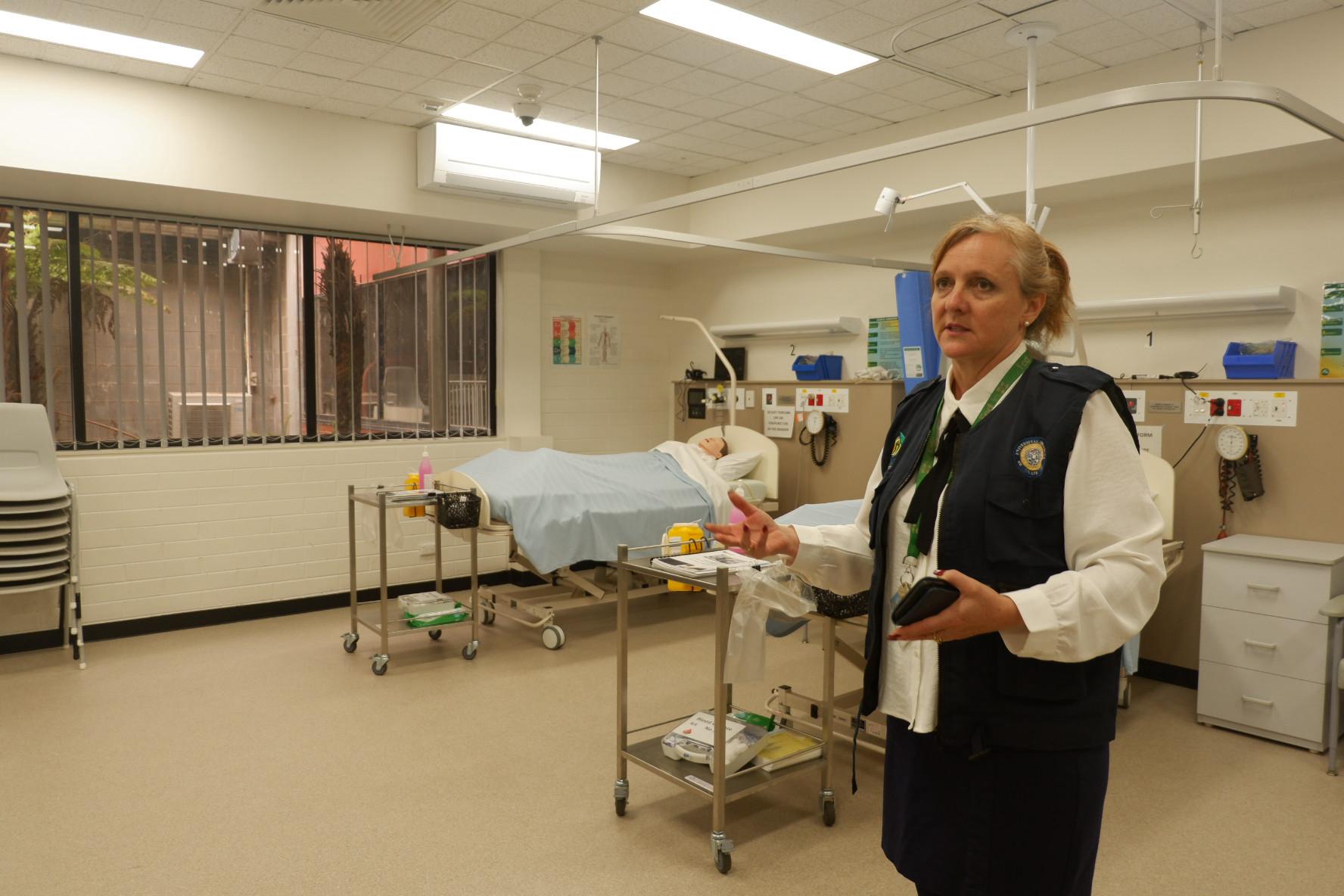
Through these diverse activities, participants of BBK International gained comprehensive exposure to global education systems, industrial sustainability, and community-driven healthcare solutions. The program provided theoretical insights and encouraged participants to engage in critical discussions and practical learning experiences. By integrating academic exploration, industrial site visits, and community engagement, this initiative successfully bridged the gap between theoretical knowledge and real-world applications. The experience reinforced the importance of global collaboration in education, industry, and healthcare, equipping participants with the knowledge and skills necessary to contribute to sustainable development efforts in their respective fields. As the BBK International Program continues, it remains a valuable platform for Universitas Airlangga students to enhance their academic and professional competencies while building meaningful international connections.
0 Comments