
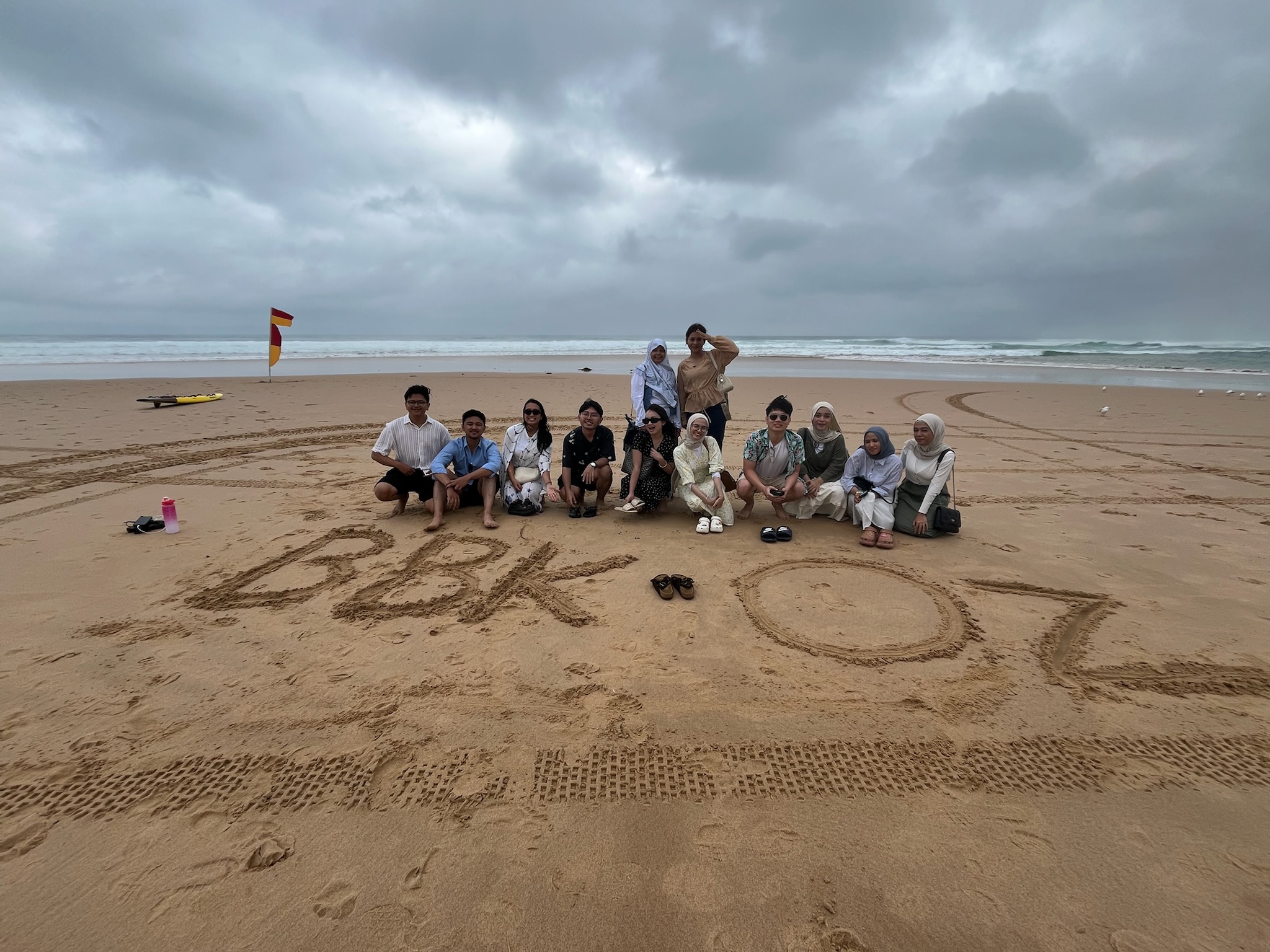
In a significant step towards promoting global biodiversity and sustainable conservation, BBK International 2025 at Federation University allowed participants to explore efforts aimed at protecting Australia’s native wildlife and habitats by visiting Phillip Island Nature Parks. This visit aligned with the United Nations’ Sustainable Development Goal (SDG) 15: Life on Land, which emphasizes the preservation of ecosystems and biodiversity. Australia is home to some of the world’s most unique wildlife and habitats, including kangaroos, koalas, and Australian fur seals, where these species are found nowhere else on Earth, making their conservation critical to global biodiversity. Phillip Island is a crucial conservation site due to its diverse ecosystems and active restoration programs. The island’s conservation infrastructure is particularly well-developed, focusing on sustainable tourism and ecological preservation, making the site worth visiting to facilitate students to grasp a deeper understanding of the Australian native wildlife and habitats
During the visit, participants gained firsthand insight into the threats facing native species such as the Little Penguin, koalas, and Australian fur seals. Key challenges include habitat loss, climate change, and the impact of invasive species. The Phillip Island Nature Parks guide provided detailed overviews of ongoing initiatives, including habitat restoration, population monitoring, and disease management strategies.
By seeing these conservation efforts in action, participants developed a deeper appreciation for the importance of protecting biodiversity. The experience fostered an emotional connection with wildlife and inspired advocacy for conservation practices. Many are committed to supporting sustainability efforts, promoting habitat protection, and raising awareness about the environmental challenges affecting Australia’s unique species.
0 Comments