
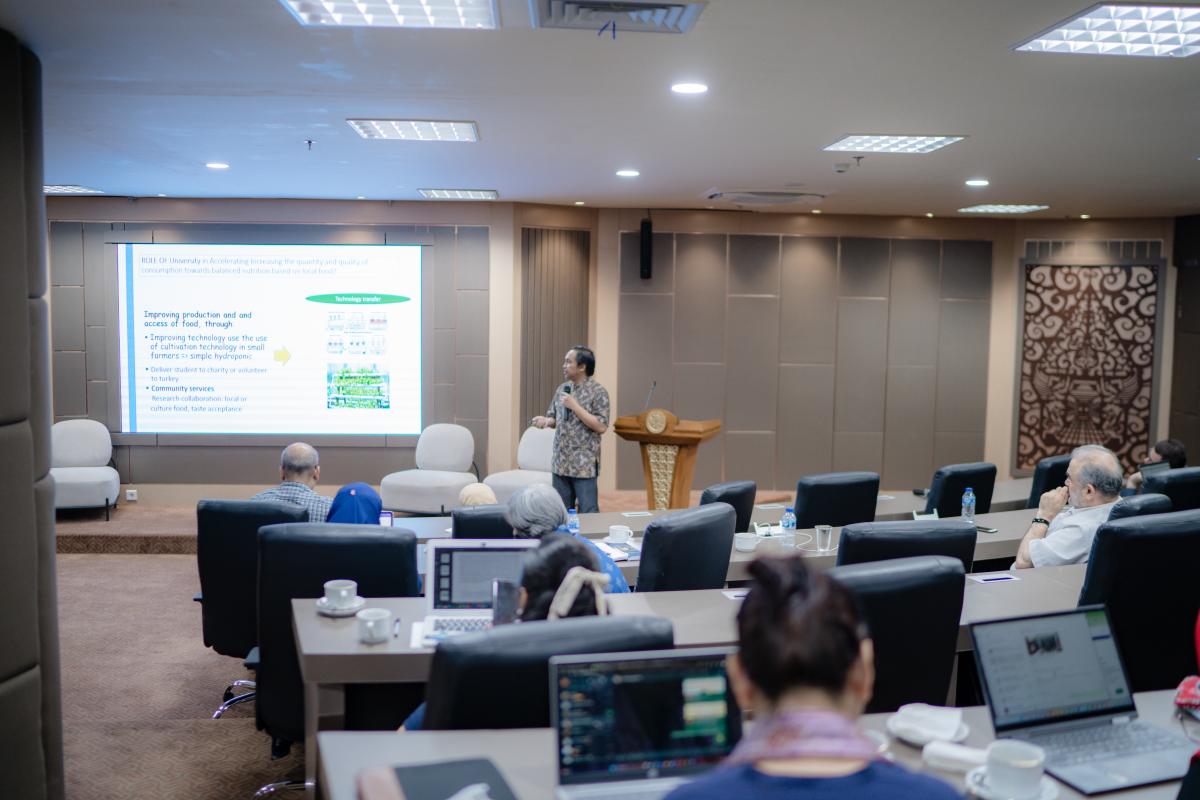
Turkiye earthquakes already impacted 55.000 dead and 130.000 injured which is in line with the victims losing their houses and their sources of life. Most of the lands, by almost 11 provinces, as the key of the agricultural sector were impacted. The emergence of the effect of disaster brings threat limitation of food stocks and production such as fisheries, animal husbandry, seed reserves, and distribution.
The limit of food stocks throughout families led to further effects which affected their nutritional and health quality. Moreover, the consistency of food stocks would give a big support to recovery especially the basic needs of human life in the first level. The progress consists of emergency food assistance, soup kitchens, child nutrition, snap education, gardening, farmer’s markets, food production farms, youth education, mentor, and promoter. The impact of losing resources has a big effect on the demand by food customers.
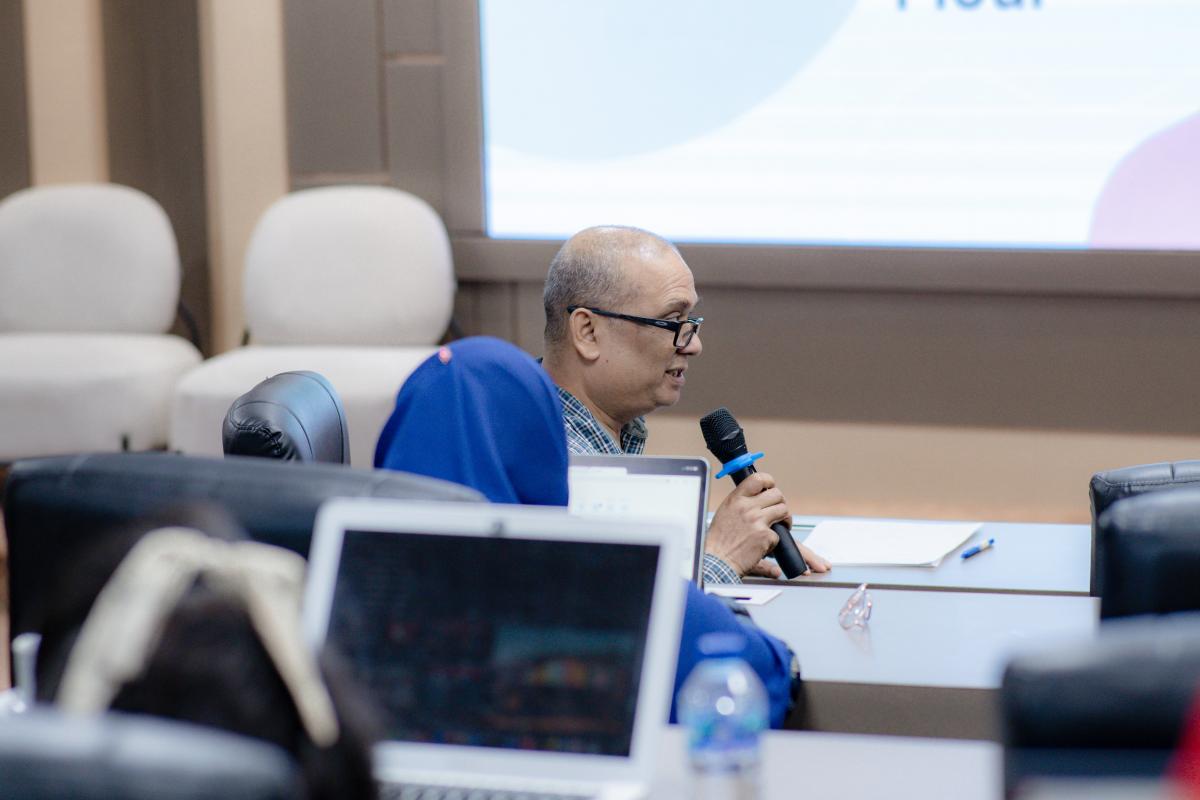
In an effort to fill the demand, Turkish stakeholders have already planned an Alternative Foods Network (AFN) with strengthening access to healthy food using community services and technology farmers. This topic was discussed at the Focus Group Discussion held by WUACD Universitas Airlangga “Focus Group Discussion: Post-Disaster Recovery Türkiye Earthquake” on 23-24 May 2023 with a big contribution of the representatives from Prince of Songkla University, Universitas Airlangga, Daffodil International University, De La Salle University, and Bahria University at the forum. The topic discussion was led by Prof. Dr. Ir. Annis Catur Adi. In conclusion, recovery with basic needs could not be done if just provided by one party in the process. A quick recovery could be successfully done if the cooperation between the parties totally supported each other.
0 Comments