
The reality of the field is that immigrants who return to Indonesia have some problems that put them in need of assistance and protection from our country. Some come home with skin diseases, infectious diseases, mental disorders, loss of parents, being deceived, and even getting into legal trouble with the country where they work, which is worse when they lose everything they make because of problems arising from their household. The reality of the problem requires continuous activities to empower them, their physical and mental well-being, low awareness of legal protection, financial problems, and reporting mechanisms for violence and fraud, low digital literacy, and other problems that arise when they leave so that they can start over in this country in peace.
Universitas Airlangga is obliged to respond actively to the phenomenon of former Indonesian Migrant Workers to the community, conduct research, and transfer research results to solve Indonesia’s national problems. By implementing the sustainability of the previous program which was entitled “Migrant Workers Empowerment”, WUACD is committed to improving the well-being of Indonesian migrant workers. Therefore, WUACD initiated the discussion of migrant workers issues with several stakeholders, applying the penta-helix approach. The implementation of the penta-helix approach involves the collaboration of five key actors: government, industry, academia, civil society, and individuals.
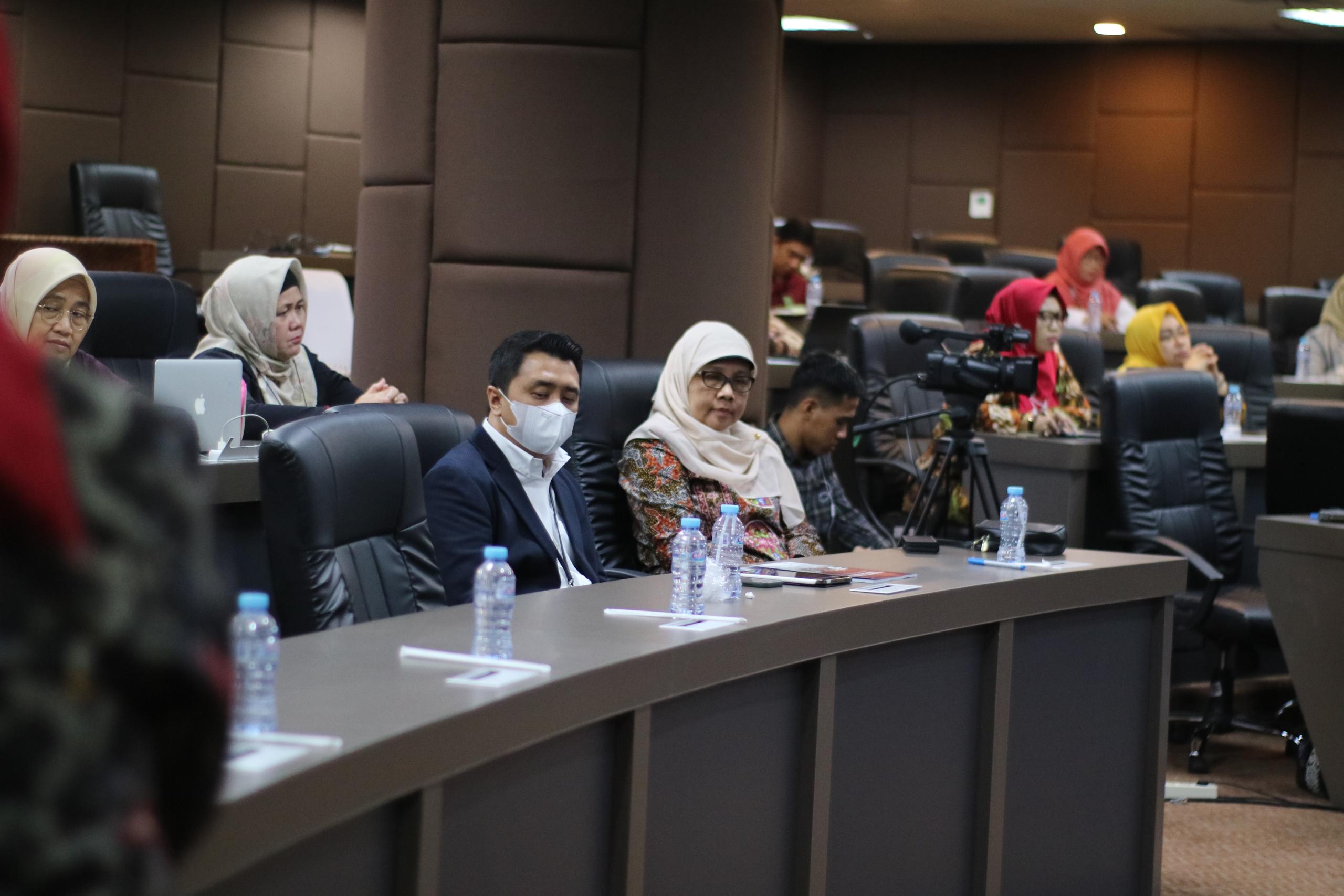
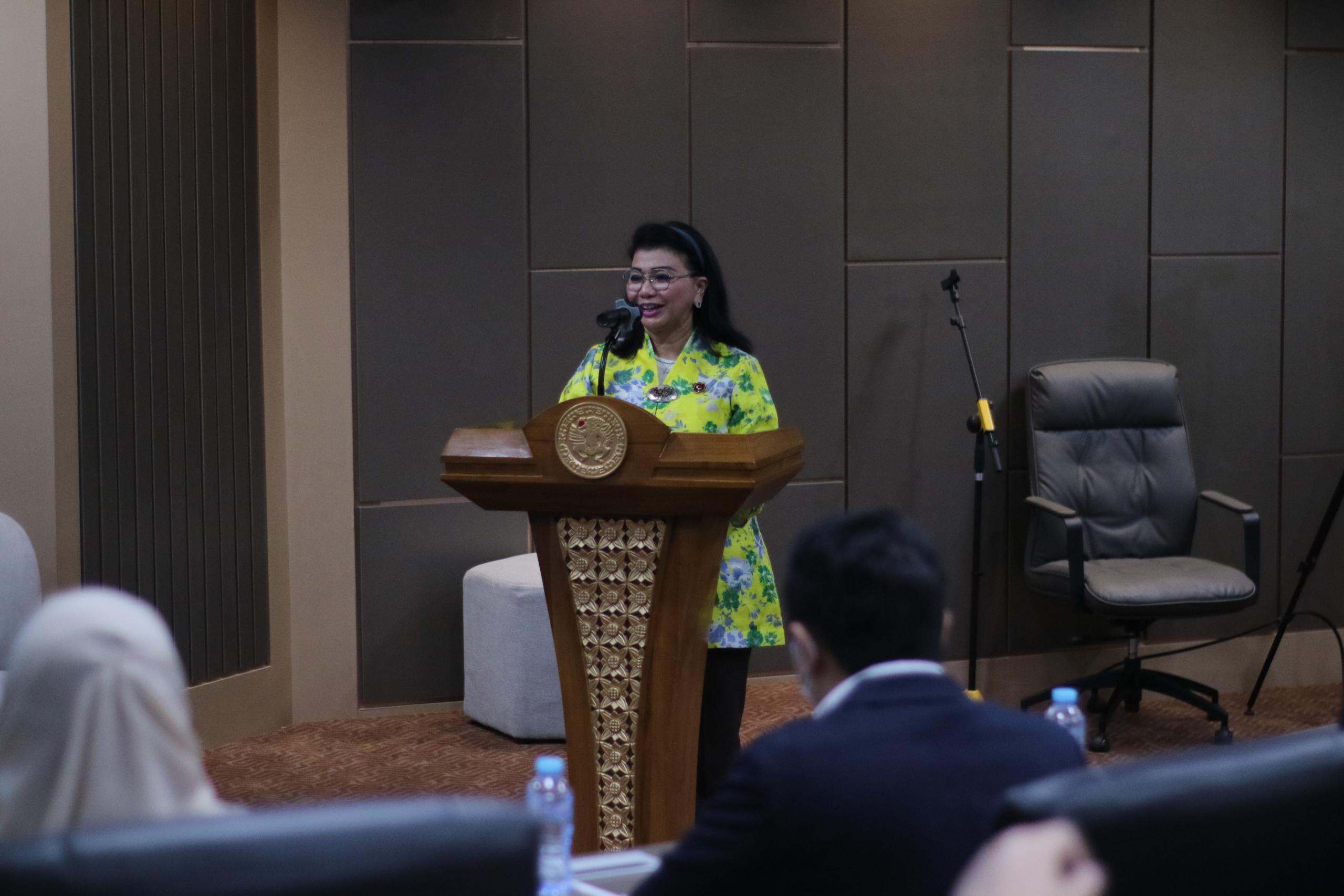
Conducted on 15 March 2023, this focus group discussion was led by Prof. Dr. Ni Nyoman Tri Puspaningsih and Dr. Pratiwi Soesilawati and attended by the vice dean of each faculty at Universitas Airlangga, the Agency for Manpower of East Java, the Agency for Social Affairs of East Java, representatives of Bank Rakyat Indonesia (BRI), and several other stakeholders who also attended virtually. By inviting them at Universitas Airlangga to discuss migrant worker empowerment issues, a multi-stakeholder platform is created to share knowledge and expertise, identify challenges, and co-create solutions. This approach can lead to more holistic and sustainable outcomes as diverse perspectives and resources are brought together to address the issue.
0 Comments