
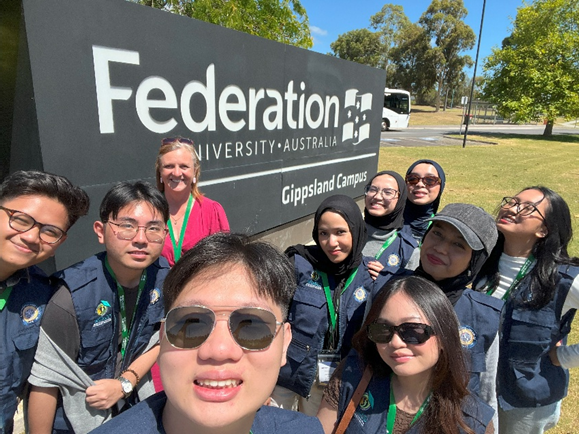
In the early months of 2025, Universitas Airlangga and Federation University conducted a good and insightful collaboration under the BBK International program through WUACD. This collaboration was beneficial not only for the Universitas Airlangga students themselves, but also for the healthcare community in Indonesia. These programs focused on a few points of the United Nations Sustainable Development Goals, such as Good Health & Well-being (SDG 3) and Quality Education (SDG 4). Throughout the various visits and activities, the participants achieved these objectives.
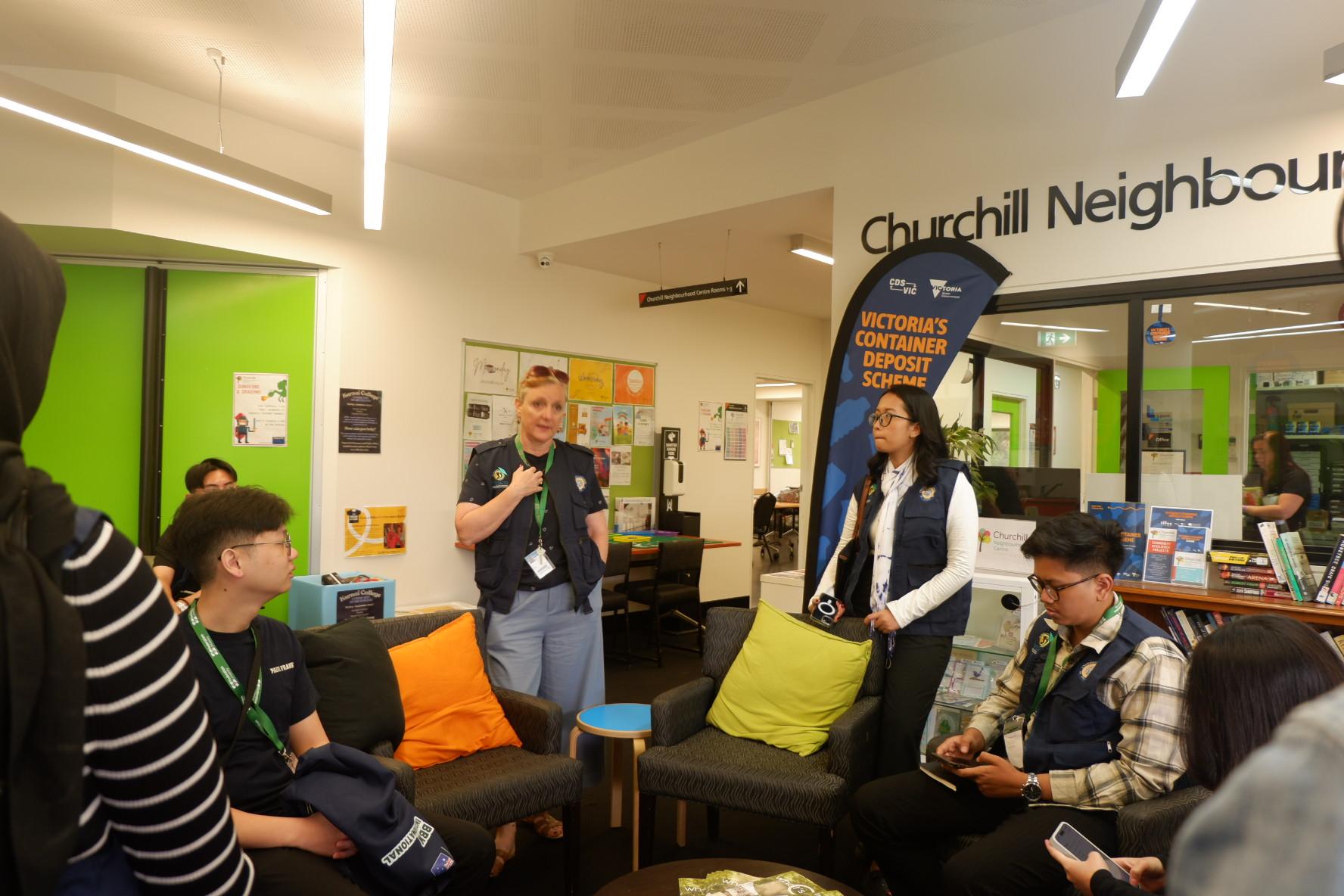
The first stop for these activities was for the Dental Healthcare System Observation. On January 29th, the participants visited one of the dental clinics in Churchill to observe the facilities in the clinics, interact with professionals, and learn about government-funded dental health programs. During the visitation, the students gained a lot of insight into the structure and accessibility of Australia’s dental care system. Besides that, this visitation also had an impact on the fields of understanding the role of Medicare in providing accessible dental care. This activity highlighted the promotion of an accessible dental healthcare system in Australia.
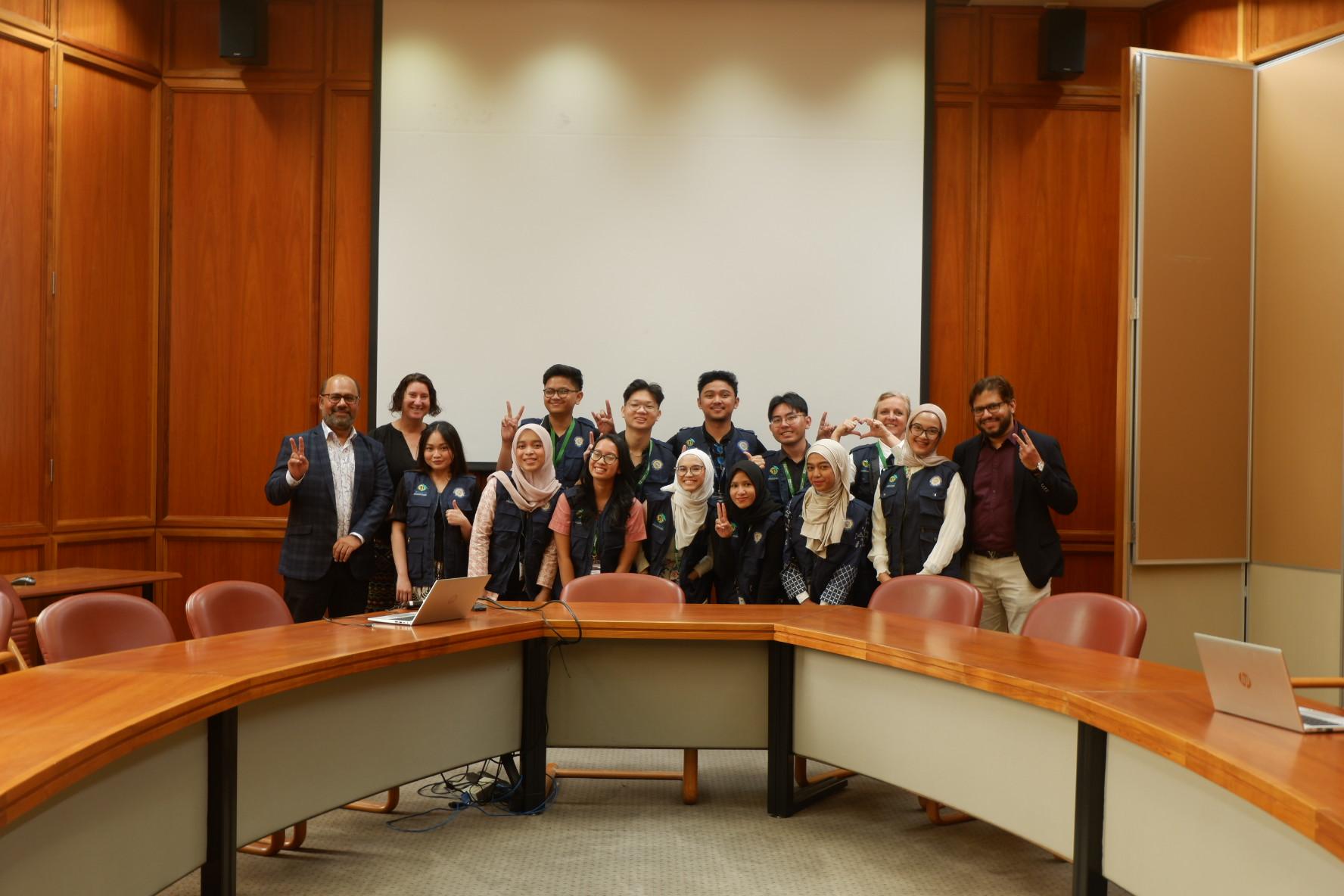
The next activity carried out by participants was attending a lecture on the introduction to public health. Participants participated in the lectures by Dr. Nicole Coombs, which discussed the understanding of public health principles on February 3rd. This lecture was held at Federation University Gippsland, Australia. This activity gave a lot of insightful knowledge about the public health principles. The highlight of this activity was promoting knowledge about public health education at institutions. This activity not only enhanced their academic knowledge but also empowered them to apply public health concepts in practical
settings and prepared them for meaningful contributions in their future roles.
Another activity in the program included visits to Ambulance Victoria. This visitation was held on February 3rd at Federation University Gippsland. During this activity, participants had the opportunity to learn about the structure and operations of emergency medical services (EMS), the role of paramedics, and the technology used in emergency health services. This activity provided insights for the participants of Australia’s emergency healthcare systems.
By learning from Australia’s EMS model and actively participating in training and preparedness programs, the students were encouraged to help strengthen emergency healthcare systems locally. These experiences not only benefited their personal and professional development but also contributed to building safer, more resilient communities in Indonesia in the future. The highlight of this activity was to emphasize the importance of effective emergency medical services and provide valuable experiential learning for participants interested in healthcare and emergency response.
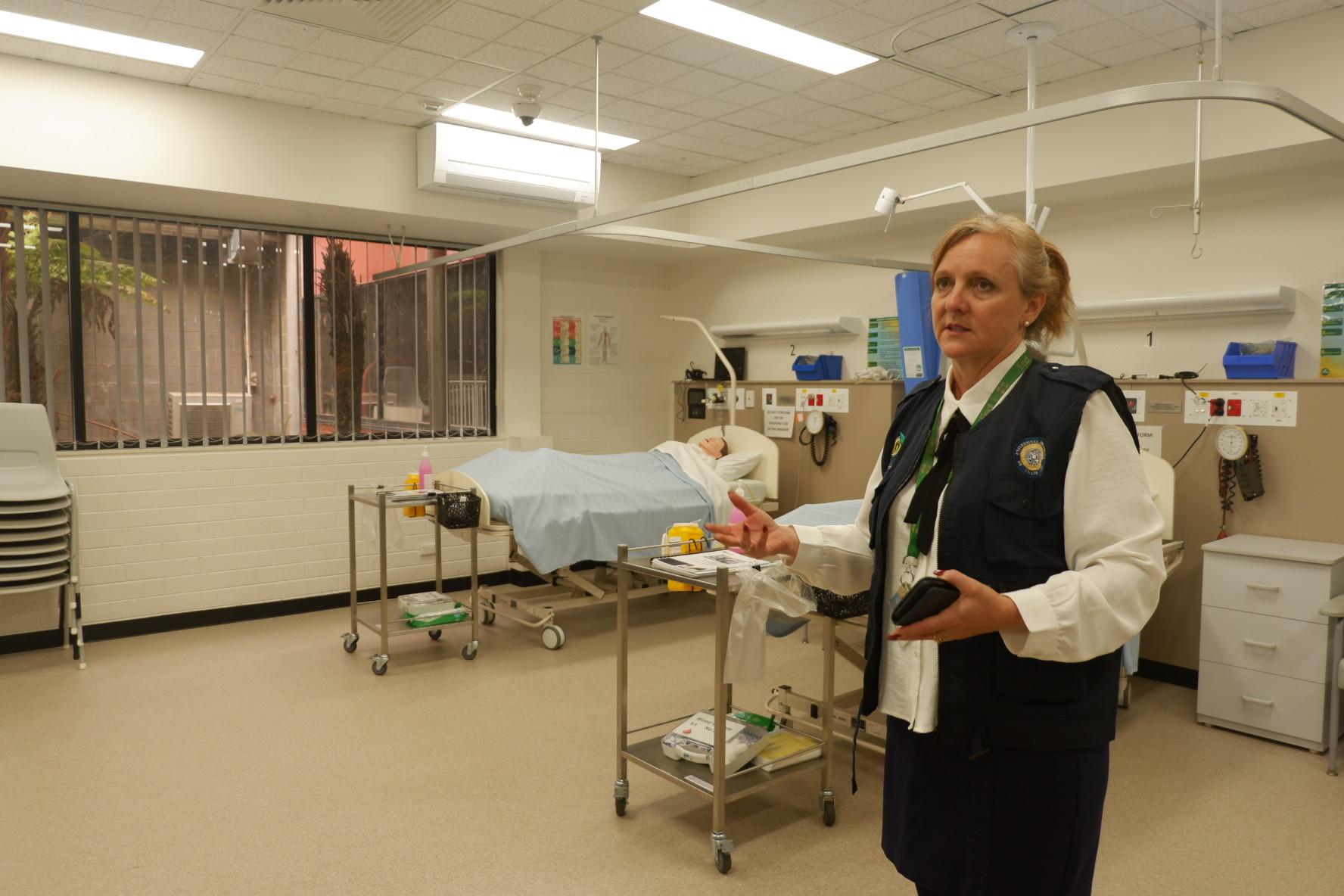
And lastly, the participants visited Telehealth and Physiotherapy Facilities. This activity was held on February 4th at Federation University Gippsland. The participants were introduced to the Federation Physiotherapy Virtual Care Clinic, which focuses on telehealth services and physiotherapy facilities. Furthermore, at that time, participants also visited the physiotherapy facilities in Federation University. The three mentioned activities that were part of the program provided the students with a better understanding of how telehealth improves healthcare accessibility and explores advancements in physiotherapy facilities. The highlight of the program, focusing on health, also provided the point of advocating for technological advancements in healthcare and improving access to medical services.
BBK International at Federation University not only enriched the students’ knowledge but also addressed the healthcare accessibility and public health awareness that are aligned with SDG 3. Furthermore, it also addressed the importance of higher education to the participants, this point is also aligned with SDG 4. Based on this, it is hoped that the knowledge and experience gained during these activities could be applied in Indonesia, supporting the development of better healthcare services in the future.
0 Comments