
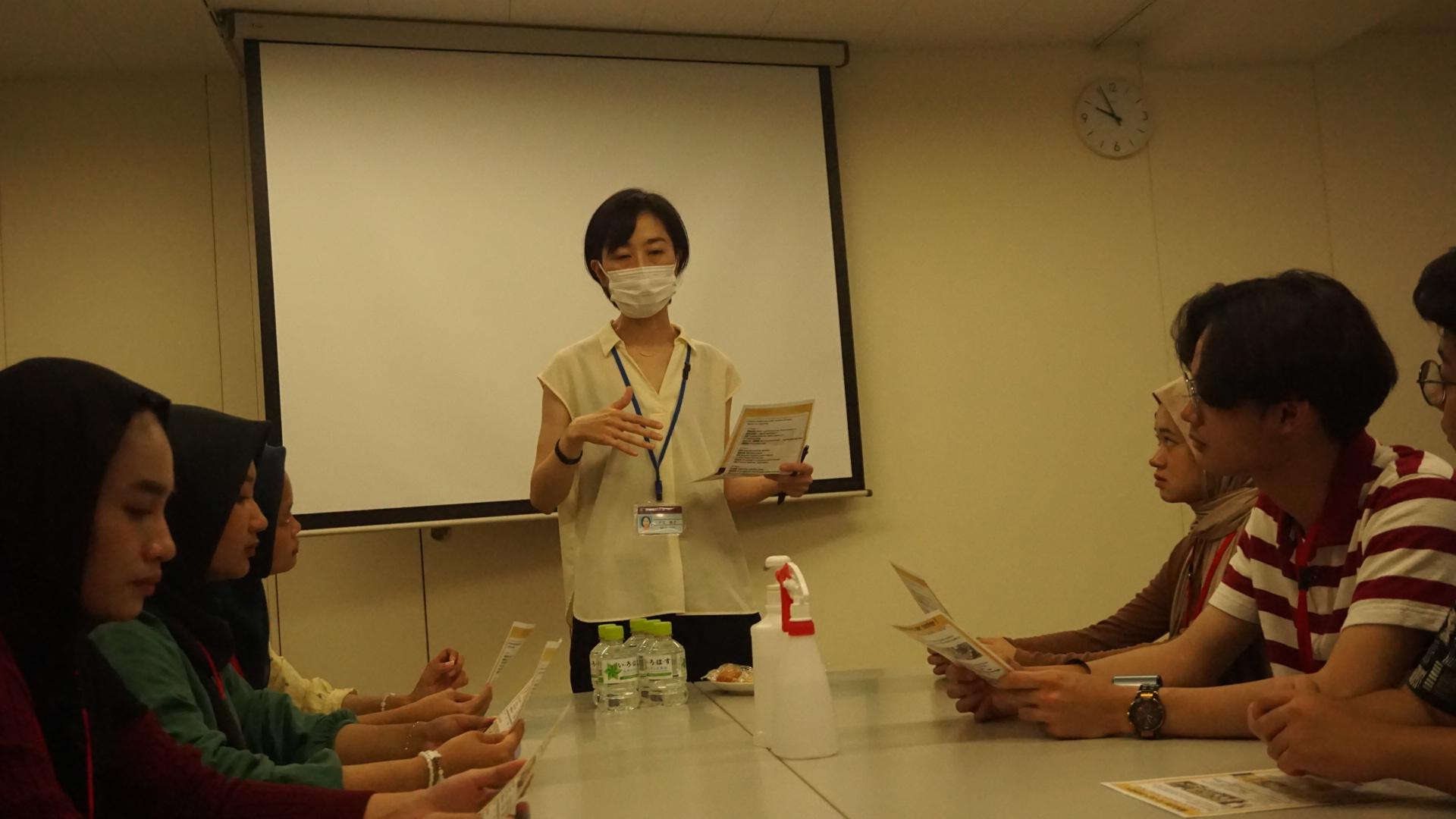
In seeking continuous improvement, sharing knowledge is crucial to attain new development and open opportunities for broader perspectives, especially for students. In the BBK International 2024 with Tokyo University of Pharmacy and Life Sciences (TUPLS), students are allowed to engage in a series of real-time learning and practical experiences, which students can then obtain valuable insights and skills to implement in improving the well-being of communities.
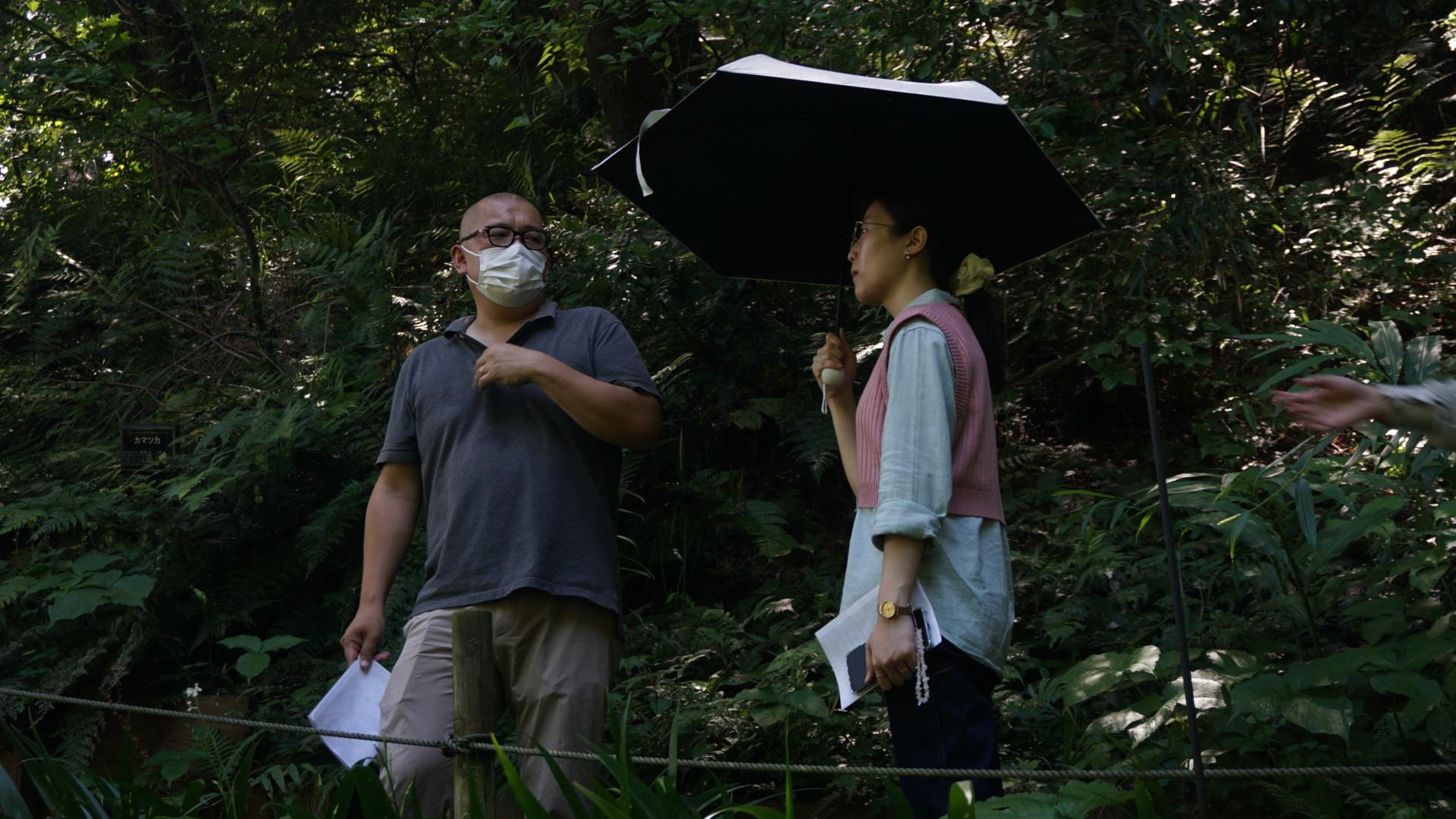
During the event, students actively participated in a biodiversity exploration in the TUPLS medicinal plant garden, laboratory activities, and lecture sessions. These activities, designed to deepen their understanding of the pharmacy field using advanced technologies, underscore the importance of quality education in promoting lifelong learning and achieving excellent research development, especially in Japan. This agenda aligns with the UN’s Sustainable Development Goals (SDGs) Quality Education (SDG 4).
In another exciting session, students were introduced to microbial fuel cells (MFCs), a device that exploits microbes to generate electricity from organic substrates such as waste biomass and wastewater pollutants. Professor Yoshikazu Ishii brought the session to address current global issues related to sustainable and renewable energy by researching different soil types that could produce or contain the best microbe to generate electricity. He believes that MFCs can be utilized as an environmentally friendly electricity generator. The session encourages students to develop a strong involvement in creating a remarkable solution for ongoing energy use.
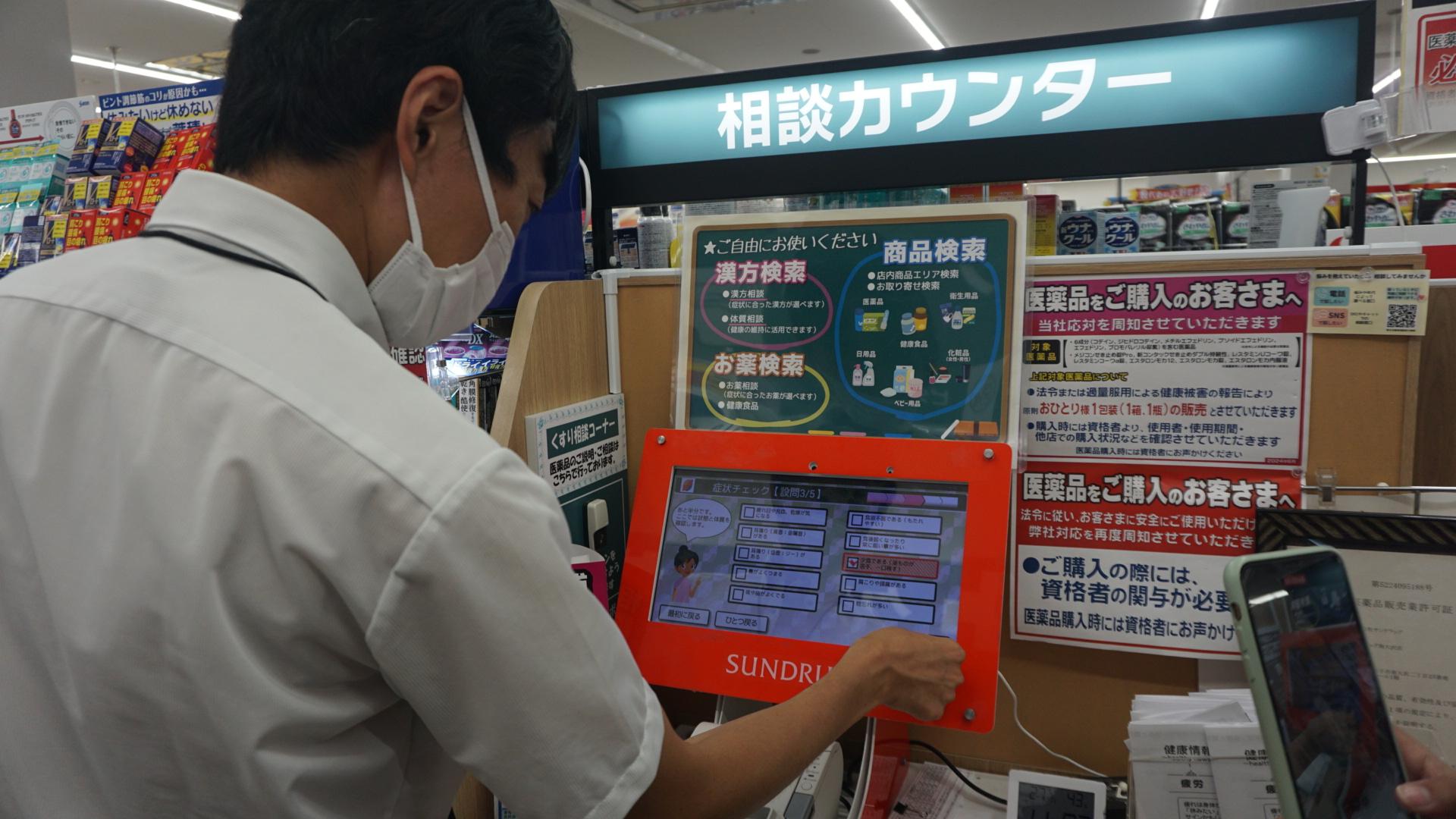
To engage with real-world situations, students then went on a company visit to Sun Drug, Japan’s famous drugstore. Students received insights regarding product classifications, which are based on the four seasons of Japan. They also learned how to implement technology in a self-consultation machine, where patients who experience minor symptoms can receive recommendations for medications, foods, and drinks to get better. On another visit to the Hachioji Pharmaceutical Center, advanced technology is used to compound patients’ medicine to prevent human error. Each medicine and compound are coded, and the system reacts if the pharmacist uses the wrong medication or compound. These visits bring valuable insights to students as they understand the importance of developing technologies to ensure accurate and consistent medicines for the community’s well-being.
Throughout the program, students engage in the transfer of knowledge and broaden their understanding of Japan’s modernization in the pharmaceutical industry. The activities support several goals of the UN’s Sustainable Development Goals (SDGs), such as Good Health and Wellbeing (SDG 3) and Industry, Innovation and Infrastructure (SDG 9). With student’s active participation in learning, they created a sustainable and healthy future for the generations to come.
0 Comments