
Building on the environmental sustainability initiatives undertaken during their community service in Terengganu, Universitas Airlangga students also made a profound impact through their community engagement programs. While their conservation efforts focused on preserving biodiversity and promoting sustainable practices, their work with local communities was centered on fostering social and economic development. Through various initiatives, the students collaborated closely with residents, addressing critical community needs, empowering individuals, and building solid and lasting partnerships that benefitted both the environment and the people.
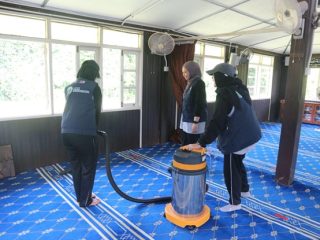
One of the critical activities was Gotong Royong, a collaborative effort that engaged the local community in maintaining the mosque. This initiative encouraged greater community involvement in preserving the mosque and ensured its continuity as an essential cultural and historical landmark. Participating in this shared responsibility, the community developed a stronger sense of ownership and pride in their heritage.
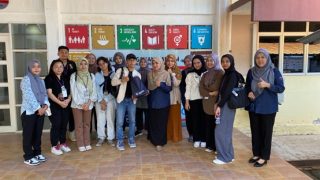
The students also worked with the Semak Beri community, focusing on two critical issues: sanitation and the lack of identification documents, which limited access to essential services. Addressing these concerns had a transformative effect, improving the overall quality of life for the community. By helping residents gain access to proper sanitation and necessary identification, the students played a key role in enhancing health and social services while also preserving the cultural practices unique to the Semak Beri people.
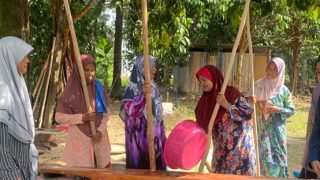
In addition to these efforts, the students visited the Eastvege Enterprise, a local business in Terengganu known for selling traditional products like sambal ikan bilis, pickles, and other regional delicacies. This visit gave the students valuable insights into community-based entrepreneurship, including product development, marketing strategies, and the importance of community engagement in fostering regional economic growth. The experience highlighted local businesses’ vital role in sustaining the economy and preserving cultural traditions.
These community engagement activities not only enriched the students’ understanding of social issues but also directly supported several United Nations Sustainable Development Goals (SDGs), such as Decent Work and Economic Growth (SDG 8), Quality Education (SDG 4), Clean Water and Sanitation (SDG 6), and Sustainable Cities and Communities (SDG 11). Through their active participation, the students created a more inclusive, healthy, and sustainable future for the communities they served.
0 Comments